
Last updated November 15, 2026
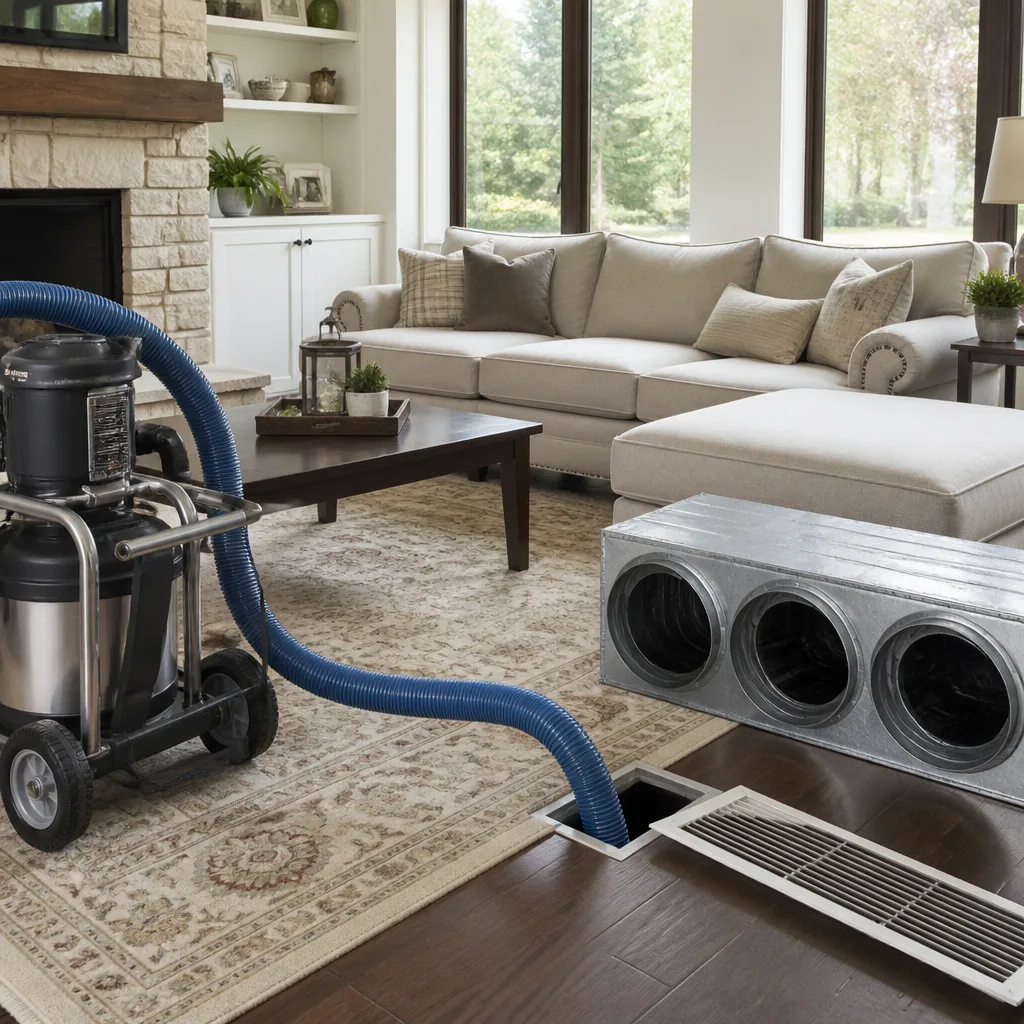 Whole-home duct cleaning
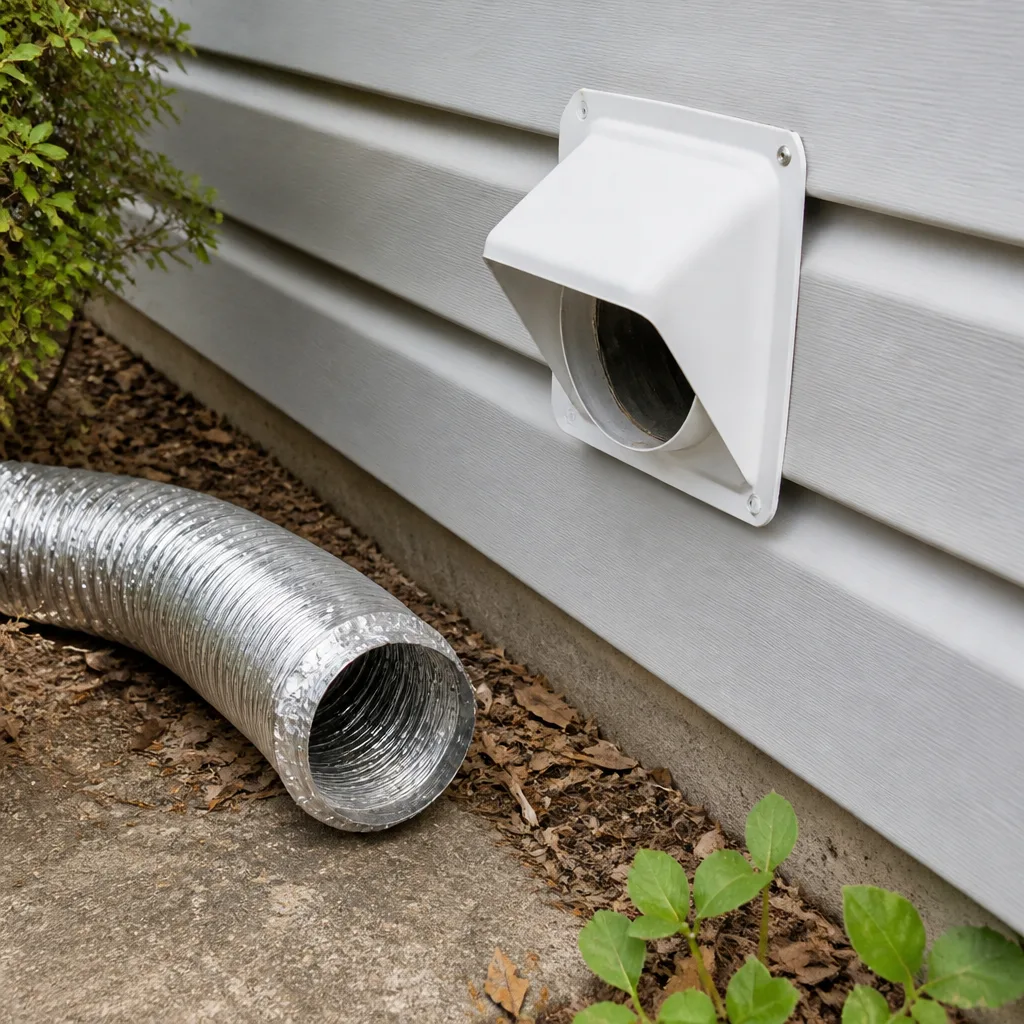 Dryer vent cleaning
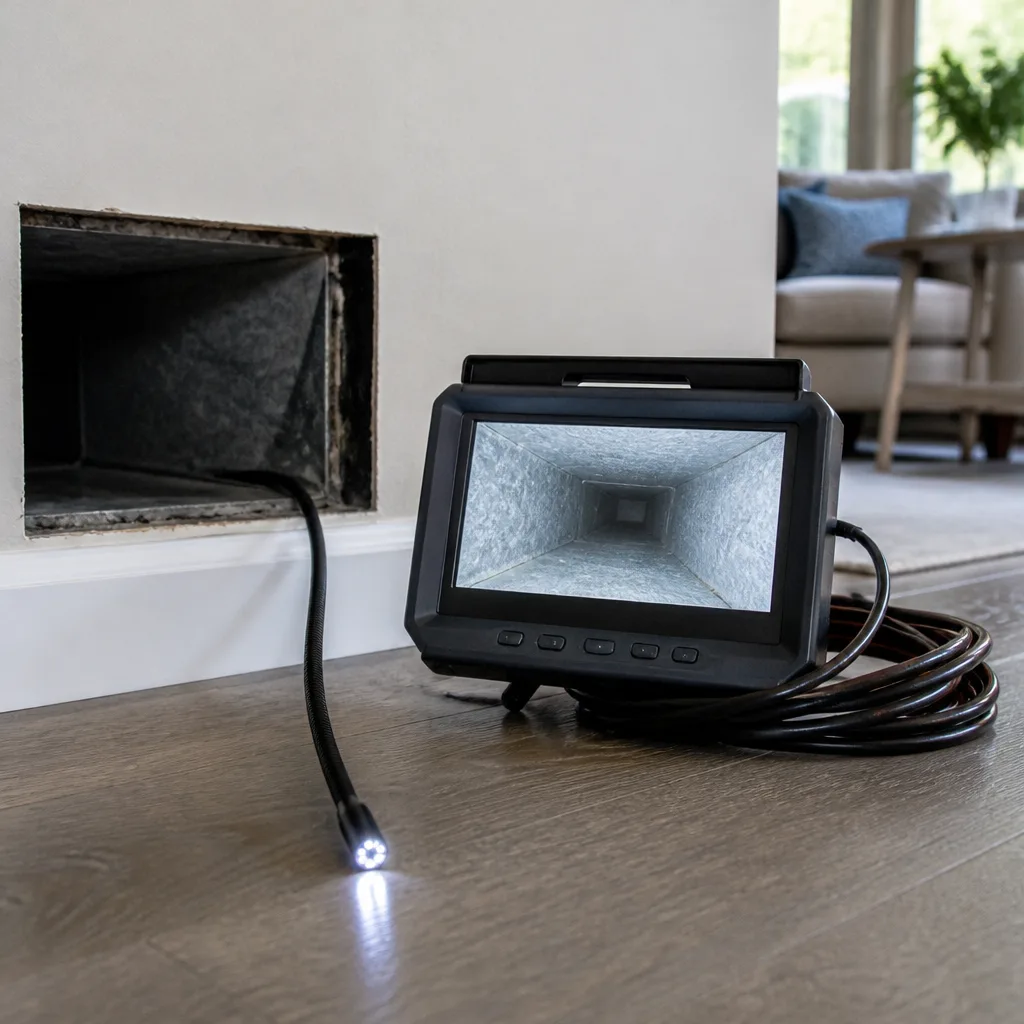 Camera inspection
 Sanitizing & deodorizing
Whole-system duct and dryer vent check with before-and-after photos - you see exactly what came out of your vents
That "$99 whole-house special" is a bait ad - the real number appears once they are in your hallway, or the "clean" is a shop-vac at the register. We photograph the inside of your ducts before and after instead.
Air Duct Cleaning Maintenance Checklist for Columbia Homeowners
The advice you’ll find on most national home-maintenance sites says to clean your ducts every three to five years. That number was built for a northern climate with a long heating season, a short cooling season, and a hard freeze that knocks pollen and dust out of the air for months. Columbia doesn’t work that way. Here, pine pollen coats every surface in March, humidity climbs through July, and the HVAC system runs hard for most of the year. That compresses the timeline in ways a generic checklist never accounts for. This guide gives you a monitoring protocol built around what you can actually observe in a Columbia home, so you catch contamination before it turns into a full service call.
Quick Answer
Air duct maintenance in Columbia works best as a monthly and seasonal monitoring routine rather than a fixed cleaning schedule. Check your filter, supply registers, and return grilles on a set cadence, log your HVAC runtime and filter-change dates, and schedule professional cleaning when you see specific warning signs like visible debris at the registers, a musty smell that returns, or rising energy use with no other explanation. Our technicians have up to 11 years of experience reading those signals in Columbia homes.
Styles & brands we work with
- Whole-home duct cleaning
- Dryer vent cleaning
- Camera inspection
- Sanitizing & deodorizing
Table of Contents
- Why a Columbia duct checklist is different from a national one
- Month-by-month Columbia checklist
- How to inspect a filter beyond “looks dirty”
- Visual checks you can safely do yourself
- Logging runtime and filter dates as baseline data
- Warning signs that mean schedule service now
- What requires professional scoping
- Cleaning versus repair: knowing which you need
Why a Columbia Duct Checklist Is Different From a National One
Columbia sits in a climate zone where the HVAC system rarely gets a real break. Heating season is short and mild, cooling season is long and humid, and the shoulder months still see the system cycling to manage humidity. That year-round runtime is the core reason a national cleaning interval doesn’t map cleanly onto a Columbia home. More runtime means more air moving through the same ductwork, more dust pulled in through the return, and more opportunity for the interior surfaces of the ducts to accumulate a film.
Pollen is the second factor. The Southeast pine pollen season is intense and short, usually peaking in March. During that window, open windows and normal infiltration bring a heavy load of fine pollen into the return air. Filters catch most of it, but lightly sealed return plenums and older flex duct joints let some of it settle inside the system. Humidity is the third factor. Peak summer humidity in Columbia means condensation can form on cool duct surfaces in unconditioned spaces like attics and crawlspaces. Damp duct interiors are where musty odors and biological growth begin, which is a different problem from simple dust buildup.
Put those three together and the logic of a monitoring protocol becomes clear. You’re not counting years. You’re watching for the conditions that accelerate contamination, so you can intervene at the right moment instead of guessing. Our role as a Hartwell Air Duct Cleaning team is to give you the observation points and the intervention thresholds.
Month-by-Month Columbia Checklist
This is the working checklist. Each item is tied to an actual seasonal event in Columbia, not an arbitrary calendar slot. You can run this in a few minutes a month.
- January: Inspect the filter for winter dust load. With heating running, check supply registers for any visible dust streaks. Log furnace filter change date.
- February: Before pollen arrives, walk every return grille and note any that look gray or filmed. Clean or vacuum the grille face. Confirm all return grilles are unobstructed by furniture.
- March: Pine pollen peak. Increase filter checks to every two to three weeks. Watch for yellow-green film on return grille faces. This is the month most Columbia homes load their filters fastest.
- April: Check supply registers for pollen dust fallout. Confirm no registers are blocked by rugs or furniture. Note any change in airflow strength at vents.
- May: Pre-humidity-season check. Look for any condensation or dampness on flex duct visible in the attic or crawlspace. Inspect the return plenum for loose joints.
- June: Peak cooling begins. Check filter monthly. Watch for musty odor at supply registers, which is often an early humidity-related signal.
- July: Peak humidity month. Watch for condensation around duct boots at the ceiling. Note any increased dust visible on horizontal surfaces near supply registers.
- August: Second filter check. Confirm cooling airflow at each register is still strong. Note any room that feels noticeably weaker than others.
- September: Pollen and dust from late summer. Check for musty smell that persists after cleaning grilles.
- October: Pre-heating-season check. Inspect filter, clean grille faces, confirm no debris at return plenums.
- November: Heating switchover. Log the filter change and watch for a burning or dusty smell on first heat-up (usually normal for a day or two, then should clear).
- December: Final inspection of the year. Review your log to see whether filter-change intervals got shorter. Shorter intervals are a sign contamination may be building in the system itself.
That checklist is designed for a typical Columbia home. If you have pets, allergy sufferers in the house, or a system that runs year-round with a dehumidifier, tighten the filter check to every two weeks for the whole year. Our team can walk you through a customized version of this for your specific system type.
How to Inspect a Filter Beyond “Looks Dirty”
A filter that looks clean can still be restricting airflow, and a filter that looks gray can still be doing its job. The “looks dirty” test is unreliable. What matters more is how the filter is performing as part of the whole system. That’s why professionals use pressure drop as an indicator, not visual inspection alone. You can approximate the same judgment with a few observations:
- Airflow feel. Hold your hand a few inches from a supply register while the fan is running. Compare across rooms. If one register feels noticeably weaker than the others, the filter might be loaded, a duct might be restricted, or a damper might be partly closed.
- Filter loading pattern. A filter that loads uniformly across its whole face is normal. A filter that loads only on one corner, or in a heavy streak, suggests uneven airflow reaching it, which often points to a return-side problem.
- Filter change frequency drift. If you used to change the filter every 90 days and now you need to change it every 45, the system is pulling more particulate. That drift is one of the most useful signals you can track.
- Static pressure signs. If your blower sounds louder than it used to, or runs longer to hit the same thermostat setpoint, the system may be working against a restriction. Don’t adjust anything inside the equipment yourself; note it in your log and mention it to your HVAC technician.
Also confirm the filter is the right MERV rating for the system. A filter rated higher than the blower was designed for can restrict airflow even when it’s brand new. In Columbia’s pollen season, the temptation to install a very high-rated filter is strong, but a compatible filter replaced more frequently typically serves the system better than a restrictive one replaced less often. We work with Honeywell and Aprilaire filtration as part of the HVAC air-quality chain, and the goal is always to support the system, not overload it.
Visual Checks You Can Safely Do Yourself
The most useful thing a homeowner can do is distinguish between what’s safe to inspect and what requires professional scoping. Here is that line, written plainly.
Safe to check yourself:
- Supply registers (the vents heated or cooled air comes out of). Remove the grille or look through the slats. Note visible dust, dark streaks, or debris.
- Return grilles (the larger vents that pull air back to the system). Look at the grille face and, if easily accessible, the visible ducting just behind it.
- Filter condition. Use the pressure-drop signs above, not just color.
- The visible ductwork in an unconditioned attic or crawlspace if your home has exposed flex or rigid duct segments. Note any obvious tears, separated joints, or sagging.
Requires professional scoping:
- Inside the duct runs themselves. Contamination on the interior walls of long duct sections is not something a flashlight at a register can reveal.
- Inside the air handler or plenum. This is the equipment side of the system.
- Behind walls or above ceilings. Do not open wall cavities or ceiling panels to inspect ductwork.
- Any area that requires disconnecting or partially disassembling duct runs to access.
We use Rotobrush contact-cleaning systems and Nikro negative-pressure equipment to inspect and clean the interiors properly. Negative pressure means we hold contamination inside the system under suction while working, and contact cleaning means the surfaces are actually cleaned rather than just blown through. If you don’t yet have a professional relationship set up, start by reviewing air duct cleaning so you know what to expect when you schedule.
Logging Runtime and Filter Dates as Baseline Data
This is the part of the checklist most homeowners skip, and it’s the part that makes the rest useful. A log gives your technician a way to tell whether contamination is accelerating, or whether the system is behaving normally for its age and location. Without a baseline, every observation is a guess.
Here’s a simple log you can keep in a notebook or a phone note:
- Filter change date and filter type. Record the date, the MERV rating, and which filter.
- Filter loading appearance at change. One word (“uniform,” “streaked,” “heavy”) is enough.
- Thermostat runtime observation. Once a month, note whether the system is running noticeably longer than usual to reach the same temperature. “Seems normal” counts as data.
- Visible register observations. Any register that showed dust streaks or debris.
- Odor notes. Any musty, dusty, or unfamiliar smell, and where it appeared.
- Seasonal events. Mark when pollen peaked, when heating switched over, when humidity felt highest. These are the reference points for comparison year to year.
When a technician visits, that log tells them a great deal before they open a single access panel. If you’ve noted that filter-change frequency is drifting shorter and a musty smell appeared last July, those two data points together suggest interior contamination that wasn’t there a year ago. If everything in the log looks stable, you can reasonably wait longer between cleanings. The log is your evidence.
Warning Signs That Mean Schedule Service Now
A monitoring protocol is only useful if you know when to act. Here are the thresholds that move an item from “monitor” to “schedule service.” These are specific enough to act on.
- Debris visible at multiple supply registers. Not a light dusting, but visible material that accumulates again within days of wiping the grille.
- Persistent musty odor at supply registers that does not go away after cleaning the grilles and changing the filter. That combination usually points to contamination inside the ducts or moisture in the system.
- Filter change frequency has clearly shortened (for example, from 90 days to 45) with no other change in the household, pets, or outdoor activity.
- Uneven airflow across the house that wasn’t there before, or a room that has become noticeably weaker than the rest, with no HVAC repair recently performed.
- Visible torn, disconnected, or sagging ductwork in an attic or crawlspace. Disconnected ducts pull attic air and insulation particles into the system. This is an air duct cleaning plus repair job, not just a cleaning.
- Recent renovation, rodent activity, or water intrusion anywhere near the duct system. Construction dust and debris are a known trigger for interior contamination.
- Noticeable increase in allergy or respiratory symptoms indoors, especially if they improve when you’re away from home. We don’t diagnose health conditions, but repeated symptom patterns are worth a professional look at the duct system.
One thing that should not panic you: light dust at the register face, or a filter that looks gray. Those are expected. The thresholds above are about repetition and change, not a single observation. If you’re unsure where you land, our team offers free estimates.
What Requires Professional Scoping
Professional scoping means inspecting the interior of your ductwork with purpose-built equipment. That’s different from what a homeowner can see with a flashlight through a register. Here’s why it matters.
The interior of ductwork is where the real information lives. Long horizontal runs, the plenum above the air handler, and the inside of return trunk lines are all places a register view won’t reach. A scoping pass lets a technician see whether the interior surfaces are lightly filmed or heavily coated, whether there’s any moisture or biological growth, and whether the system has structural issues like separated joints or torn flex duct. All of that informs whether you need cleaning, repair, or both.
We approach it as source removal, not surface cleaning. That means the goal is to remove the contamination where it originated, using negative pressure to contain it and contact cleaning to dislodge it from the duct surfaces. Our Abatement Technologies and Guardsman filtration products are part of that same source-removal methodology. The alternative, a light vacuum at the registers and a wipe of the grille face, doesn’t touch the actual problem. That’s the difference between professional-grade equipment and a shop-vac and a coupon.
For Columbia homes specifically, professional scoping is worth scheduling if any of the warning signs above have shown up, or if you can’t recall the ductwork has ever been scoped. Many homes in the older neighborhoods around the city have original ductwork that has never been inspected. In newer construction, poorly sealed return plenums are common. Either way, a single scoping pass gives you a baseline for the rest of your checklist.
Cleaning Versus Repair: Knowing Which You Need
Here’s a distinction most cleaning-only companies don’t like to make: dirty ducts and damaged ducts are two different problems, and one doesn’t fix the other. Dirty ducts need cleaning. Damaged ducts need repair. Plenty of systems in Columbia need both, and a cleaning crew that only cleans will leave the damaged sections behind.
Signs you need cleaning: visible debris at registers, musty odor, filter-change drift, or a scoping pass that shows contamination on the duct interior walls. Cleaning restores the duct interior to a clean state.
Signs you need repair: visible tears or tears discovered during cleaning, disconnected runs, sagging flex duct, poorly sealed plenum joints, or evidence of rodent or water damage. Repair restores the duct system’s structural integrity so it can actually deliver air where it’s supposed to go.
We clean it and we fix it. That matters because a cleaning pass on torn or disconnected ductwork leaves the problem partly unsolved. The ducts may be cleaner, but they’ll still leak, pull attic air, and lose energy efficiency. And when a cleaning crew finds a problem they can’t fix, you’re stuck coordinating a second contractor. Air duct repair is one of our three core services, which means you don’t have that second step. One call covers it. Our technicians have up to 11 years of experience diagnosing both sides of that question, and we’re honest about which your system actually needs.
Common Mistakes to Avoid
- Treating the 3 – 5 year rule as a hard schedule. Columbia’s pollen and humidity compress that timeline for many homes. Watch your signals, not the calendar.
- Judging filter condition by color alone. A visually clean filter can still be restricting airflow. Use the pressure-drop signs and observe the drift in change frequency.
- Skipping the log. Without a baseline, you can’t tell whether contamination is accelerating. Even a notebook with filter dates and rough observations is enough.
- Hiring a coupon-price cleaning crew and calling it done. Deeply discounted duct cleaning often amounts to a vacuum at the registers and a wiped grille face. It doesn’t reach the interior of the system, and it clearly won’t catch damaged ductwork.
- Assuming damaged ductwork will show up visually. Torn flex duct and disconnected runs are often invisible from a register. Scoping is the only reliable way to find them.
- Ignoring the dryer vent as part of the same system. The dryer vent is part of your home’s exhaust pathway and is worth its own monitoring. Treat dryer vent cleaning as a standalone service, not an accessory.
- Over-buying filter MERV rating. In Columbia’s pollen season, homeowners often jump to the highest MERV filter available. A filter that restricts airflow more than the blower can handle is worse for the system than a compatible one changed more frequently.
- Only addressing the ducts without addressing the air-quality equipment. If you have a Honeywell or Aprilaire in-line filter or humidifier, keep it serviced. The ducts function properly when the systems they connect to are cared for.
See the difference
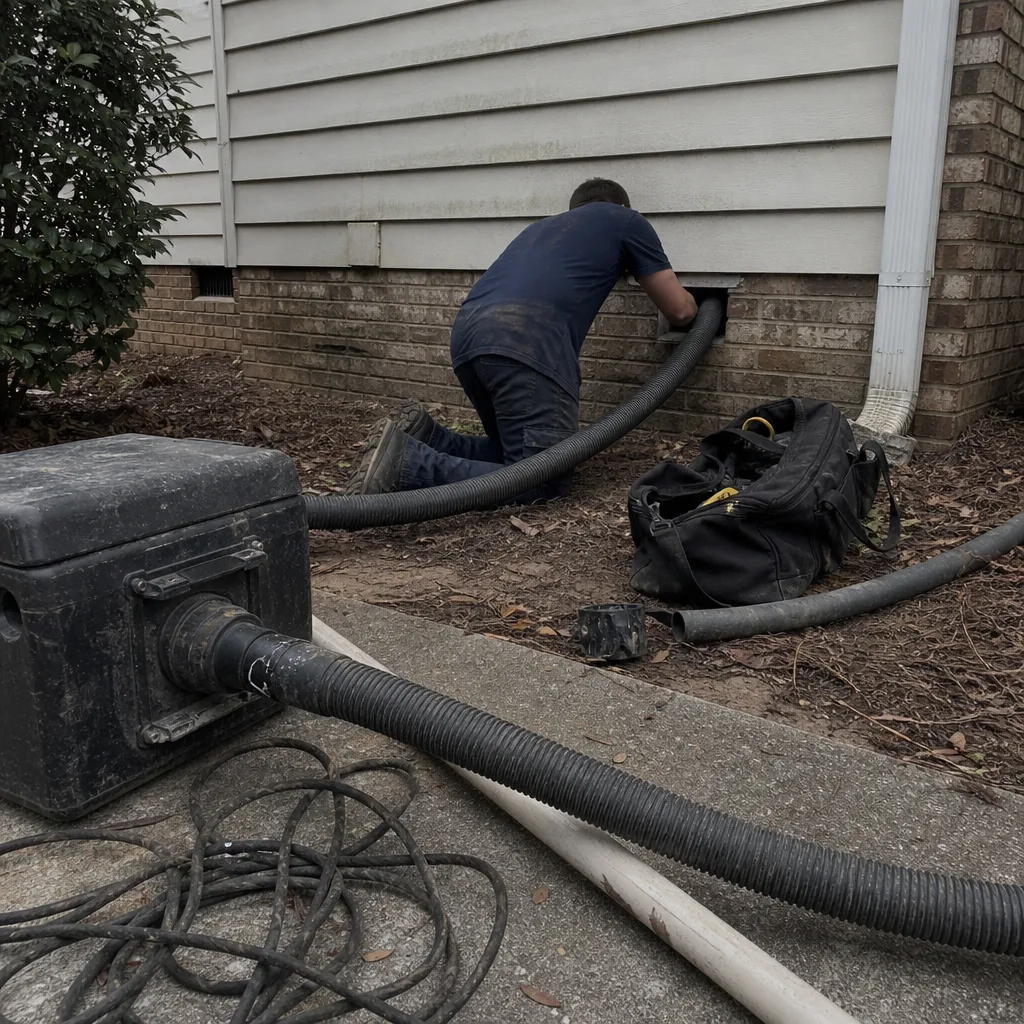 Before
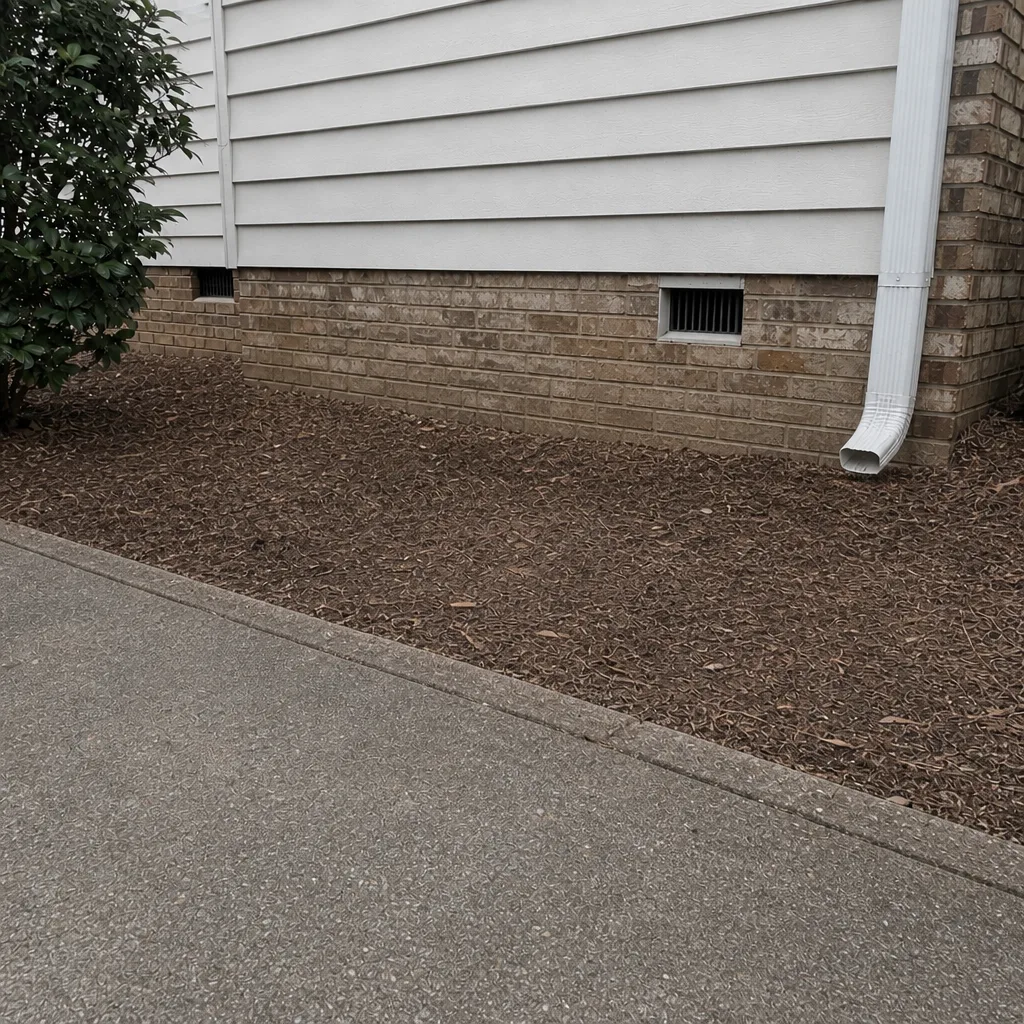 After
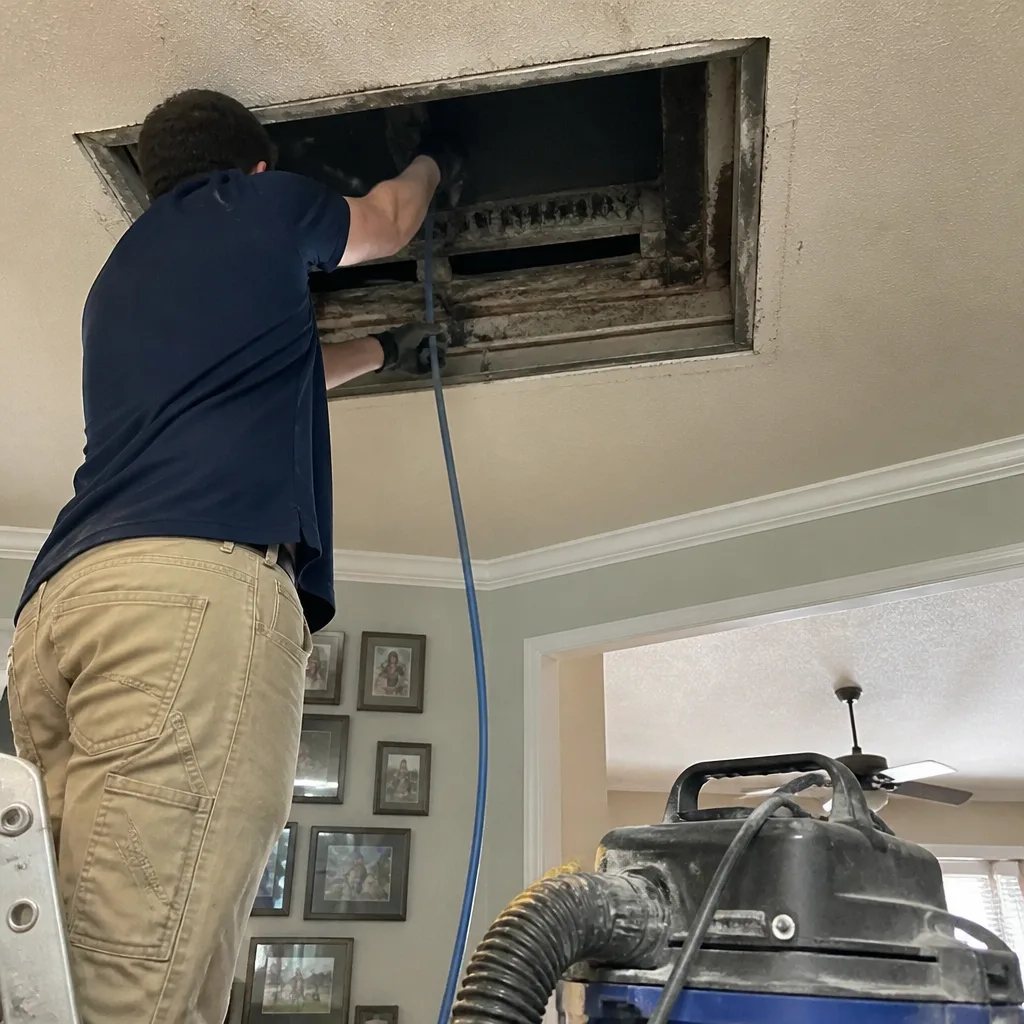 Before
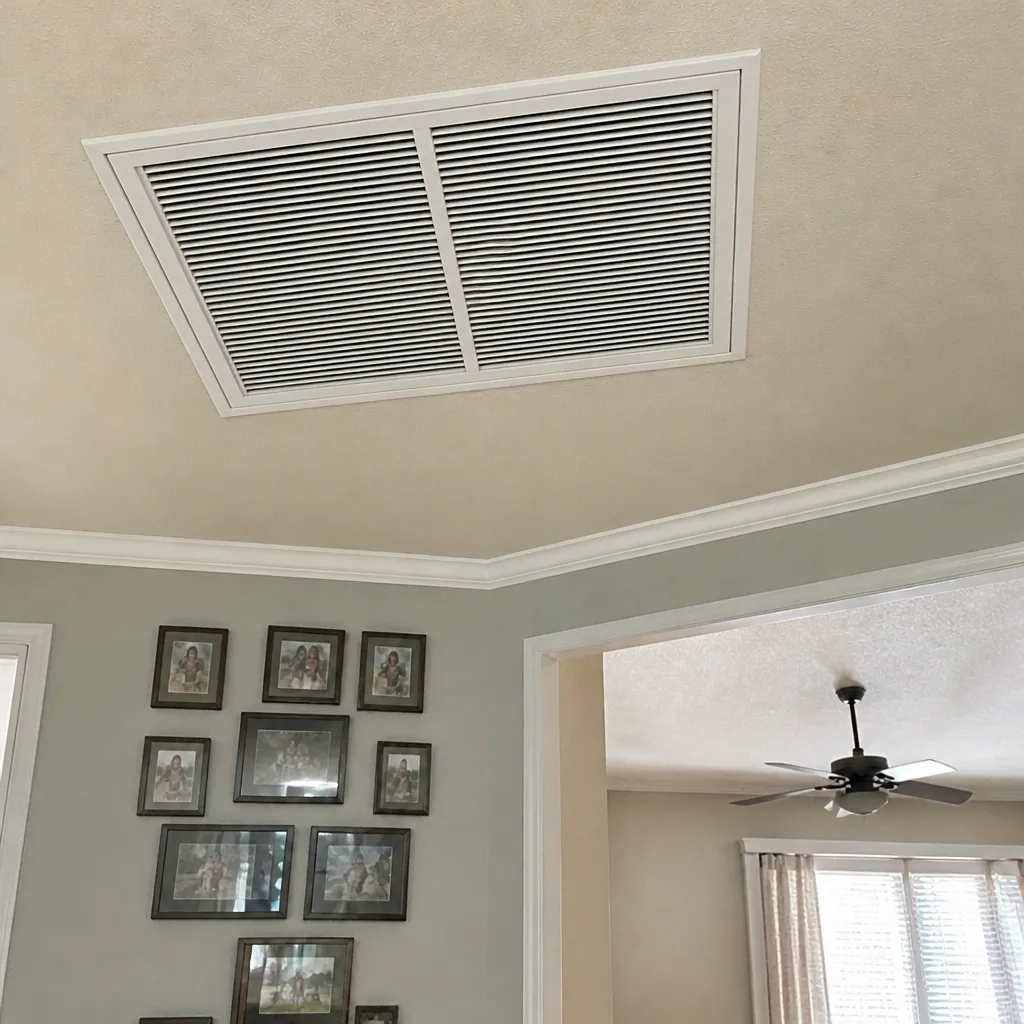 After
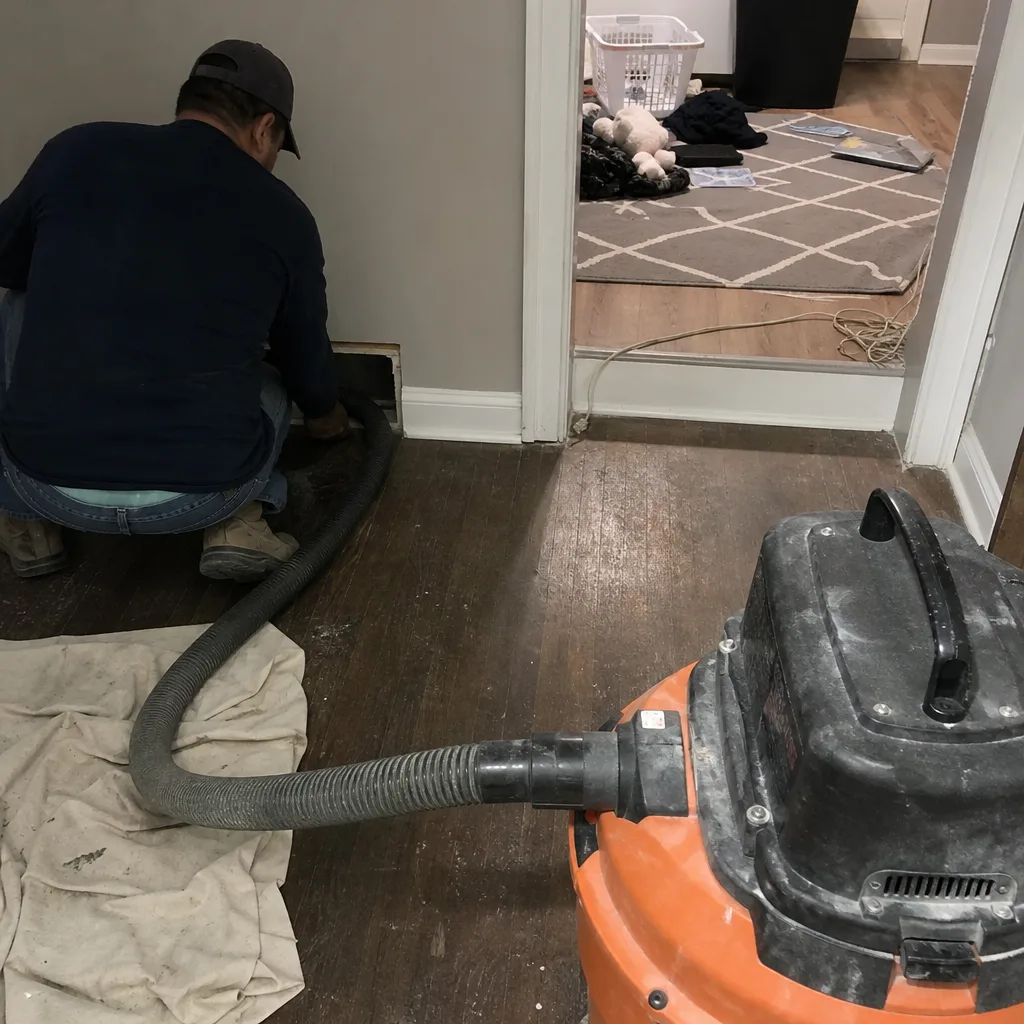 Before
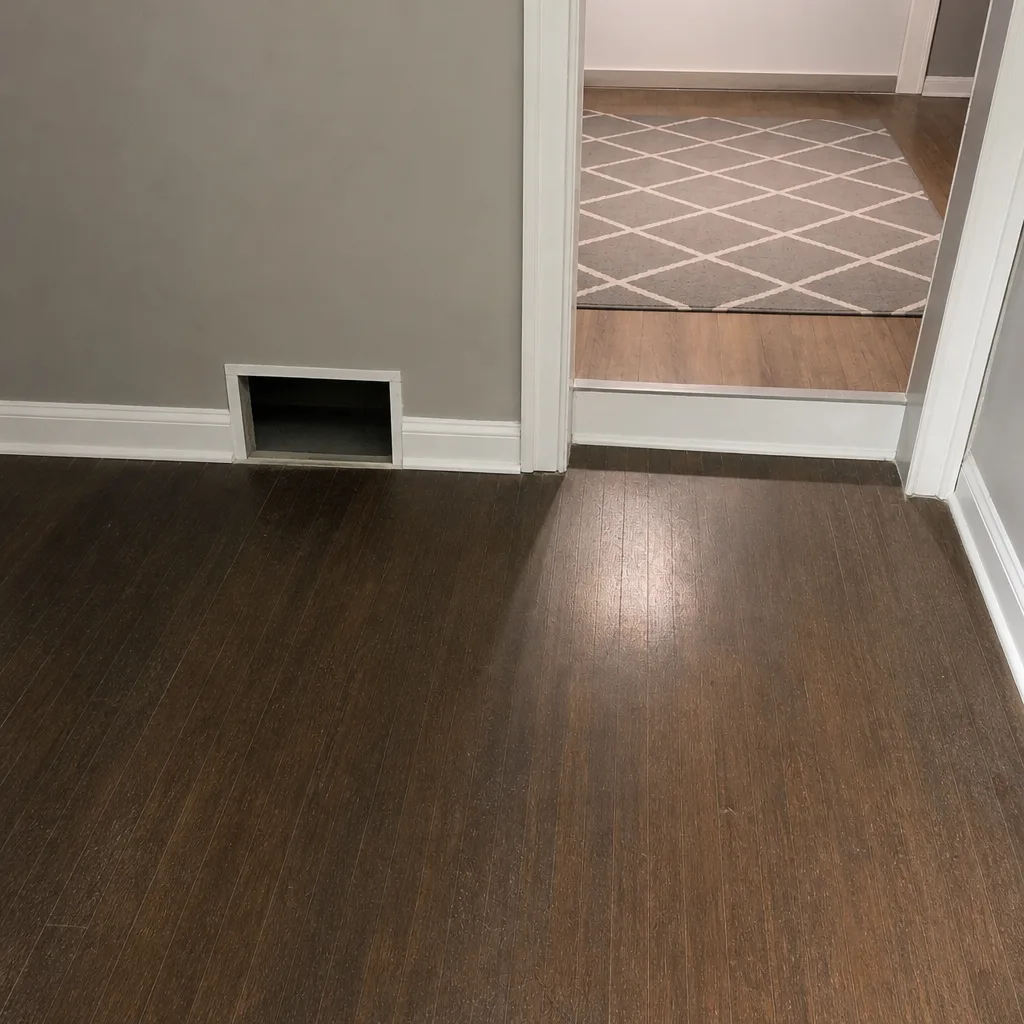 After
When to Call a Professional
Call a professional when you see any of the warning signs above, when you can’t recall the last time the ductwork was scoped, or when you’re planning a renovation that will generate heavy dust. Call us sooner if you notice a persistent musty odor that returns after you clean grilles and change the filter, if you discover disconnected or torn ductwork yourself, or if you’re seeing shorter filter-change intervals year over year. A scoping visit gives you a baseline you can’t get any other way. Hartwell Air Duct Cleaning offers free estimates in Columbia. Call (866) 942-9804. We answer 24/7, with fast dispatch from 7am to 7pm, Sunday through Friday.
Frequently Asked Questions
There’s no fixed number of years that fits every Columbia home. The national 3 – 5 year rule was built for northern climates with short cooling seasons, and Columbia’s year-round HVAC runtime, March pine pollen, and July humidity accelerate the timeline in many homes. We recommend monitoring your filter, registers, and airflow using the checklist above and scheduling service when specific warning signs appear rather than waiting for a calendar date.
Not automatically. A clean-looking filter doesn’t mean the ductwork is clean, because the filter sits in front of the ducts and catches only what reaches it. Debris that settles inside the duct system, particularly at joints or in the return plenum, can build up regardless of what the filter shows. Use the register and airflow checks in this guide as a separate signal.
Cleaning removes contamination from inside the ducts. Repair fixes structural problems like torn flex duct, disconnected runs, sagging sections, or poorly sealed plenum joints. Many Columbia homes need both, and a cleaning-only service can leave damage behind. Our three core services cover cleaning, repair, and dryer vent cleaning, so you don’t need to call multiple contractors.
Ask for before-and-after documentation. A professional cleaning should include photos or video inside the ductwork from before and after, taken with proper equipment, not just a photo of a register grille. If a company can’t or won’t provide that, that’s a signal. We use Rotobrush contact-cleaning systems and Nikro negative-pressure equipment so the work can be documented properly.
Not always, but it’s the single best time to inspect. After pine pollen peaks in March, check your return grille faces and supply registers for visible film or debris. If the grilles stay dirty within days of cleaning, or if your filter change frequency shortened noticeably, that’s the signal to schedule a professional scoping and possible cleaning. If the system looks stable, you can reasonably wait.
Treat dryer vent cleaning as a separate item on your annual checklist. Dryer vent cleaning is a fire-risk and efficiency service, not an HVAC duct function, and it deserves its own inspection cadence. We offer it as a standalone service, which lets you schedule it independently of the ductwork cleaning. Add it to the same log you’re keeping for the main duct system and check it at least once a year.
The Bottom Line
A Columbia duct maintenance checklist works best as a monitoring protocol, not a cleaning schedule. Watch your filter-change frequency, log your observations, check your supply registers and return grilles throughout the year, and tie your checks to Columbia’s actual seasonal events: March pine pollen, July humidity, and the November heating switchover. Schedule professional scoping when the warning signs appear, not on a fixed multi-year timer. And when you do schedule, use a company that cleans and repairs with equipment that actually reaches the interior of the system. Keep the log. It’s the most underrated piece of home maintenance you can do.
Call (866) 942-9804 for a free estimate. We answer 24/7. Fast dispatch from 7am to 7pm, Sunday through Friday. Estimates are free, and the price is set per job by the written estimate so you know the scope and cost before work starts.
Written by the team at Hartwell Air Duct Cleaning.