
Last updated November 15, 2026
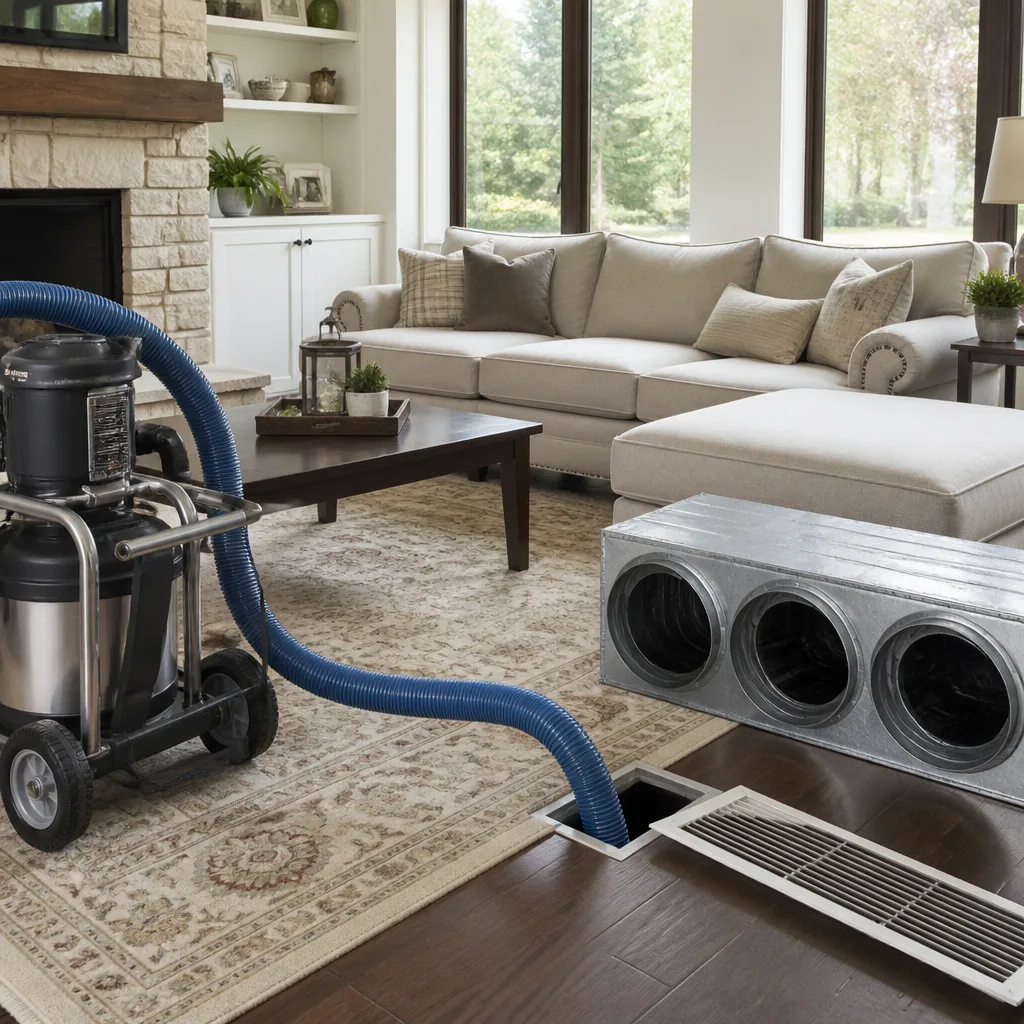 Whole-home duct cleaning
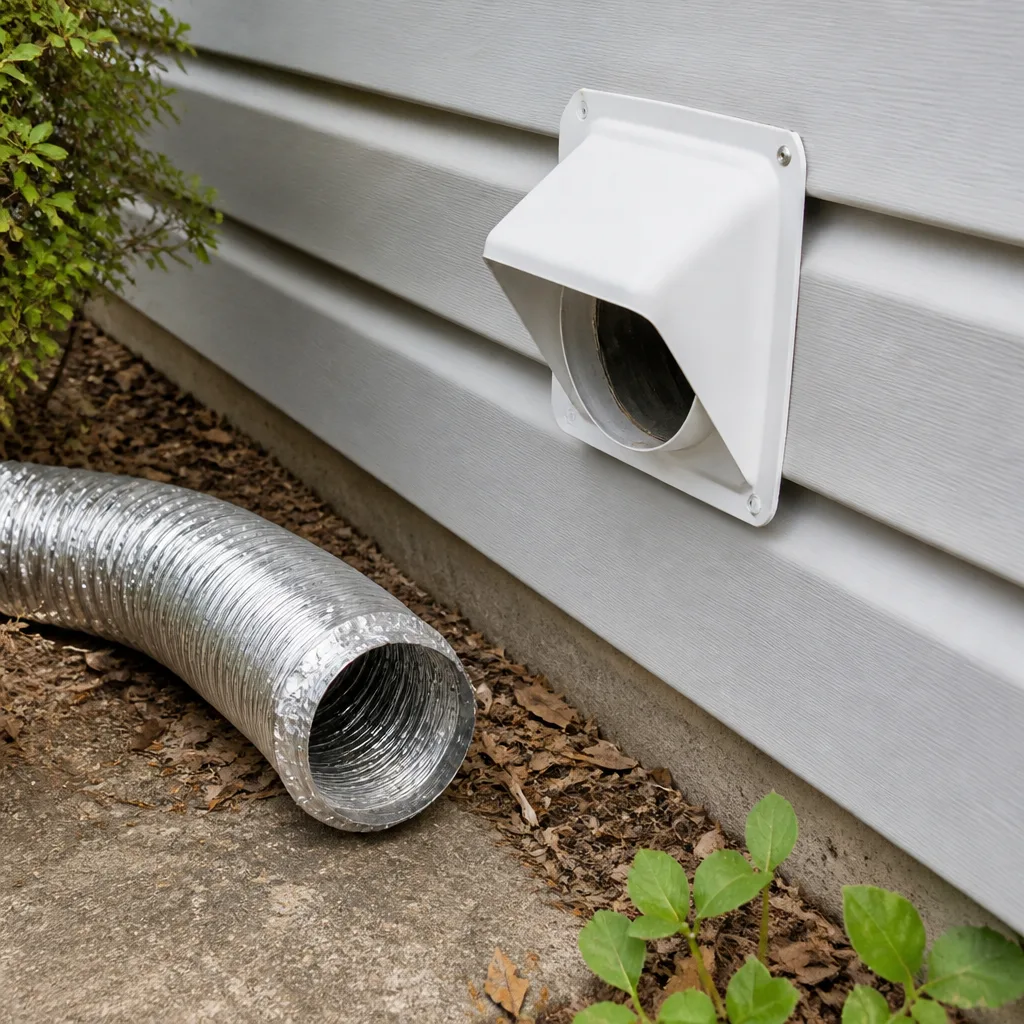 Dryer vent cleaning
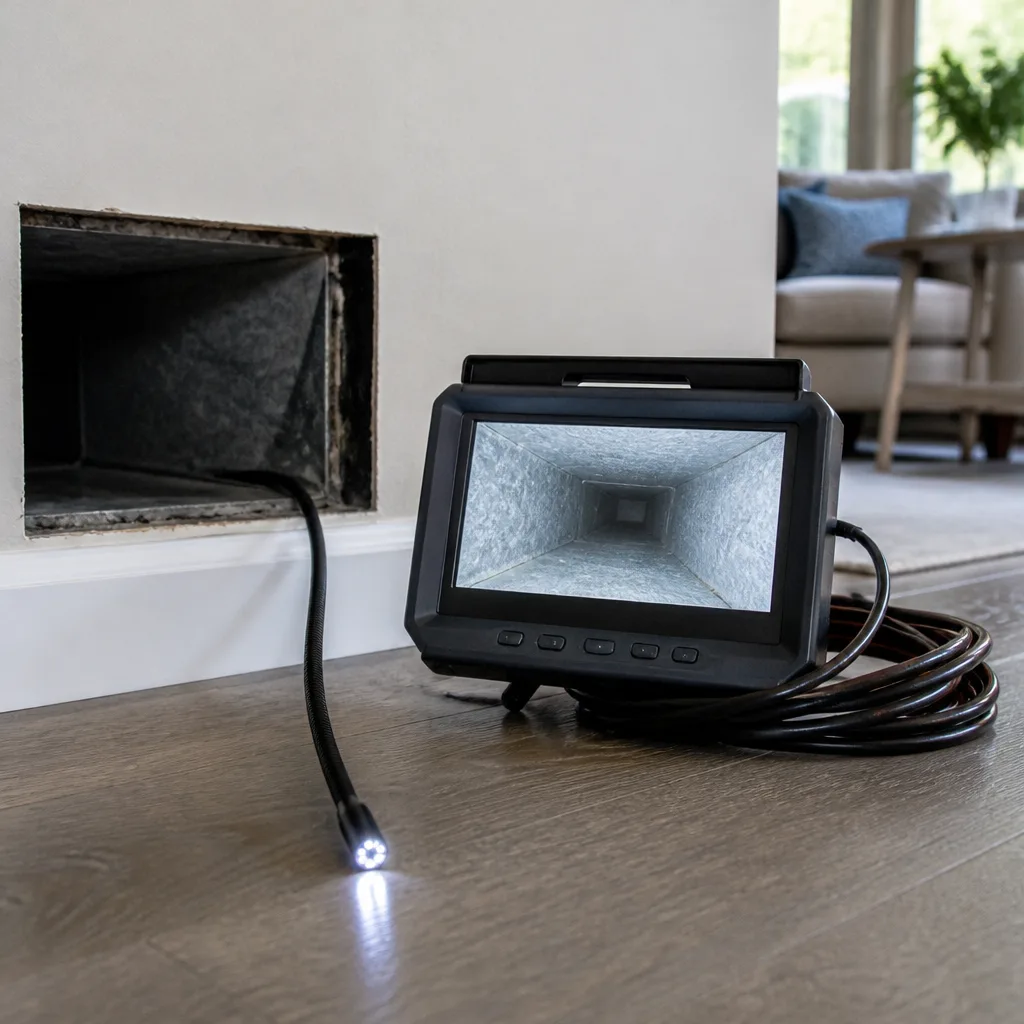 Camera inspection
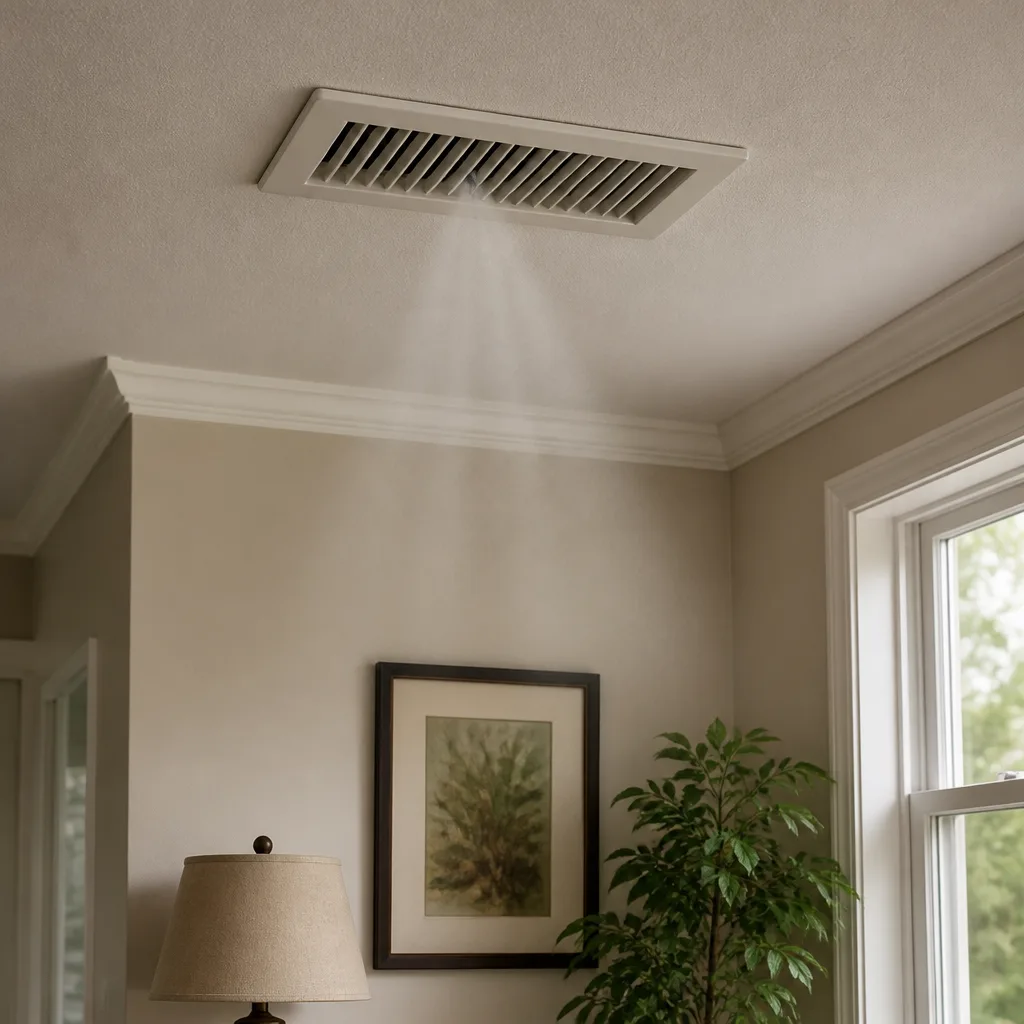 Sanitizing & deodorizing
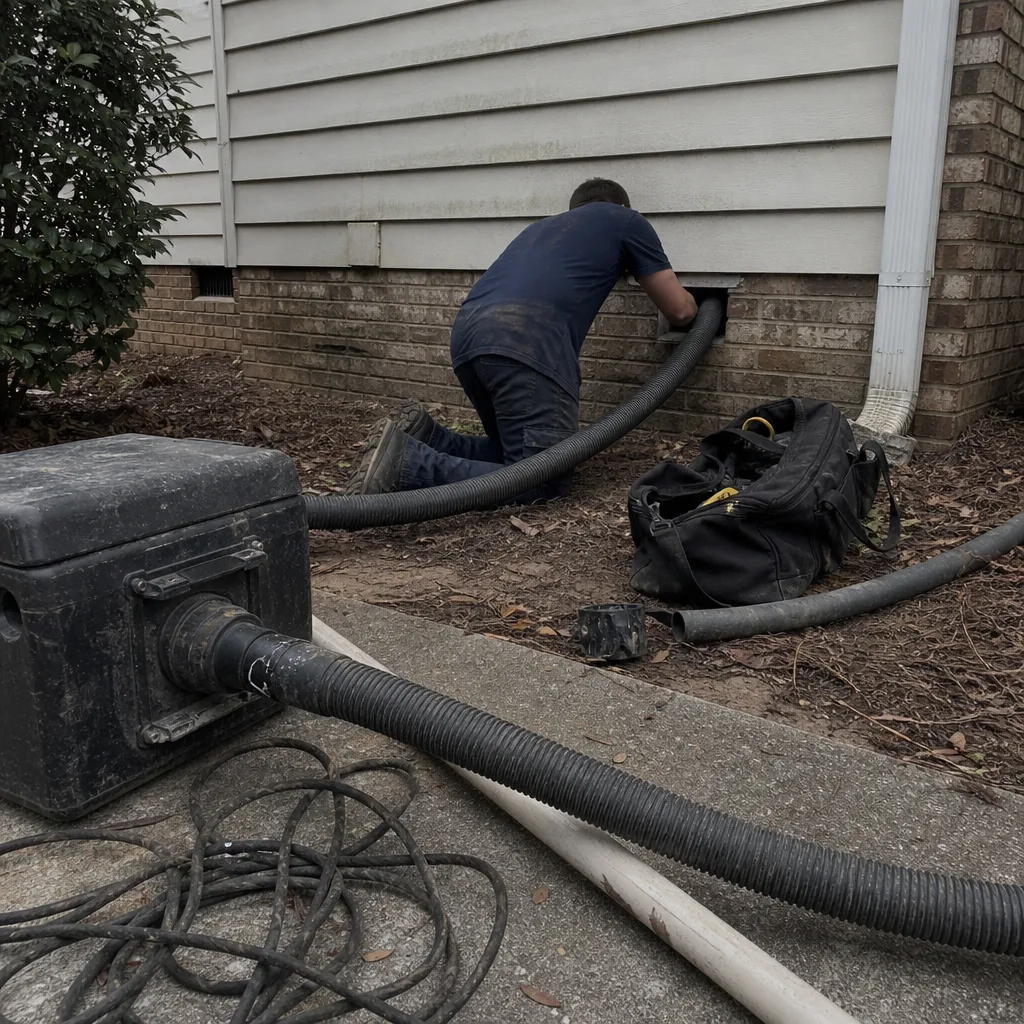
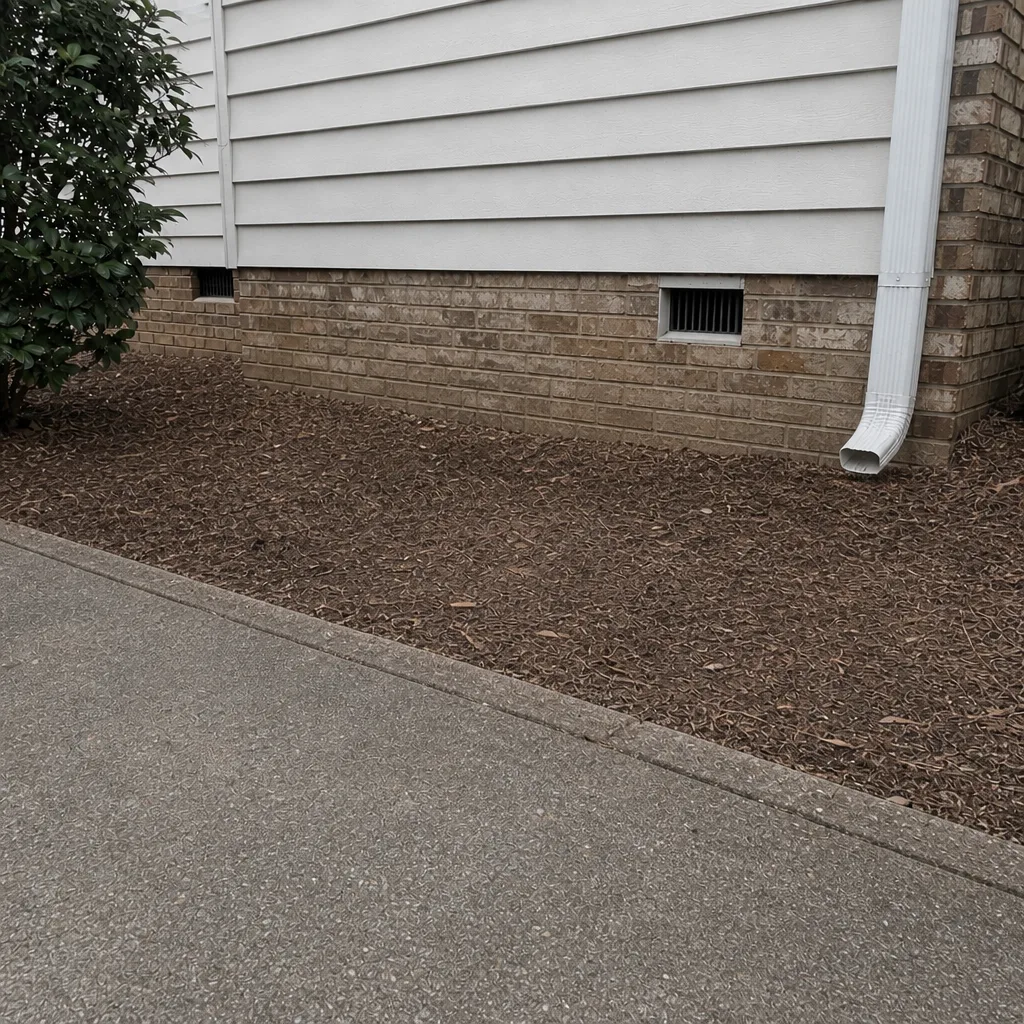
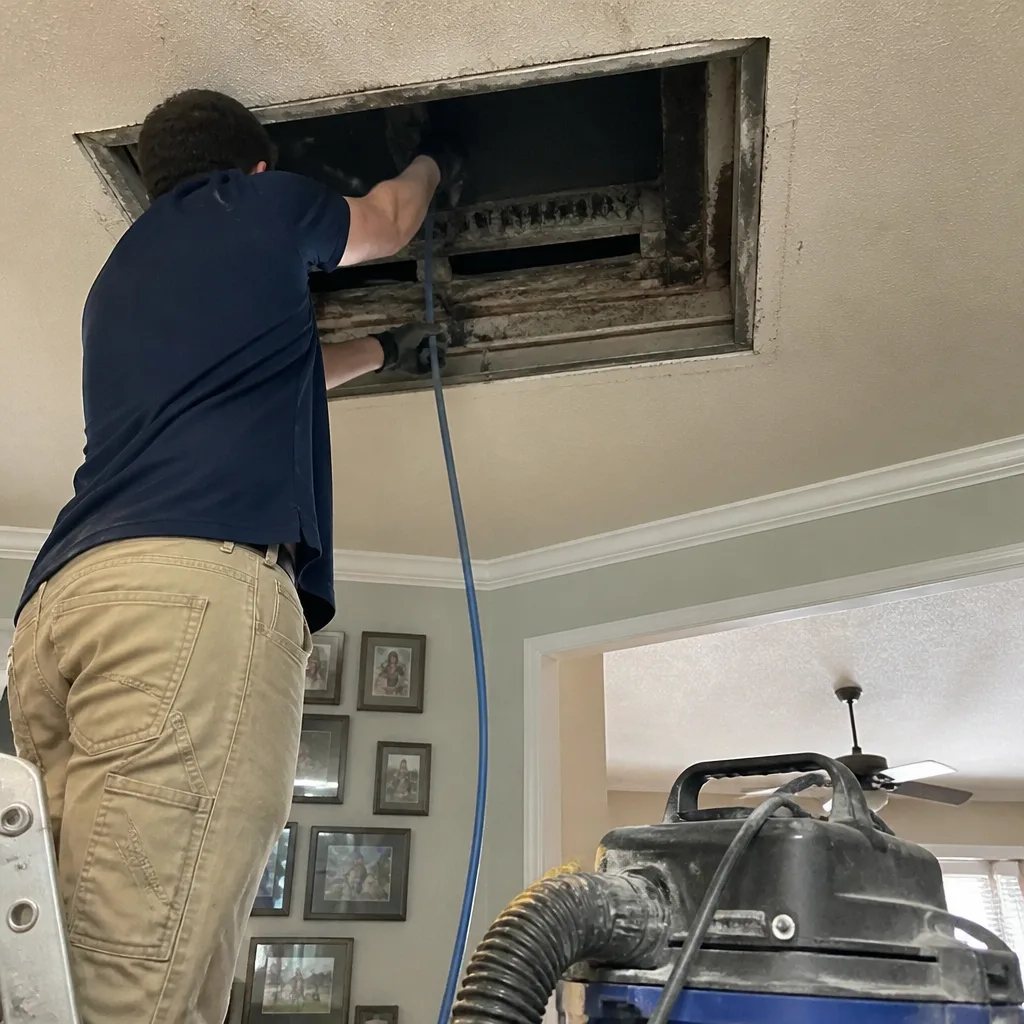
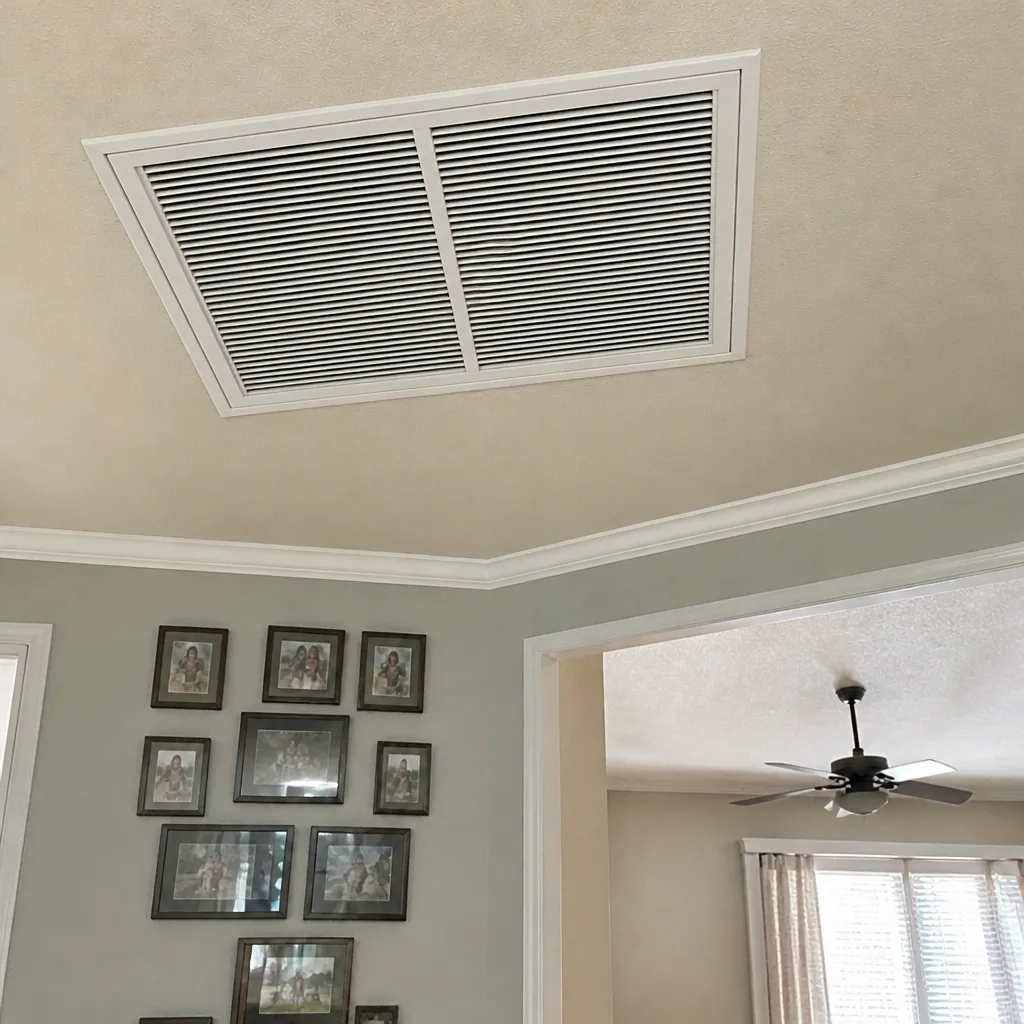
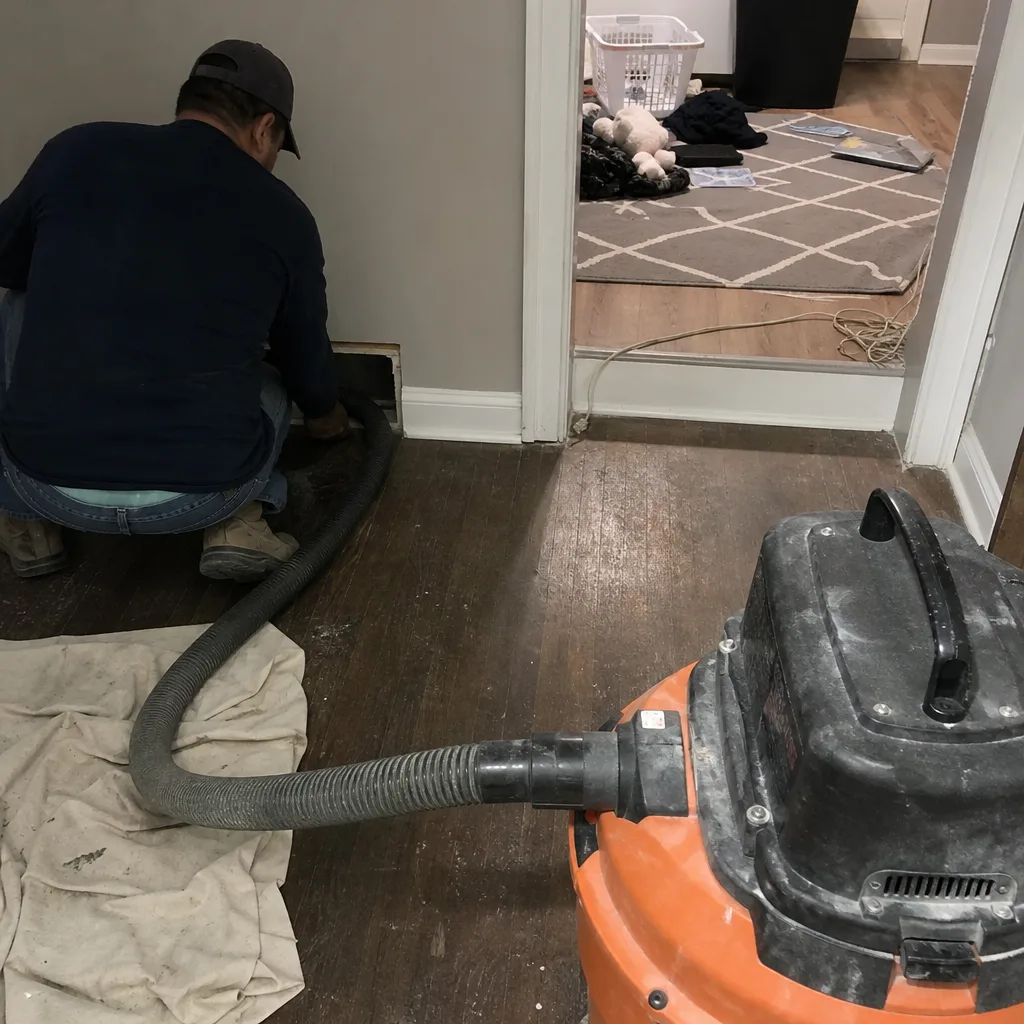
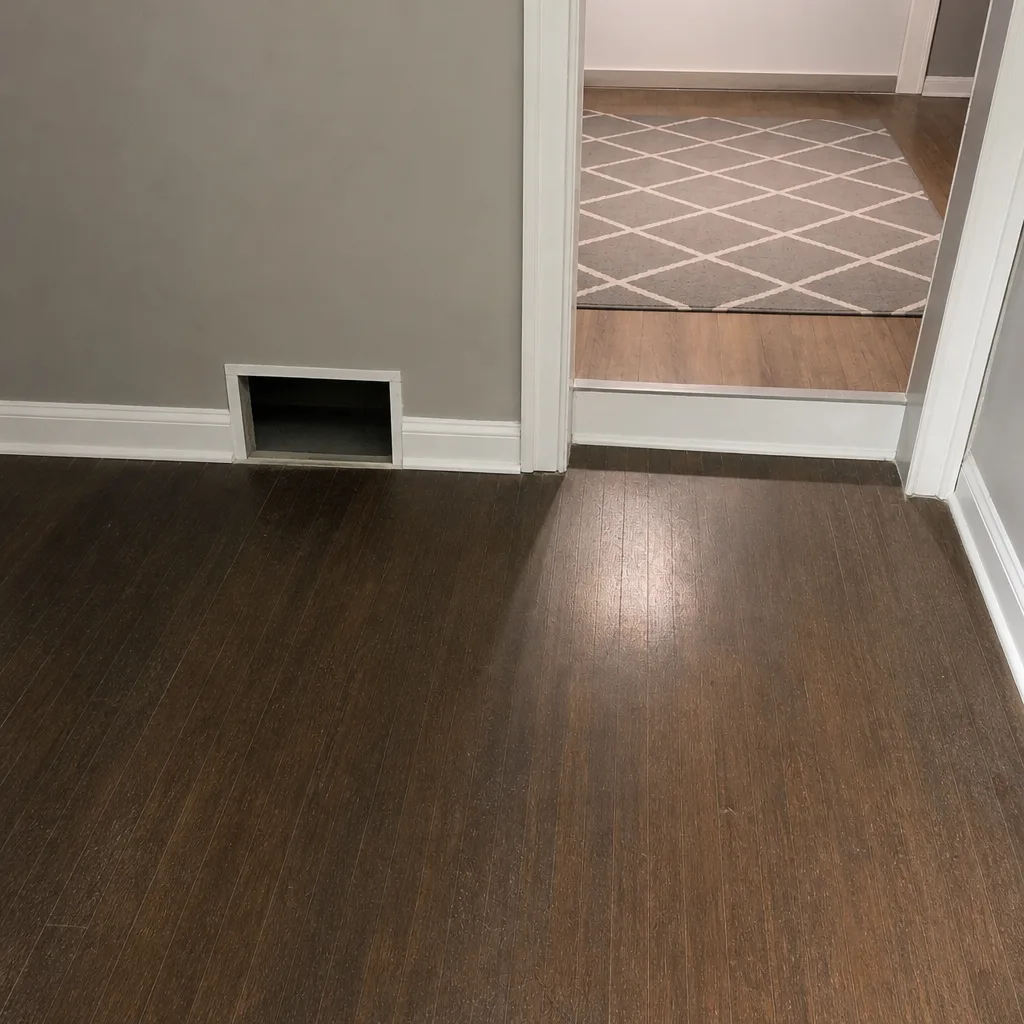
Whole-system duct and dryer vent check with before-and-after photos - you see exactly what came out of your vents
That "$99 whole-house special" is a bait ad - the real number appears once they are in your hallway, or the "clean" is a shop-vac at the register. We photograph the inside of your ducts before and after instead.
How to Hire an Air Duct Cleaning Contractor in Columbia: A Step-by-Step Guide
Most homeowners in Columbia shop for duct cleaning by comparing prices. That’s backwards. The service is easy to sell and hard to do well, and the contractor with the shiniest ad is often running a portable vacuum that wasn’t built for the size of the job. The EPA has said for years that improperly done duct cleaning can release more contaminants into your living space than were there before anyone showed up. That doesn’t happen because a crew is careless. It happens because underpowered equipment meets a job that needed negative-pressure containment and loses. This guide gives you the questions, the equipment benchmarks, and the quote-reading skills to tell the difference before you book.
Key Takeaways
- 1
Ask about vacuum capacity, brush system, and whether the unit running on your home is portable or truck-mounted.
- 2
Certification is a floor, not a ceiling. Ask for the process, not the badge.
- 3
A quote with no line items is a quote hiding something.
- 4
Photos prove a crew was in your duct. Documentation proves they cleaned it.
- 5
The contractor who also repairs ducts saves you a second phone call later.
Styles & brands we work with
- Whole-home duct cleaning
- Dryer vent cleaning
- Camera inspection
- Sanitizing & deodorizing
Quick Answer
To hire an air duct cleaning contractor in Columbia, verify three things: the capacity of the vacuum they’ll run on your home, the type of brush and agitation system they use, and their process for containment and documentation. Certification and a professional-looking website help, but a contractor who can’t answer equipment questions clearly is telling you what the job will look like. Ask for a written scope with line items, before-and-after documentation of your specific system, and a flat price agreed before work starts.
Table of Contents
- Why Columbia Homes Are Harder on Ducts Than You’d Think
- The Three Equipment Questions to Ask Before You Book
- What NADCA Membership Actually Verifies
- How to Read a Duct Cleaning Quote
- Why Before-and-After Photos Can Mislead
- Cleaning vs. Cleaning and Repair: The Distinction That Matters
- What a Proper Air Duct Cleaning Job Should Involve
- Common Mistakes to Avoid
- When to Call a Professional
- Frequently Asked Questions
Why Columbia Homes Are Harder on Ducts Than You’d Think
Columbia runs hot and humid for months at a time, and homes here work their HVAC systems hard. That’s not a marketing line. It’s a real load on the entire air pathway. When the system runs long cycles in summer, the ductwork experiences more moisture cycling, more condensation potential in unconditioned runs, and more dust load than a system in a milder climate. The result is that duct cleaning in Columbia isn’t a cosmetic service. It’s maintenance on a system that’s doing heavy lifting.
There’s a local angle that matters too. The region’s soil is famously red clay, and in newer neighborhoods springing up around Forest Acres, Blythewood, and Chapin, construction and landscaping kick fine dust into the air that a running HVAC system pulls toward the return. Homes on the east side of Columbia near Fort Jackson see a different pattern, with heavy traffic and industrial dust load. And older homes with the original metal ductwork that runs through crawl spaces pick up moisture and loosen joints over time. Each of these changes what a cleaning job should look like, and a contractor who knows Columbia will ask which situation applies before quoting.
In our experience, the homes that need the most work are the ones where nobody has looked closely at the ductwork in years. A homeowner calls for cleaning because the registers are visibly dusty, and the real problem turns out to be a collapsing flex run or a disconnected trunk that’s been blowing a third of the cooled air into the crawl space. Cleaning the dust without addressing the leak is a short-term fix. That’s why we offer cleaning and repair as one service.
The Three Equipment Questions to Ask Before You Book
These three questions will filter out half the contractors who quote you. Ask them on the phone before you book, and pay attention to whether the person answering knows the answers or has to call you back. A legitimately equipped contractor will answer without hesitation.
- What is the CFM rating of the vacuum you’ll be using? CFM stands for cubic feet per minute. Higher is better, and the number tells you whether the vacuum can actually pull air through your whole system. A shop-vac-style setup can’t. Ask for the number, not a vague description.
- What kind of brush system do you use, and does it agitate the duct walls? A brush that spins with contact against the duct wall loosens the dust that’s stuck. A brush that just spins in open air doesn’t do much. Ask whether the system provides contact cleaning, which means the brush physically touches the surface.
- Will you run a portable unit or a truck-mounted unit on my home? Portable machines are fine for small jobs and short runs. Larger homes with complex ductwork need more suction. If they say portable on a 3,000-square-foot home, ask why.
The other half of the equipment question is containment. Negative pressure is the concept: the vacuum pulls air toward itself so that loosened dust doesn’t escape into your living space. When containment is set properly, a passenger walking through the living room wouldn’t see dust puffing out of a register. When it isn’t, or the vacuum is weak, that’s exactly what happens. Hartwell runs Rotobrush contact-cleaning systems alongside Nikro negative-pressure equipment, which is the same grade of gear found in commercial and restoration work. That’s not a brand-flex; it’s the difference between a job that removes dust and a job that resuspends it.
What NADCA Membership Actually Verifies
The National Air Duct Cleaners Association (NADCA) is a real industry body with legitimate standards, and membership is a good starting signal. But it’s not the same as a certification of process quality on your specific job. Here’s what it does and doesn’t tell you.
What it verifies
- The contractor has agreed to a standard of ethics and professionalism.
- They have access to industry standards and assessment guidelines.
- They’re part of a network that shares training and methodology.
What it doesn’t verify
- That the specific crew arriving at your home is running compliant equipment.
- That the vacuum is properly sized for your system.
- That containment will be set correctly.
- That their process includes inspection for leaks, disconnects, or damaged runs.
The point isn’t to dismiss certification. It’s to treat it as the beginning of a conversation, not the end of one. Ask any certified contractor the three equipment questions above. A certified contractor with the right equipment will answer quickly. A certified contractor who subcontracted the job to a low-bid vacuum crew won’t be able to, or will wave off the questions. That’s the signal that matters. Certification opens the door; process is what walks through it.
How to Read a Duct Cleaning Quote
Air duct cleaning quotes in Columbia tend to run the span from surprisingly cheap to surprisingly expensive, and often the only difference between them is what the low quote doesn’t include. A quote with actual line items tells you what you’re buying. A single flat number with a coupon code on top tells you a lot about the sales model, but very little about the work.
Line items that should appear on a written quote
- Number of supply vents and return vents being cleaned.
- Which components are included: main trunk lines, branch runs, boots, registers, grilles.
- Whether the blower, air handler, or coil is being cleaned or left alone.
- Whether any repair is included, and what would be charged separately if a problem is found.
- The equipment being used and its capacity.
- The flat price and what, if anything, would add to it.
Red flags in a quote
- Per-vent pricing. Charges per vent encourage a crew to move fast rather than cover the whole system. It also lets a quote look small while the final invoice grows as vents are discovered.
- Coupon-first pricing. If the headline price is a low coupon number, the crew has to make up the difference somewhere. That somewhere is usually unexpected fees, upsells on the day, or a shorter job than you thought you were paying for.
- No written scope. Verbal quotes leave nothing to compare.
- Add-on scare tactics. A technician who finds a problem mid-job and demands an immediate decision isn’t repairing; they’re selling.
The honest model is one flat price per system, agreed in writing before work starts, with no per-vent pricing and no surprises. That’s how we quote air duct cleaning work in Columbia, and it’s the standard you should ask any contractor to meet. The price should hold. If a repair is needed to a duct run that’s uncovered mid-job, the right move is a pause, a clear explanation, and a revised written price before anyone continues.
Why Before-and-After Photos Can Mislead
Before-and-after photos are useful, but they’re easy to fake in the sense that they don’t prove what a homeowner thinks they prove. A photo showing a dirty duct and a clean duct only proves that somewhere in that house, two photographs were taken. It doesn’t prove they’re the same duct, the same section, or taken at the same angle with the same lighting. Some companies take the “after” photo after wiping the register down, without the duct behind it being cleaned much at all. Others use older photos from other jobs.
What to ask for instead: a same-frame photographic record of your own system. Before and after, same duct interior, same angle, same lighting, dated. If the system requires repair, a photo of the damaged section before repair and after. If the tech pulled material out of a duct, a photo of what was pulled. Documentation like this is something you can verify against your own home. Generic gallery photos on a website aren’t.
Ask also whether the contractor will do a documented walkthrough at the end of the job, pointing out what was cleaned, what was repaired, and where any remaining ducts look suspect. That’s the difference between a paper receipt and an actual service record. Abatement Technologies and Guardsman filtration equipment shows up in source-removal work precisely because the contractor wants the dust captured in HEPA-grade filters, not in your living room, and documentation is how they prove it happened.
Cleaning vs. Cleaning and Repair: The Distinction That Matters
Most duct cleaning contractors clean and leave. If they find a disconnected run, a crushed flex duct, or a leak at a joint, they tell you to call someone else. In Columbia’s climate and market, that happens more often than homeowners expect. Leaks and disconnects are common, and cleaning a leaking system without repairing it wastes much of the effect of the cleaning.
The distinction matters for four reasons:
- Air loss. A disconnected or crushed run can dump a large share of conditioned air into a crawl space or attic. Cleaning the ducts doesn’t fix that.
- Re-contamination. A leaking return pulls attic or crawl space dust straight into the system. Clean the ducts and the dust comes back within weeks.
- Moisture. In humid Columbia months, a leak into an unconditioned space invites condensation on cold ducts and eventually microbial growth. Repairing the leak is the fix.
- Second call. When a cleaning-only contractor spots the problem, you spend another week finding someone to fix it and paying a second dispatch.
Cleaning and repair as a single call is the reason we built our service that way. It also means the technician assessing your system has the training to recognize repair needs during cleaning, not to keep cleaning around a problem. Air Duct Repair is a service we run in-house, so the person who finds a crushed run is the person who can assess what fixing it will involve.
What a Proper Air Duct Cleaning Job Should Involve
Here’s what the right sequence looks like. Use this as a checklist when the crew arrives. If any of these steps is skipped, ask why.
- Walkthrough and assessment. Before anything is disconnected, the tech walks the home, counts vents, and looks at the air handler and trunk. They should ask about moisture problems, recent remodeling, and any HVAC changes.
- Containment setup. Negative-pressure equipment is connected to the main trunk, with access points sealed. Registers and grilles are removed for cleaning.
- Contact cleaning of every run. A rotating brush system is fed through each run with sufficient length to reach the full run, not just the boot. The brush agitates dust off the duct wall so the vacuum can capture it.
- Component cleaning. Registers, grilles, and boots are cleaned separately. If the blower is included in the scope, it’s cleaned during this phase.
- Inspection during the job. The tech notes any disconnected runs, crushed flex, or gaps at joints as they encounter them.
- Documentation. Before-and-after photos of your ducts, from the same angle. A written summary of what was cleaned and what was found. Any recommended repairs quoted in writing.
- Post-job test. The system is reassembled, turned on, and checked to confirm airflow is normal and no registers have been left unsealed.
Honeywell and Aprilaire are the two air-quality brands most Columbia homeowners will find in their systems, and knowing their equipment matters when the cleaning scope runs into filtration or fresh-air components. A crew that understands what these devices depend on is less likely to disturb or foul them during the cleaning. For homeowners with a separate dryer vent cleaning need, the dryer vent is a distinct piece of the air pathway and deserves its own assessment, not a quick pass with a shop-vac attachment.
Common Mistakes to Avoid
- Booking on price alone. The cheapest quote in Columbia often reflects the smallest equipment and the shortest time on the job. Ask what the price includes rather than accepting the first number you hear.
- Not asking about containment. Homeowners rarely ask, and contractors rarely volunteer. If the crew doesn’t set negative pressure, dust goes into your home, not the truck. Ask directly.
- Accepting a per-vent quote. Per-vent pricing gives the crew a financial incentive to move fast. A whole-system flat price keeps the incentive where it belongs, on the whole job.
- Trusting gallery photos. A photo of a clean duct proves nothing if it isn’t your duct. Request same-frame, same-angle documentation of your specific system.
- Skipping the repair question. In Columbia’s housing stock, disconnects and leaks are common. Ask your contractor up front: if you find a leak or a crushed run, what happens next?
- Assuming certification is enough. Membership in a professional association signals a baseline of professionalism. It doesn’t certify the equipment arriving at your door. Ask the equipment questions too.
- Waiting for visible dust. By the time dust is puffing out of a register, the problem has usually been building for years. A cleaning on schedule catches the issue before symptoms show.
When to Call a Professional
Not every home needs duct cleaning every year, and a good contractor will tell you when a cleaning isn’t the right call. But there are specific situations where the call is overdue. If you’ve recently finished a renovation or had significant drywall work done in your Columbia home, dust in the ducts is almost guaranteed. If you’re seeing visible dust trails on registers or ceiling fans after cleaning them, the source is usually upstream in the ductwork. If your energy bills have crept up without a rate change or equipment change, restricted airflow from a dirty coil or collapsed duct could be a factor. If anyone in the home has noticed worsening congestion when the HVAC cycles on, the air pathway is worth a look. If your dryer takes two cycles to dry a load, the vent is restricted and needs attention. If you’ve noticed a musty smell from registers, moisture is getting in somewhere.
Hartwell Air Duct Cleaning offers free estimates in Columbia. Our technicians have up to 11 years of experience, and we use the professional equipment – Rotobrush contact-cleaning systems, Nikro negative-pressure units – that a job of this scale deserves. Call (866) 942-9804 for an estimate.
Frequently Asked Questions
Most residential jobs in Columbia take 2 to 4 hours, depending on the number of vents, the layout of the ductwork, and whether any repair work is included. Homes with multiple systems take longer, and older homes with original metal ducts that run through crawl spaces can take longer still. We don’t rush the job to fit a fixed window. If you call (866) 942-9804 with the square footage and number of systems, we can give you a realistic time estimate over the phone.
Ask three things: what the CFM rating of the vacuum is, what type of brush and agitation system is used, and whether the unit running your home will be portable or truck-mounted. If the answers are vague or the person on the phone can’t answer, that’s a signal. Ask as well for a written scope with line items and confirmation that the price is flat per system rather than per vent. Call (866) 942-9804 for an exact quote; estimates are free.
NADCA membership is a real signal of professionalism and a good filter, but it doesn’t guarantee the crew showing up at your home will run compliant equipment. Treat certification as a starting point and follow it with equipment questions. A certified contractor with the right equipment will answer quickly. Call (866) 942-9804 to talk through what a Hartwell job involves.
Air duct cleaning frequency depends on the home more than the climate, but Columbia’s long cooling season does mean the system runs more hours per year than in most of the country, and more operating hours means more dust pulled through. A reasonable interval for most homes is every 3 to 5 years, and sooner after a renovation or if you notice symptoms. If you’re unsure, call (866) 942-9804 – estimates are free.
Extremely cheap quotes usually reflect one of three shortcuts: smaller equipment than the job requires, a scope that excludes parts of the system without saying so, or per-vent pricing that grows on the day. The math of a coupon-first model requires charging somewhere, and the somewhere is usually the final invoice. Ask for a written, flat-price scope with line items. Call (866) 942-9804 for a straight quote without a coupon.
Some contractors can do both, and it’s worth asking. Cleaning without repair on a leaking or crushed duct leaves the underlying problem in place, and you end up calling a second company a few weeks later. Hartwell handles Columbia duct repair in-house as part of our service, so a technician who finds a disconnected run can quote the fix without sending you elsewhere. Call (866) 942-9804 to schedule an assessment.
The Bottom Line
The difference between a duct cleaning that helps and one that makes things worse usually comes down to equipment and process, not price. Ask about vacuum capacity, brush agitation, and containment. Read the quote for line items, not just the total. Request same-frame before-and-after documentation of your specific ducts. And choose a contractor who can spot a damaged duct during cleaning and repair it, because simply cleaning a leaky system is the start of a cycle, not the end of one. In Columbia, where the cooling season is long and the dust load is real, these questions are worth asking before the crew is at the door.
When you’re ready, we’re here. Call (866) 942-9804 for a free estimate. We answer 24/7. Fast dispatch from 7am to 7pm, Sunday through Friday. Every job is one flat price per system, agreed before work starts, with before-and-after photos of your own ducts. Licensed and insured. Satisfied with the work or we make it right. Your ducts, your dryer vent, your air – fully serviced, one call.
Hartwell Air Duct Cleaning
Written by the team at Hartwell Air Duct Cleaning.
See the difference
 Before
 After
 Before
 After
 Before
 After