
Last updated November 15, 2026
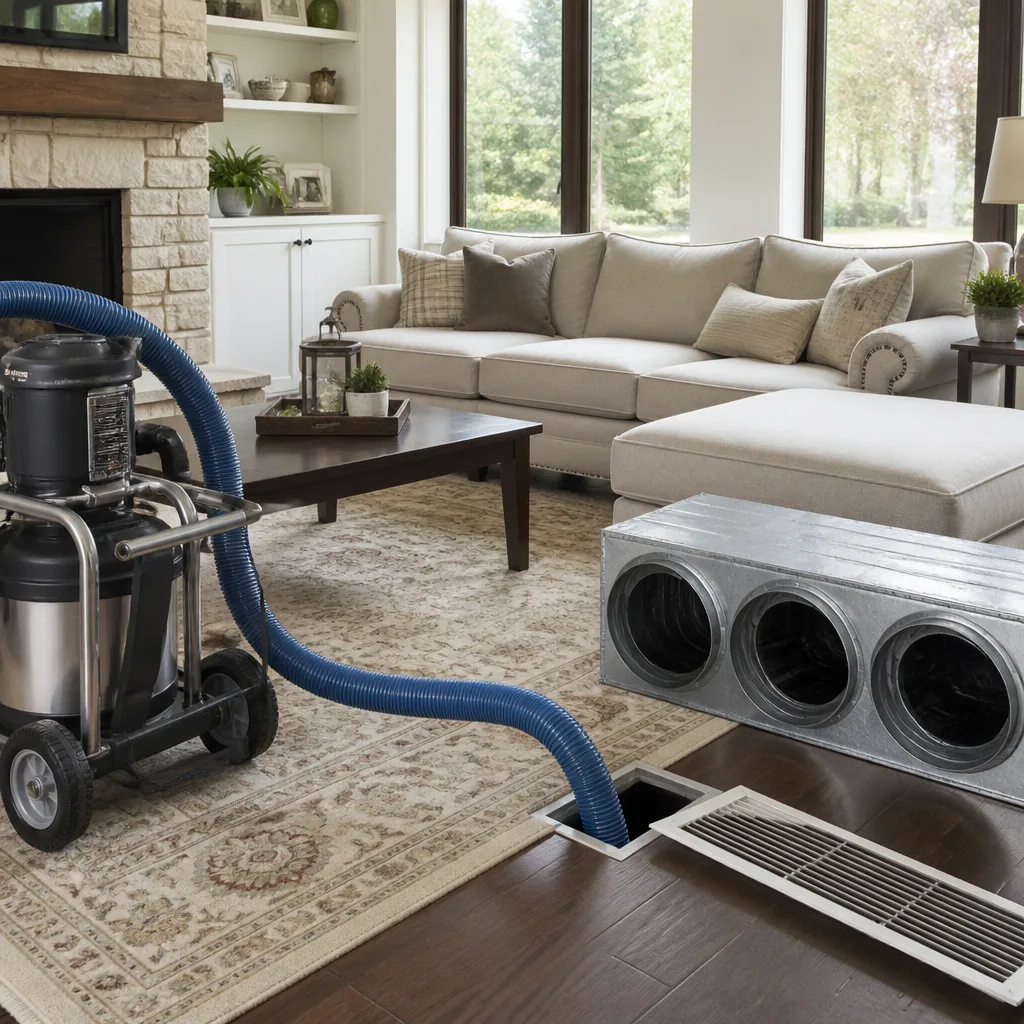 Whole-home duct cleaning
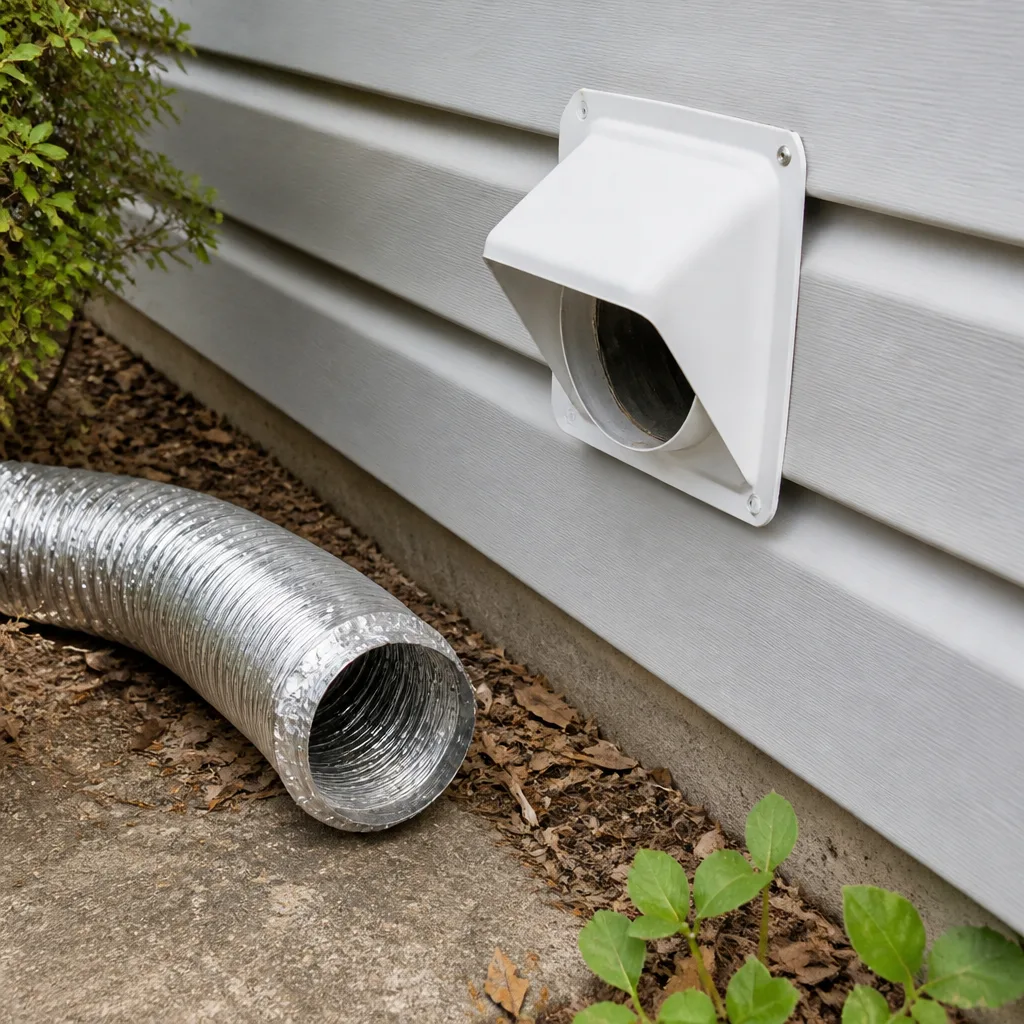 Dryer vent cleaning
 Camera inspection
 Sanitizing & deodorizing
Whole-system duct and dryer vent check with before-and-after photos - you see exactly what came out of your vents
That "$99 whole-house special" is a bait ad - the real number appears once they are in your hallway, or the "clean" is a shop-vac at the register. We photograph the inside of your ducts before and after instead.
Air Duct Cleaning Permits, Codes & Inspections in Columbia, SC: What You Need to Know
Most people assume any work touching their ductwork needs a permit. The opposite is closer to the truth. South Carolina’s residential mechanical code does not regulate duct cleaning as a standalone service, so a company can legally clean your entire system without holding a mechanical contractor license. What that gap hides is the part that matters: the repairs cleaning often uncovers. A crushed flex run, a disconnected joint behind a wall, a plenum sealed with tape that has failed – those become permit-required mechanical work. Understanding where the cleaning line ends and the construction line begins is what protects you at resale, at inspection, and at claim time. This guide explains how the code, the licensing tiers, and Columbia’s building department fit together.
Quick Answer
Air duct cleaning alone does not require a permit in Columbia, SC, and no state license is specific to it. Air duct repair or replacement – new flex runs, reconnected ducts, rebuilt plenums – is mechanical work that generally falls under South Carolina’s adopted residential mechanical code, and that work may require both a licensed mechanical contractor and a permit from the local building department. If a company can only clean, it cannot legally perform those repairs. Ask which category your job falls into before work starts.
Styles & brands we work with
- Whole-home duct cleaning
- Dryer vent cleaning
- Camera inspection
- Sanitizing & deodorizing
Table of Contents
- What South Carolina’s Mechanical Code Actually Governs
- Where Duct Cleaning Ends and Permit-Required Repair Begins
- SC Contractor Licensing Tiers: Mechanical vs. Specialty
- How Columbia’s Building Department Fits In
- What to Ask a Contractor to Document
- What a Home Inspection or Insurance Review Will Look For
- Why Columbia’s Climate and Housing Stock Make This Matter
- Cleaning-Only vs. Cleaning-and-Repair: The Practical Difference
What South Carolina’s Mechanical Code Actually Governs
South Carolina adopts the International Residential Code, and Chapter 16 of that code covers duct systems. The chapter addresses duct materials, sizing, sealing, support spacing, clearances, and the connections between ducts and appliances. It governs how a duct system is built and how it is altered. It does not establish a maintenance requirement for cleaning, and it does not describe duct cleaning as a regulated activity. That is the whole reason no permit exists for it.
What the code does regulate is anything that changes the system’s physical configuration. If a technician removes a section of flex duct and installs a new one, the installation has to meet the code’s material and sealing standards. If a plenum is rebuilt, its construction is code work. If a run is rerouted to serve a room that wasn’t previously served, that is a mechanical alteration in the ordinary sense of the term.
The distinction matters because the code doesn’t care that a cleaning inspection found the problem. It cares what the fix is. A crew can slide a camera through a supply trunk, photograph a collapsed run, and hand you the images. What happens next determines whether a permit and a licensed contractor enter the picture.
Three things the code chapter does not do:
- It does not require periodic duct cleaning or set a cleaning interval.
- It does not license or certify cleaning technicians as a category.
- It does not create an inspection program for cleaning work.
For homeowners in Columbia, this means the cleaning itself sits outside the regulatory frame. The integrity of what gets put back inside the walls sits squarely within it. When we run an air duct cleaning visit and find a failure, we tell the customer plainly which part of the fix is cleaning and which part is construction.
Where Duct Cleaning Ends and Permit-Required Repair Begins
The practical line is simple to state: cleaning removes what is inside the duct. Repair changes what the duct is. The first needs nothing from the building department. The second usually does, depending on how much of the system is being reworked. Here is how that plays out in the field.
Work that is cleaning only
- Contact cleaning of supply and return runs with a Rotobrush system.
- Negative-pressure containment with Nikro equipment to keep debris out of living space.
- Cleaning of registers, grilles, and diffusers.
- Cleaning of the air handler cabinet exterior and blower compartment surfaces that are accessible without disassembly of the system.
- Dryer vent cleaning as a standalone service.
None of these change the physical assembly. No permit enters the conversation.
Work that commonly crosses into permit territory
- Replacing a crushed or torn flex run with a new one.
- Reconnecting a duct that has separated from a trunk or a boot.
- Rebuilding or resealing a plenum in a way that changes its construction.
- Adding, removing, or rerouting a supply or return run.
- Replacing a section of ductboard or hard pipe.
These are mechanical alterations. In most jurisdictions, a mechanical permit and a licensed mechanical contractor are the expected path. Columbia’s building department is the authority to confirm with, and the answer can depend on scope. If a job touches only one connection, some offices treat it as minor repair. If it touches multiple runs or changes the layout, expect a permit requirement.
How a typical job sequence runs
- Cleaning and inspection reveal a specific failure with photo documentation.
- The contractor classifies the fix: cleaning-only, repair, or repair requiring a permit.
- If a permit is needed, the licensed mechanical contractor pulls it before work begins.
- The repair is made to code standards for materials, sealing, and support.
- The work is documented with before-and-after photos and a written description.
- The customer keeps those records with the home’s paperwork.
If the company doing step one cannot do steps three through five, you have a handoff problem. That’s the gap that produces unpermitted repairs. Our position is straightforward: we clean it and we fix it, under one scope of work, with one written estimate before anything starts.
SC Contractor Licensing Tiers: Mechanical vs. Specialty
South Carolina licenses contractors through the state’s contractor licensing framework, which separates residential specialty work from mechanical work. Duct cleaning does not require a license under that framework because it isn’t classified as contracting. Duct repair does require one, because it is.
The tiers matter because they are not interchangeable. A specialty license covers a defined trade scope. A mechanical contractor license covers the installation, alteration, and repair of HVAC and duct systems. If a company performs duct repair, it should be operating under a mechanical license, or under a properly licensed mechanical contractor who is responsible for that scope.
What to verify before you hire
- Scope. Ask directly whether the company performs duct repair or only cleaning. The answer tells you which license question applies.
- Licensing. For repair work, ask for the mechanical contractor license classification. The state licensing board maintains a public lookup you can check yourself.
- Insurance. Ask for a certificate of insurance covering general liability. Cleaning and repair both involve working inside a home.
- Permit handling. Ask who pulls the permit when one is required. If the answer is “the homeowner,” that is a signal the company isn’t set up for the work.
One wrinkle: the licensing tiers don’t require the person holding the cleaning wand to be licensed. A licensed mechanical contractor can operate a company whose cleaning technicians are trained on the equipment but not individually licensed. That’s normal. What isn’t normal is a cleaning-only operator taking on structural repair work because it’s convenient.
Our technicians have up to 11 years of experience with professional contact-cleaning and negative-pressure systems. That experience is why we can tell a customer at the end of a visit whether what we found is a cleaning matter or a construction matter, without guessing.
How Columbia’s Building Department Fits In
Columbia’s building department issues permits and performs inspections for mechanical work within its jurisdiction. Duct repair falls into that category when the scope reaches the permit threshold. The department’s role is not to inspect duct cleaning – that’s outside its remit – but to verify that alterations to a home’s mechanical system meet the adopted code.
In practical terms:
- A permit application identifies the scope, the property, and the licensed contractor responsible.
- An inspection verifies the installation against code requirements for materials, sealing, and support.
- A failed inspection requires correction and a re-inspection, which adds time and cost.
- Unpermitted work can surface during a later home sale, insurance claim, or a permitted project on the same system.
The last point is the one that catches homeowners. Unpermitted mechanical work doesn’t disappear. It sits in the house until someone with authority to ask questions asks them.
Because Columbia is the seat of Richland County and sits at the center of a metro that includes Forest Acres, Irmo, and Lexington, the jurisdiction question can get fuzzy at the edges. A property inside city limits answers to the city’s building department. A property in an unincorporated area may answer to the county. If you’re near a boundary, confirm before work starts rather than after.
In our experience, the answer is usually uncomplicated for cleaning and worth a phone call for repair. We don’t guess at jurisdiction. When a job crosses the line, we say so and we point the customer to the right office. That’s part of what it means to work in Columbia honestly.
What to Ask a Contractor to Document
The single best protection against unpermitted repair problems is a paper trail created at the time of the work. Home inspectors and insurance adjusters ask for records, and records that don’t exist don’t help. Ask for the following on every job that involves more than cleaning.
The documentation checklist
- Written scope of work. What was cleaned, what was repaired, and what materials were used. Vague descriptions (“serviced ductwork”) are not enough.
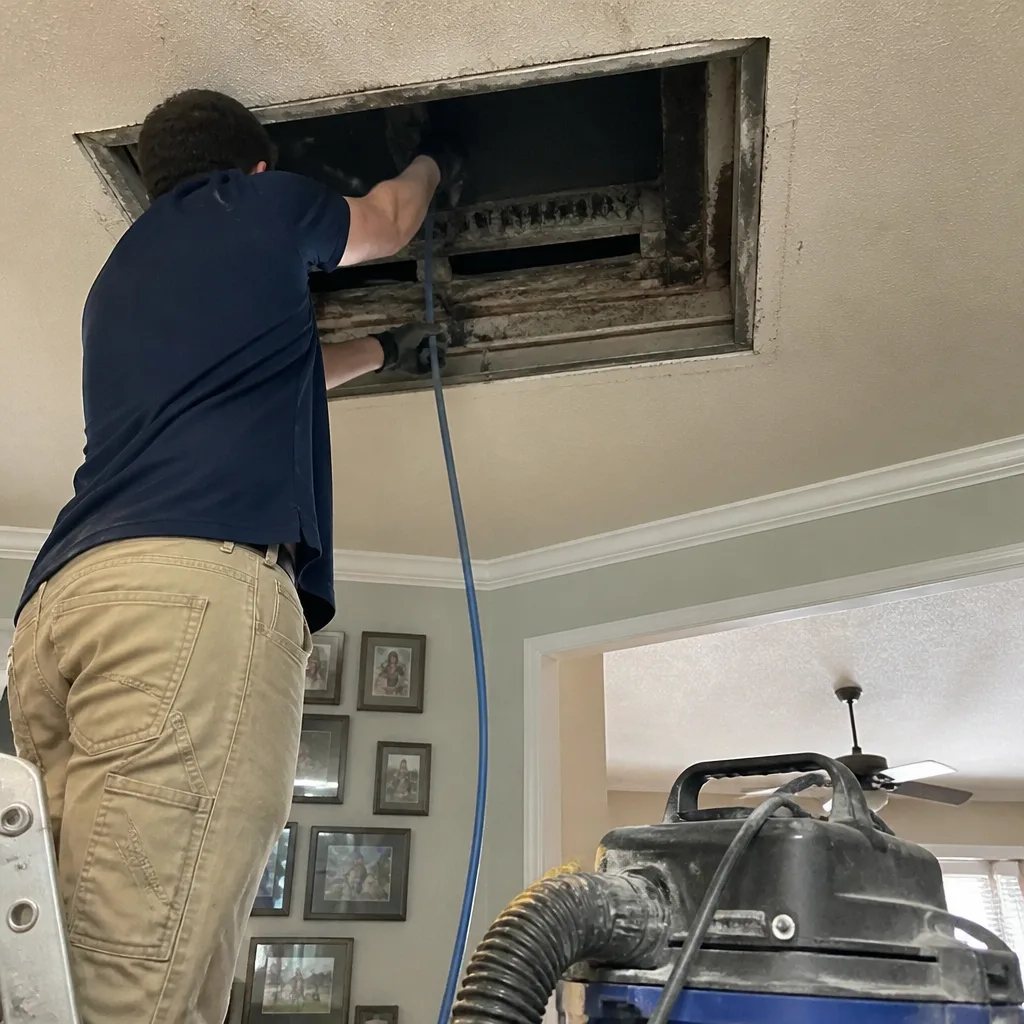
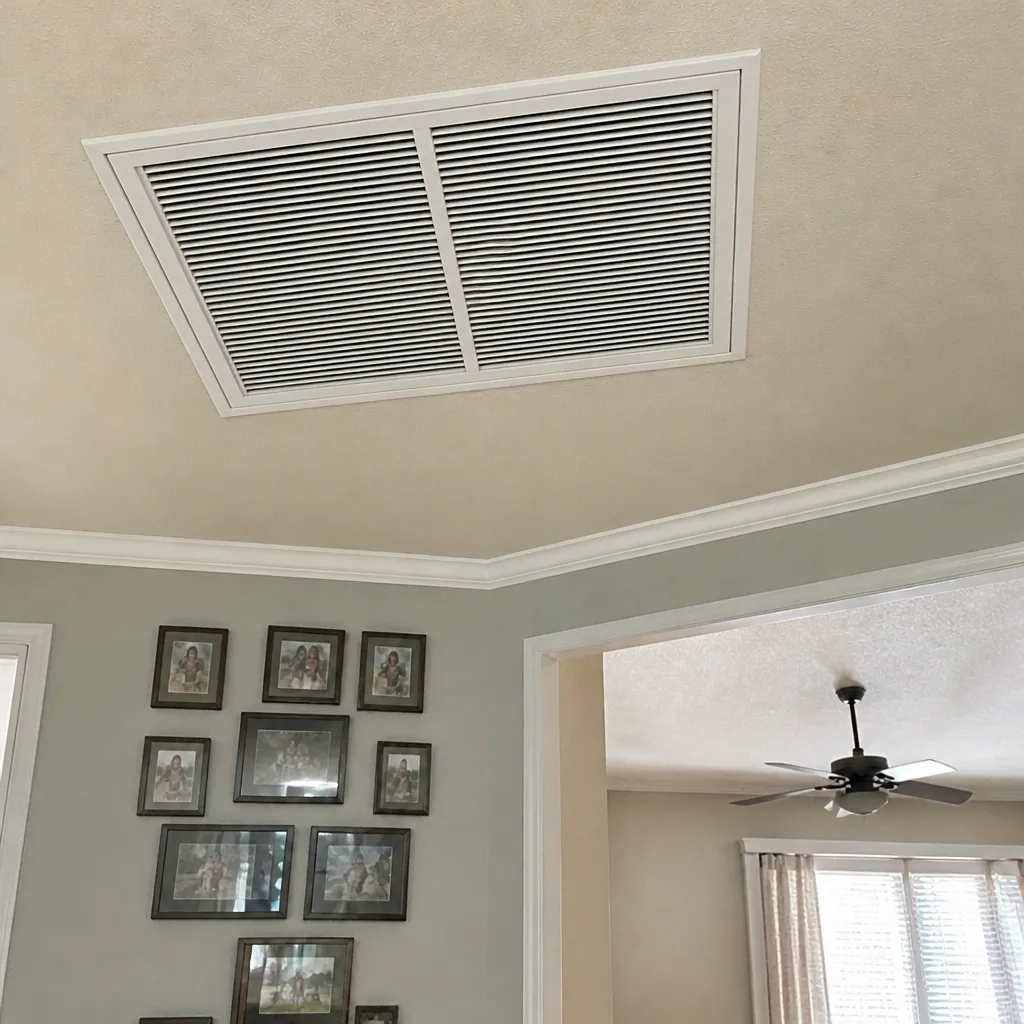
- Before-and-after photos. Interior photos of the ducts and the specific repair locations. Not marketing photos – your ducts.
- Permit number, when applicable. If the work required a permit, keep the number and the inspection record with your closing documents.
- Contractor license and insurance information. Name, license classification, and certificate of insurance attached to the invoice.
- Materials used. Which duct materials, sealants, and filtration products were installed. This helps a future contractor troubleshoot without guessing.
- Estimate versus final invoice. The written estimate should match the invoice. If it doesn’t, you want the difference explained in writing.
This is why we do one flat price per system, agreed before work starts, and hand over before-and-after photos of the customer’s own ducts. It’s not a marketing flourish. It’s the record that keeps a customer out of trouble years later.
What a Home Inspection or Insurance Review Will Look For
A home inspection is not a code compliance audit. It is a visual survey by a generalist, and inspectors generally note what they can see and recognize. Duct systems sit largely out of sight, so the inspector’s read depends on what shows at registers, at the air handler, and at the attic or crawlspace where accessible.
What tends to raise a flag
- Flex duct with visible tears, kinks, or sagging runs.
- Disconnected ducts in the attic or crawlspace.
- Tape-sealed joints that have failed, or joints sealed with materials not intended for ductwork.
- Unsealed penetrations at boots where ducts meet registers.
- Ductboard that has absorbed moisture, which shows as staining or softness.
- Documentation gaps – a system that was clearly altered with no record of who did it or whether a permit was pulled.
For insurance reviews, the concern is often a claim. A water loss traced to a condensate problem near the air handler, or a fire claim where a dryer vent was part of the loss, invites a question about how the system was built and maintained. Records answer that question.
It’s worth saying plainly: duct cleaning doesn’t have a permit trail because there’s nothing to permit. That’s not a black mark. Duct repair does have a trail, and its absence is the thing that raises eyebrows. If you’ve had ductwork altered and don’t know whether a permit was pulled, ask the company that did the work. And if the answer doesn’t satisfy you, schedule an independent inspection and find out what you’re dealing with.
Why Columbia’s Climate and Housing Stock Make This Matter
Columbia’s summers run long and humid, and that shapes ductwork in ways that matter for this conversation. A system that runs hard for months pulls a large volume of moist air through the ducts. Flex duct in a vented attic – the most common setup in older Columbia homes – sees attic temperatures well above outdoor air temperature. That combination of heat and humidity is hard on duct materials, on sealants, and on ductboard.
Add the region’s mature tree canopy during pollen season, and duct interiors in many Columbia homes see a heavier load than systems in drier climates. We’re not saying every home needs annual attention. We’re saying the result of deferred attention is often a physical failure rather than just surface dust.
Housing stock that raises repair frequency
- Homes in older neighborhoods where original flex has been patched multiple times.
- Systems that have been extended or remodeled, sometimes without documentation.
- Attic-routed flex with long unsupported runs, which tend to sag and kink over time.
- Homes with an air handler in a closet or garage where return pathways get improvised.
When we open up these systems on a dryer vent cleaning visit or a full duct cleaning, the failures we find are usually the ones someone already tried to fix. That’s where the permit question becomes real, because the previous attempt is the thing that has to be corrected.
Cleaning-Only vs. Cleaning-and-Repair: The Practical Difference
A cleaning-only company operates a vacuum, a whip, and a camera. When the camera finds a collapsed run, the crew finishes the cleaning, writes up the finding, and recommends a contractor. The homeowner then hires that contractor, schedules a second visit, and takes on coordinating two scopes of work. Whatever the second contractor does, the first contractor won’t document, and the paper trail is split.
A company that does both cleans, inspects, and repairs under one scope. That’s the model we operate under, and it’s why we run the equipment we run.
Equipment that supports both services
- Rotobrush contact-cleaning systems for the duct interiors, which is what restoration contractors use when a mechanical cleaning has to actually remove material.
- Nikro negative-pressure equipment to keep containment during cleaning and to hold the work area clean during repair.
- Abatement Technologies and Guardsman filtration products for source-removal methodology rather than surface cleaning.
- Familiarity with Honeywell and Aprilaire air-quality systems, which is what most of the air handlers we see in Columbia homes are built around.
Source removal is the standard. Source removal plus structural correction is the standard plus the part most companies skip. In our experience, that’s the section of the work that turns an unpermitted repair into a documented one.
One more point about equipment: the brands above aren’t endorsements or partnerships. They’re the equipment this trade uses when the job has to be done right. If a crew shows up with consumer-grade vacuums, they can clean the visible surface. They can’t fix what’s under it, and they can’t document it to a code standard. For the full picture of what a proper visit involves, the Hartwell Air Duct Cleaning approach is a useful reference.
Common Mistakes to Avoid
- Assuming cleaning requires a permit. It doesn’t. Assuming it does, then skipping cleaning because permits feel burdensome, leaves real problems in place. Check what the work actually is before deciding what it needs.
- Assuming repair doesn’t require a permit. This is the more expensive error. Unpermitted mechanical alterations in Columbia homes can surface at resale, during a refinance appraisal, or after a claim, and the cost to remediate falls on the homeowner.
- Letting a cleaning crew perform structural repair. If the company can’t produce a mechanical contractor license classification, don’t let them install new flex runs, rebuild a plenum, or reconnect a separated duct. The work may be fine, or it may fail an inspection a year later.
- Skipping the documentation. A verbal “we replaced a duct” is not a record. Ask for photos, a written scope, and permit numbers where they apply, and keep them with your closing documents.
- Hiring on price alone. The lowest bid on a duct job is usually a cleaning-only scope, delivered with equipment that doesn’t reach the duct interior. When the same company’s “repair” quote arrives, it often has no license behind it.
- Ignoring dryer vent signs. A dryer that runs long or comes out hot is telling you something. Dryer vent cleaning is a separate service from duct cleaning and addresses a known fire risk on its own terms.
- Not knowing your jurisdiction. Columbia city limits and the surrounding county areas may route permits through different offices. Confirm who has authority over your property before work starts, not after.
See the difference
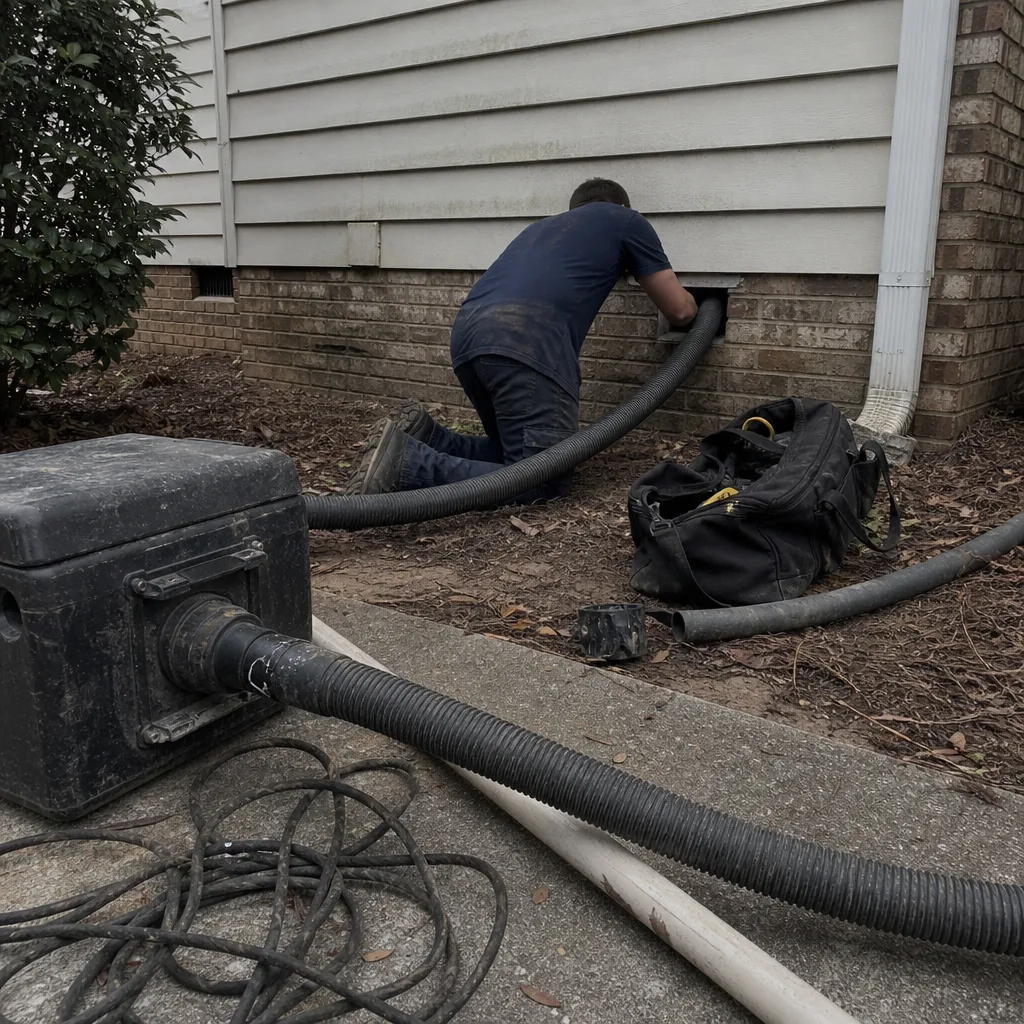 Before
 After
 Before
 After
 Before
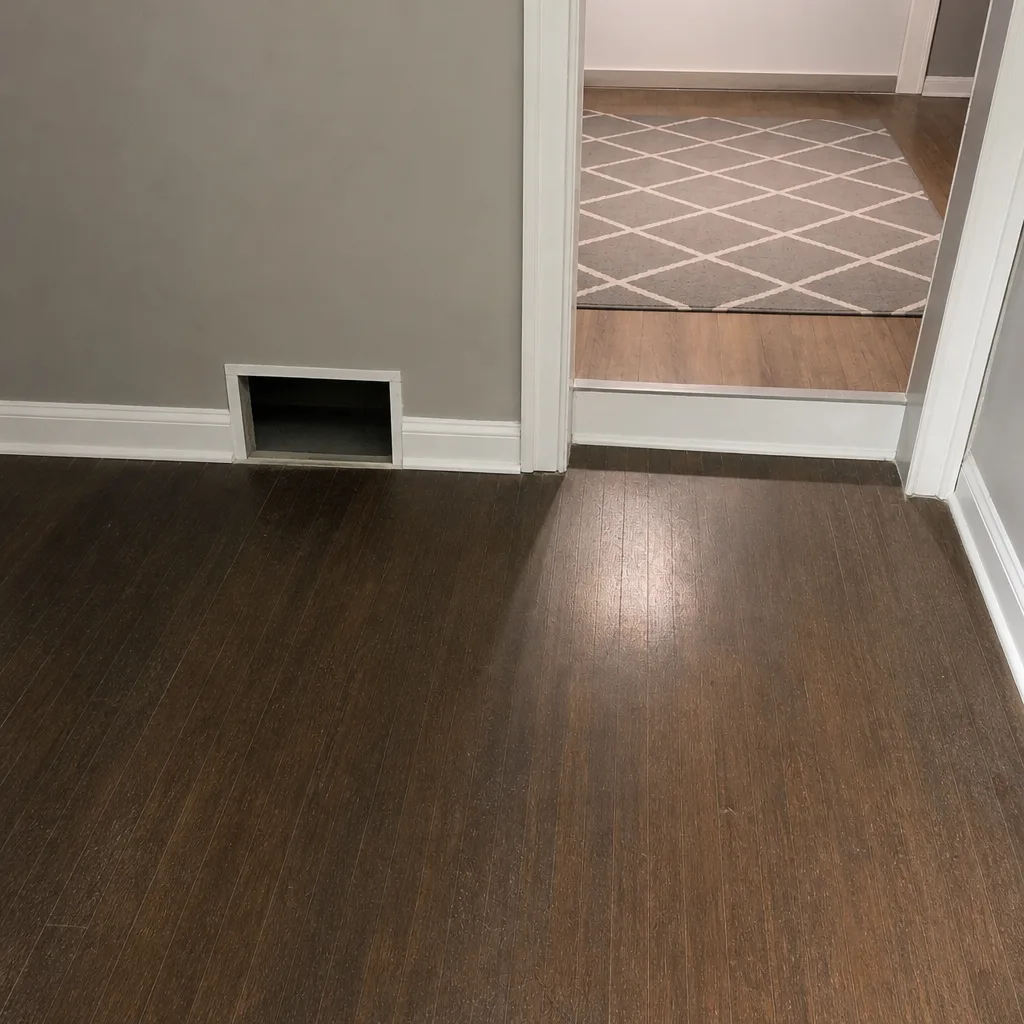 After
When to Call a Professional
Call a professional when you see evidence of a physical failure rather than just surface buildup. Flex duct that has visibly collapsed in an attic, a run that has pulled away from a boot, a joint breathing dust at the register, or a return that rattles and pulls air through a closet door – those are repair signals. They’re the situations where the permit and licensing questions matter, and where a licensed mechanical contractor has to be involved.
Also call when the system has been modified and you don’t know how. Undocumented duct changes are common in older Columbia homes, and a professional inspection can tell you what was done and what to correct. And call when a dryer vent is part of the picture – that’s an independent fire-risk question worth answering.
Hartwell Air Duct Cleaning offers free estimates in Columbia. Call (866) 942-9804. We answer 24/7. Fast dispatch from 7am to 7pm, Sunday through Friday.
Frequently Asked Questions
No. Air duct cleaning is not a regulated activity under South Carolina’s adopted residential mechanical code, so there is no permit and no license specific to it. What may require a permit is any repair or alteration the cleaning reveals – new flex runs, reconnections, plenum rebuilds, or rerouting.
Yes. Duct repair is mechanical work, and in South Carolina that generally means a mechanical contractor license classification is required. Ask for the license classification, not just the license number, and check it against the state licensing board. If the company can only clean, it cannot legally do the repair.
A mechanical contractor license covers the installation, alteration, and repair of HVAC and duct systems. A specialty license covers a narrower trade scope. Cleaning isn’t classified as contracting in either tier, so a cleaning-only company does not need either license for cleaning – but it needs the mechanical classification to perform repair work.
Yes. Unpermitted mechanical work can surface during a home inspection at resale, and its absence from the permit record is a flag that buyers and their agents notice. Remediation usually means pulling the permit retroactively, correcting any code issues, and paying for the inspection process twice.
Ask for the written scope of work, before-and-after photos of your own ducts, the permit number if a permit was required, the contractor’s license classification and certificate of insurance, and the materials installed. Keep all of it with your closing documents.
Long humid summers and hot attics are hard on flex duct, sealants, and ductboard, and the mature tree canopy puts a heavier load on air handling systems during pollen season. In our experience, that combination produces more physical failures than surface buildup alone. When in doubt, a cleaning and inspection visit will show you what you’re actually dealing with. Call (866) 942-9804 – estimates are free.
The Bottom Line
Duct cleaning doesn’t require a permit in Columbia, SC, and the state doesn’t license it as a category. Duct repair does fall under the mechanical code, and repairs often require a licensed mechanical contractor and a permit from Columbia’s building department. The trap is a cleaning-only company taking on repair work it isn’t licensed for, leaving a homeowner with unpermitted alterations that surface years later. Protect yourself by verifying the license classification, asking who pulls the permit, and demanding documentation on every job that involves more than cleaning. One call should cover both the cleaning and the fix, with one written estimate and one record of what was done.
If you’re not sure which category your job falls into, call. We’ll tell you plainly what’s involved.
Call (866) 942-9804 for a free estimate.
Written by the team at Hartwell Air Duct Cleaning.