
Last updated November 15, 2026
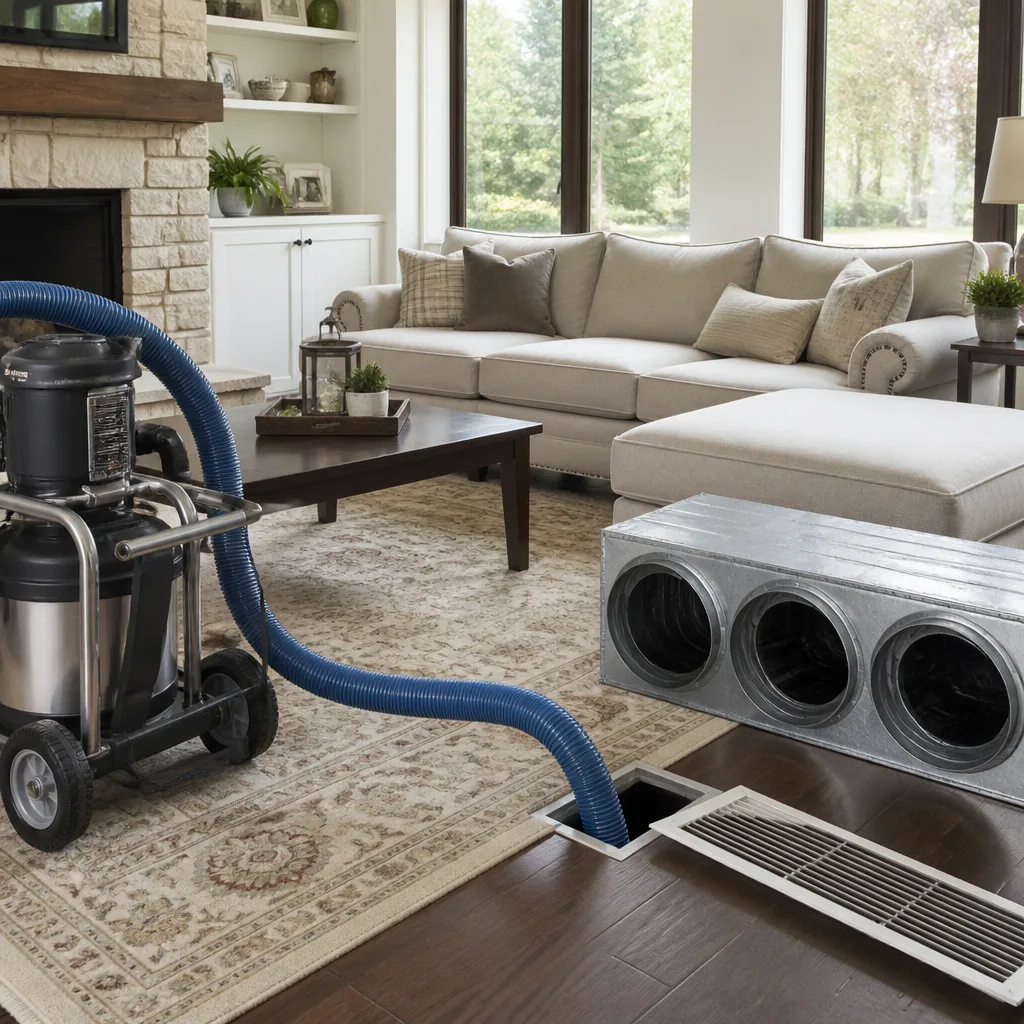 Whole-home duct cleaning
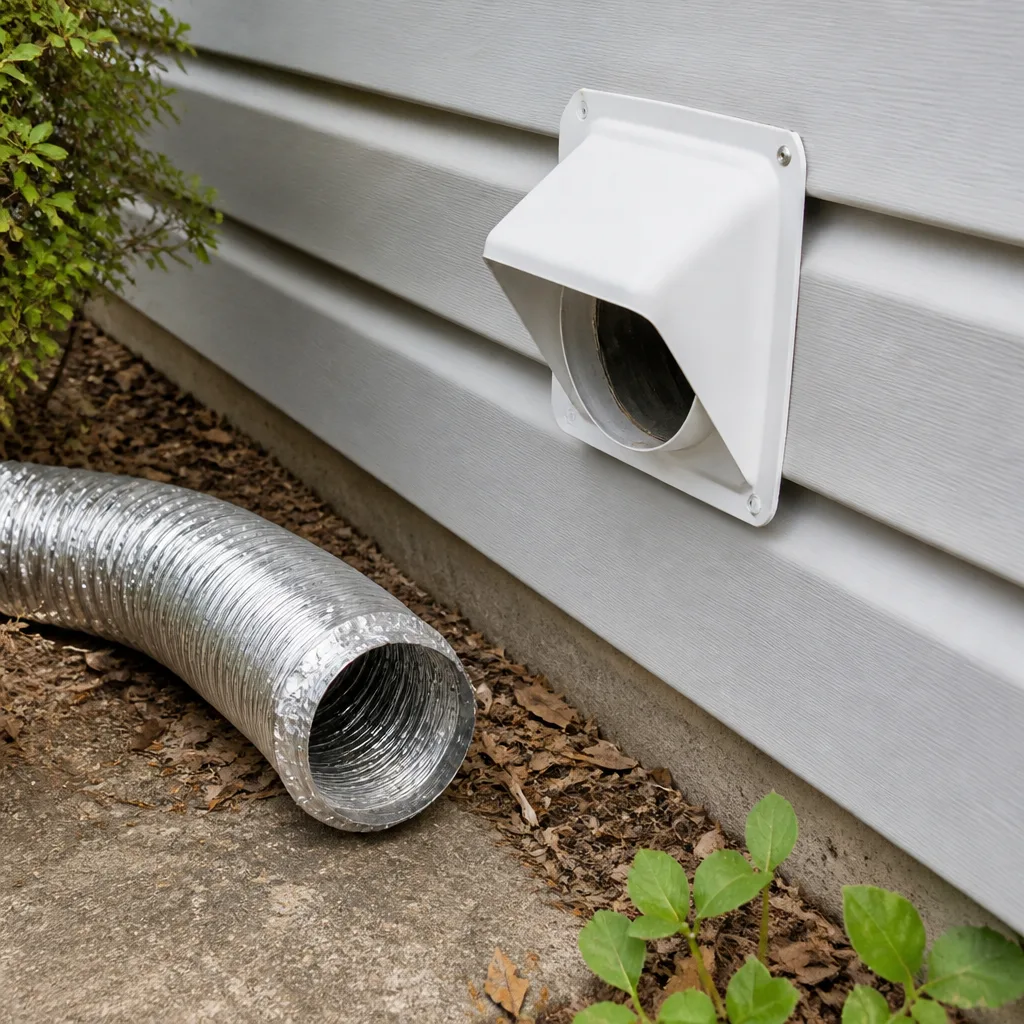 Dryer vent cleaning
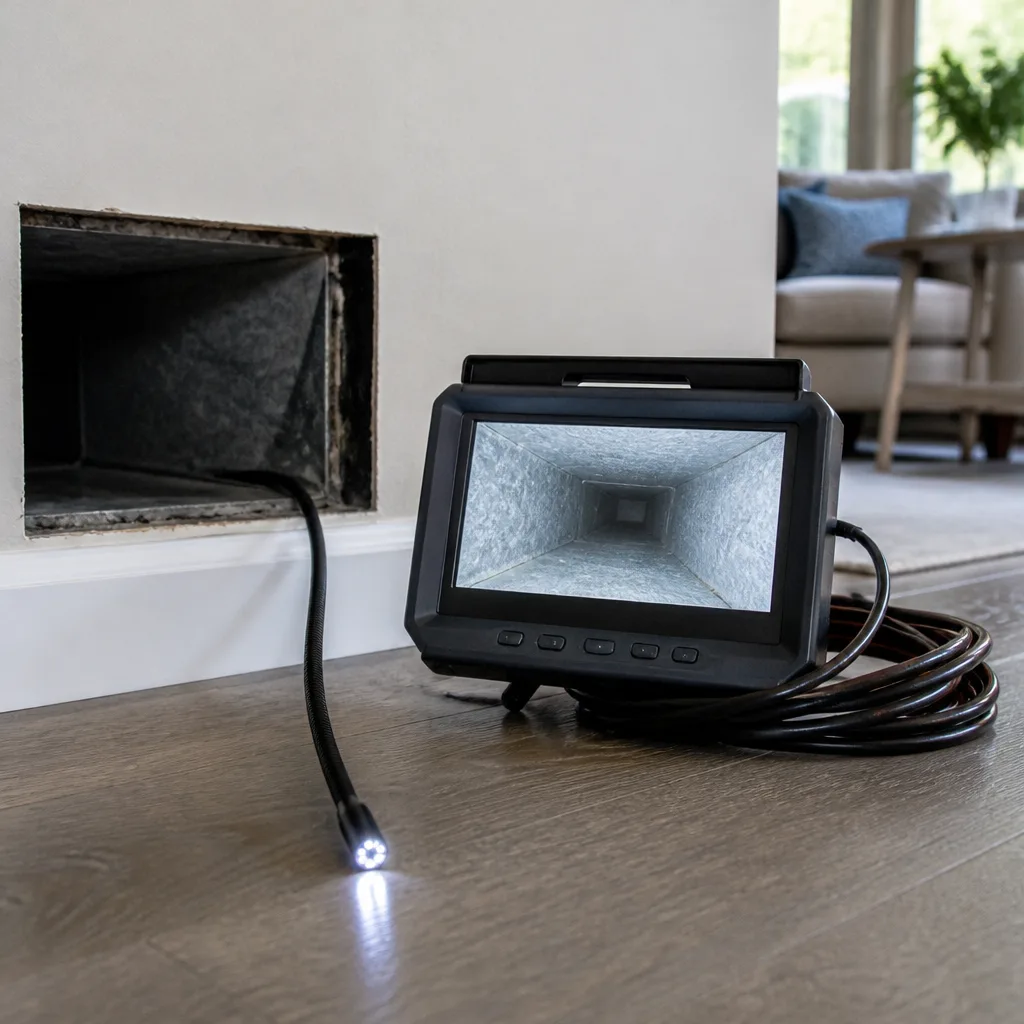 Camera inspection
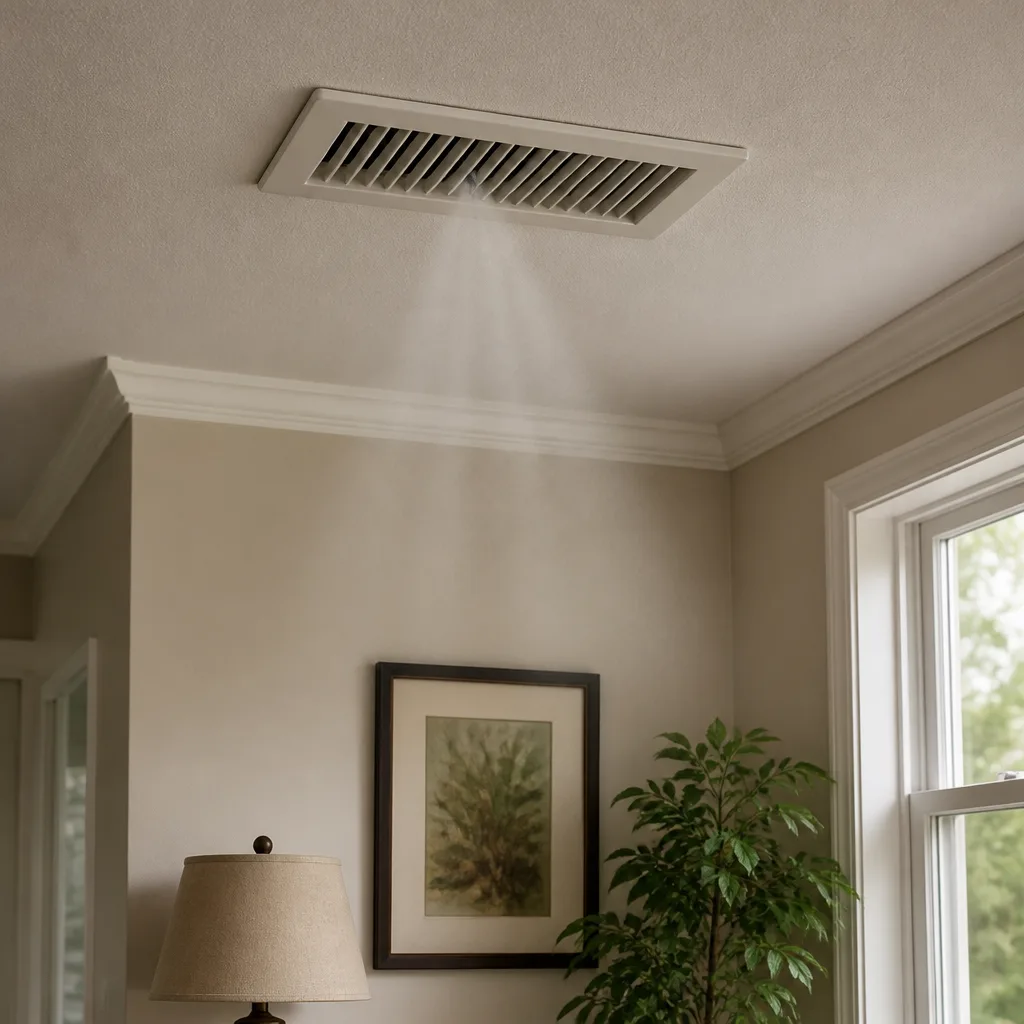 Sanitizing & deodorizing
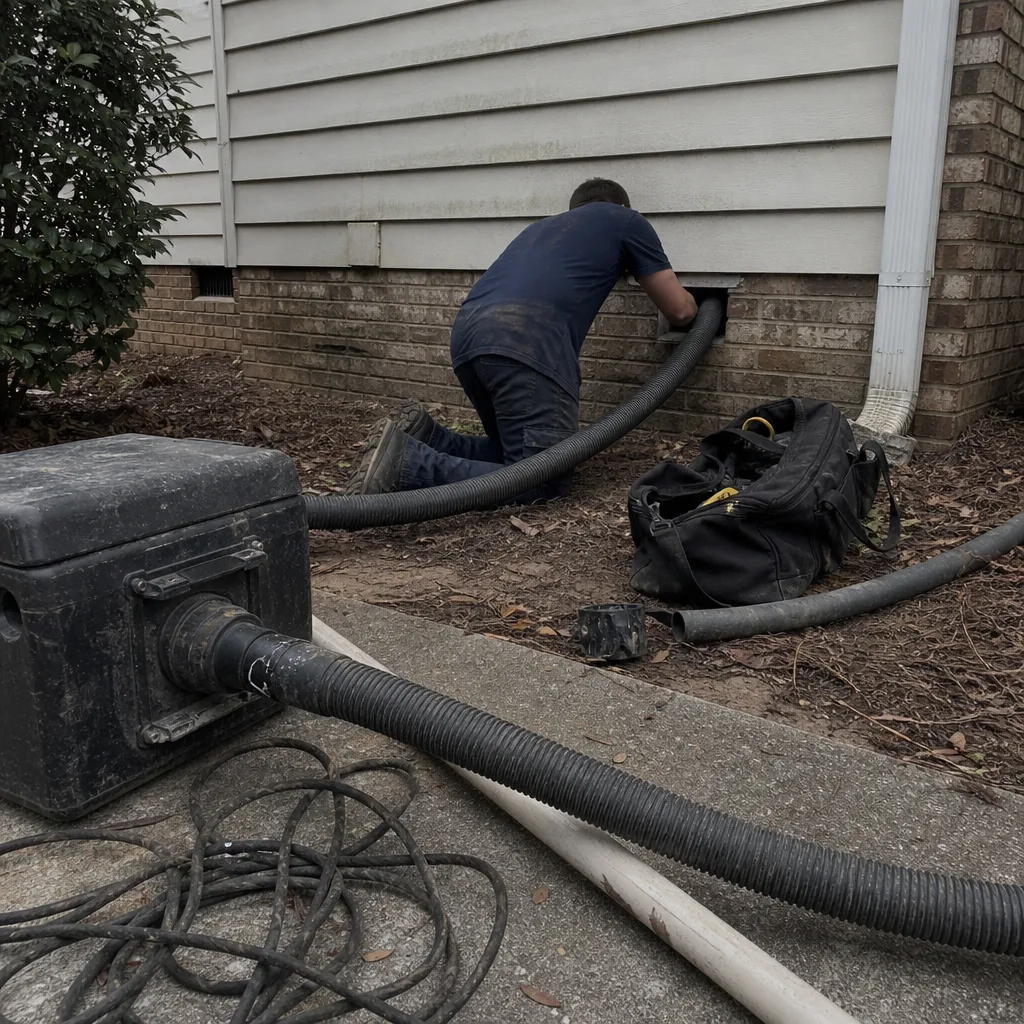
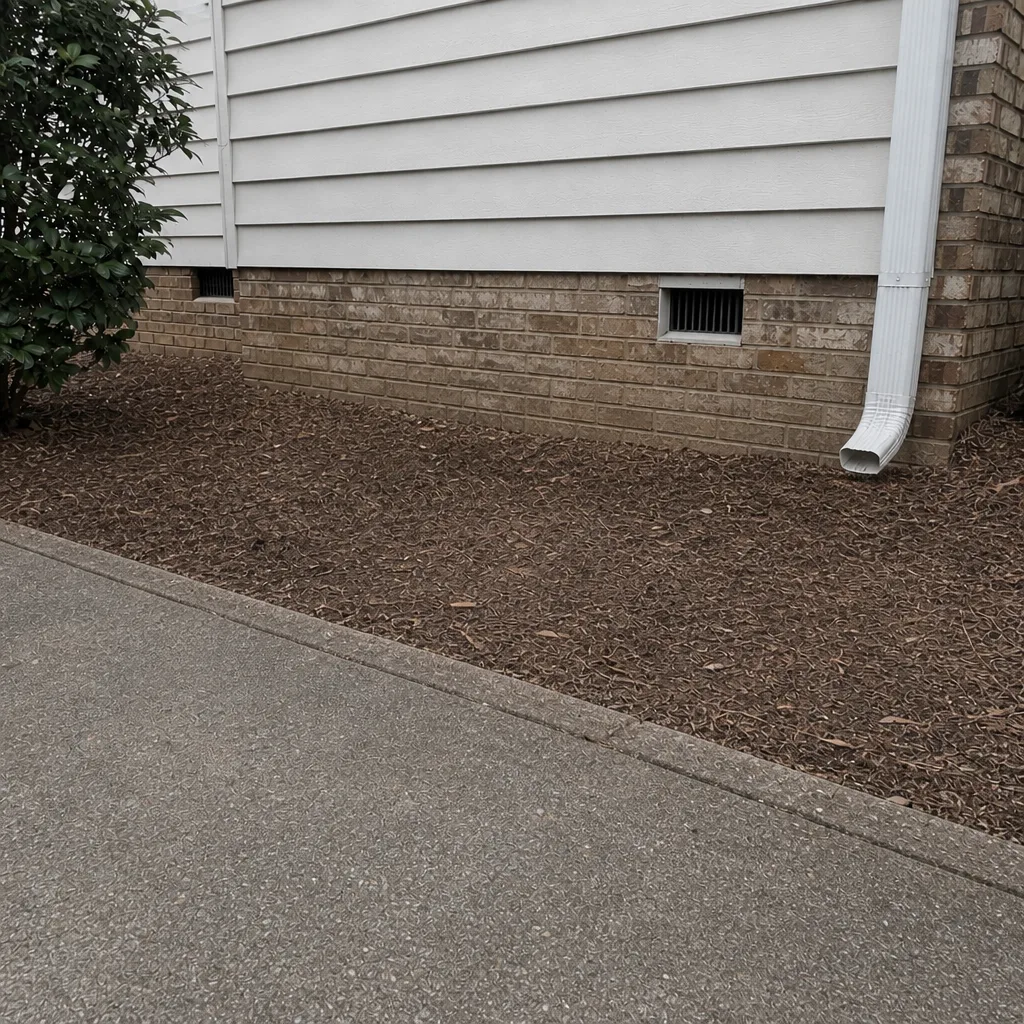
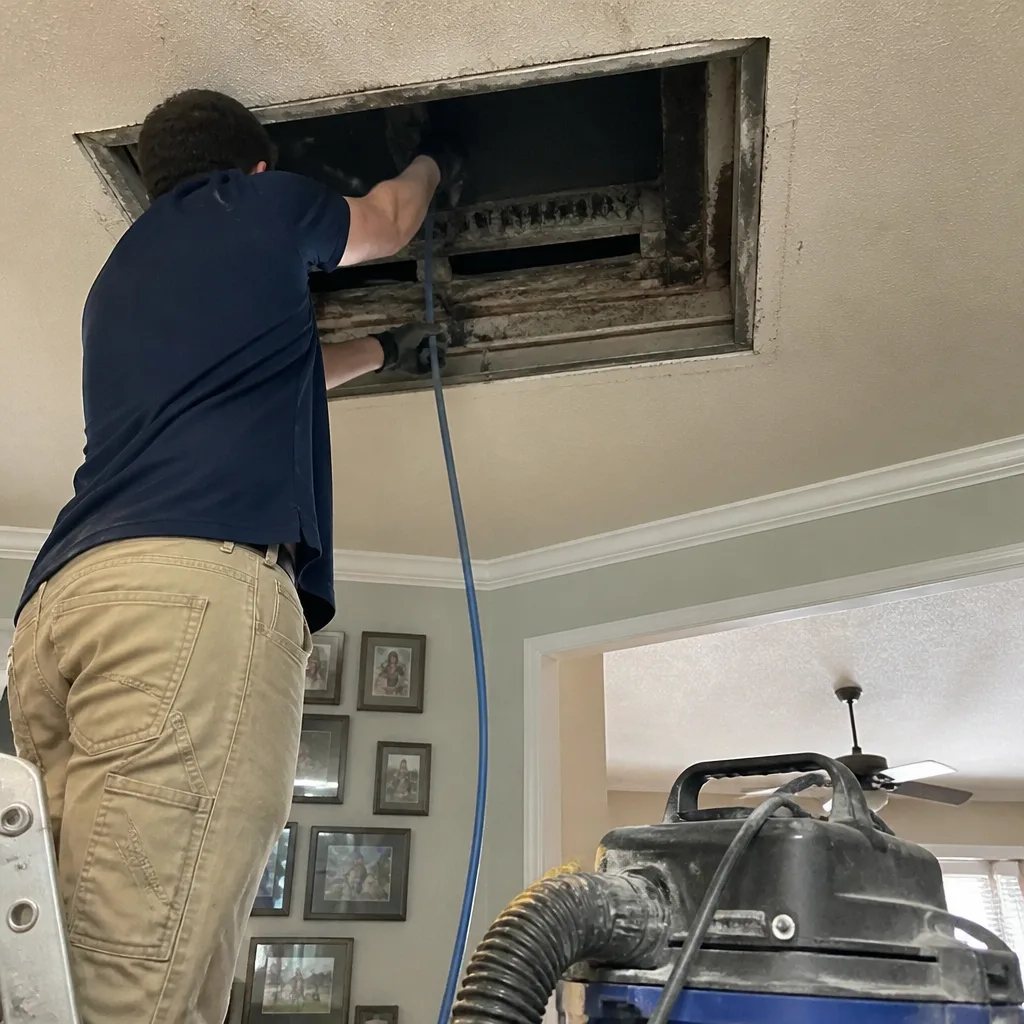
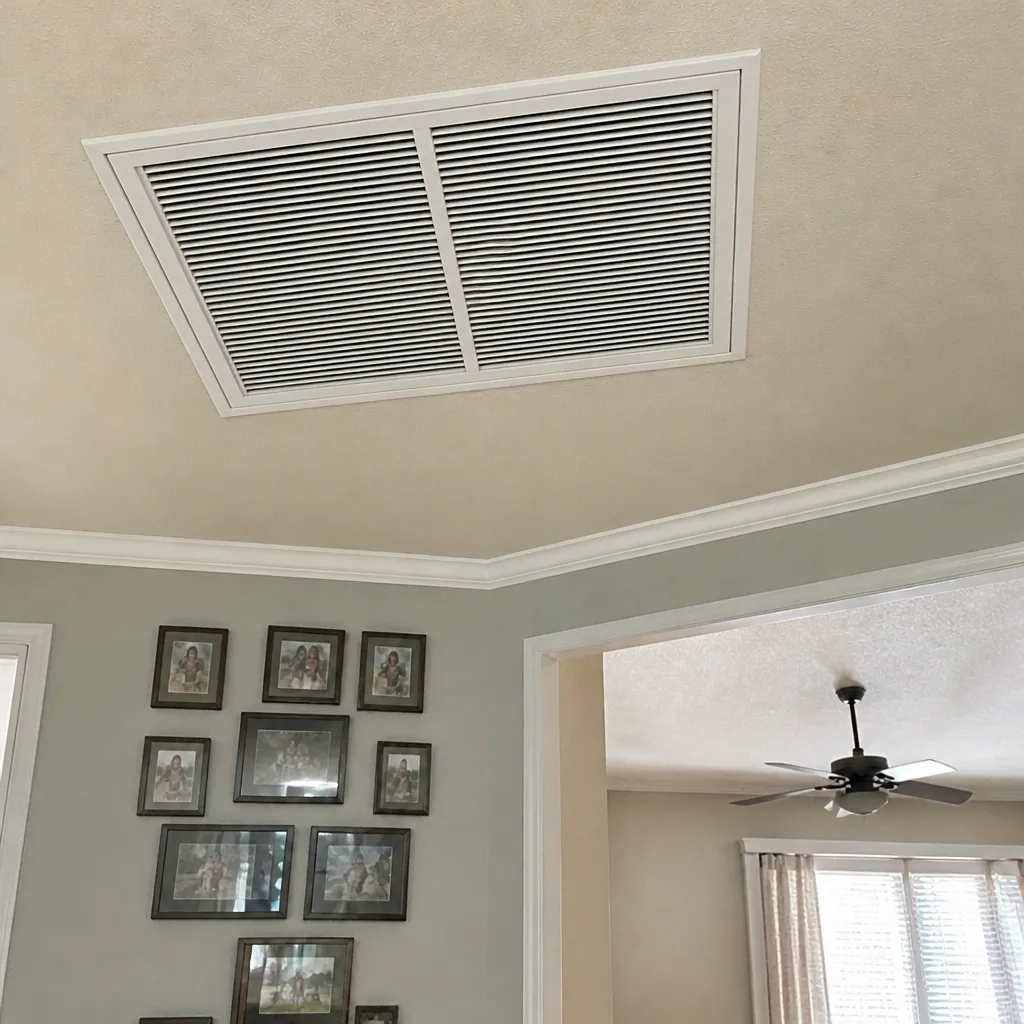
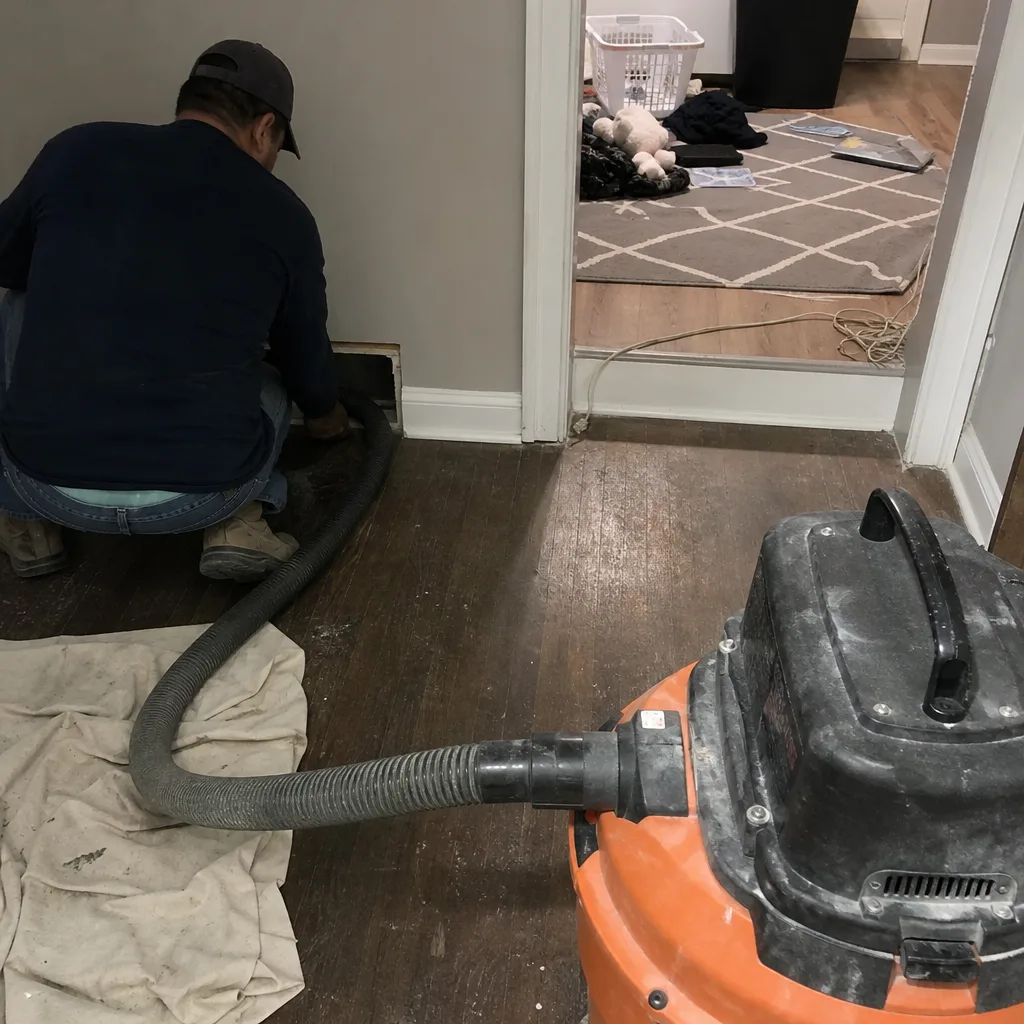
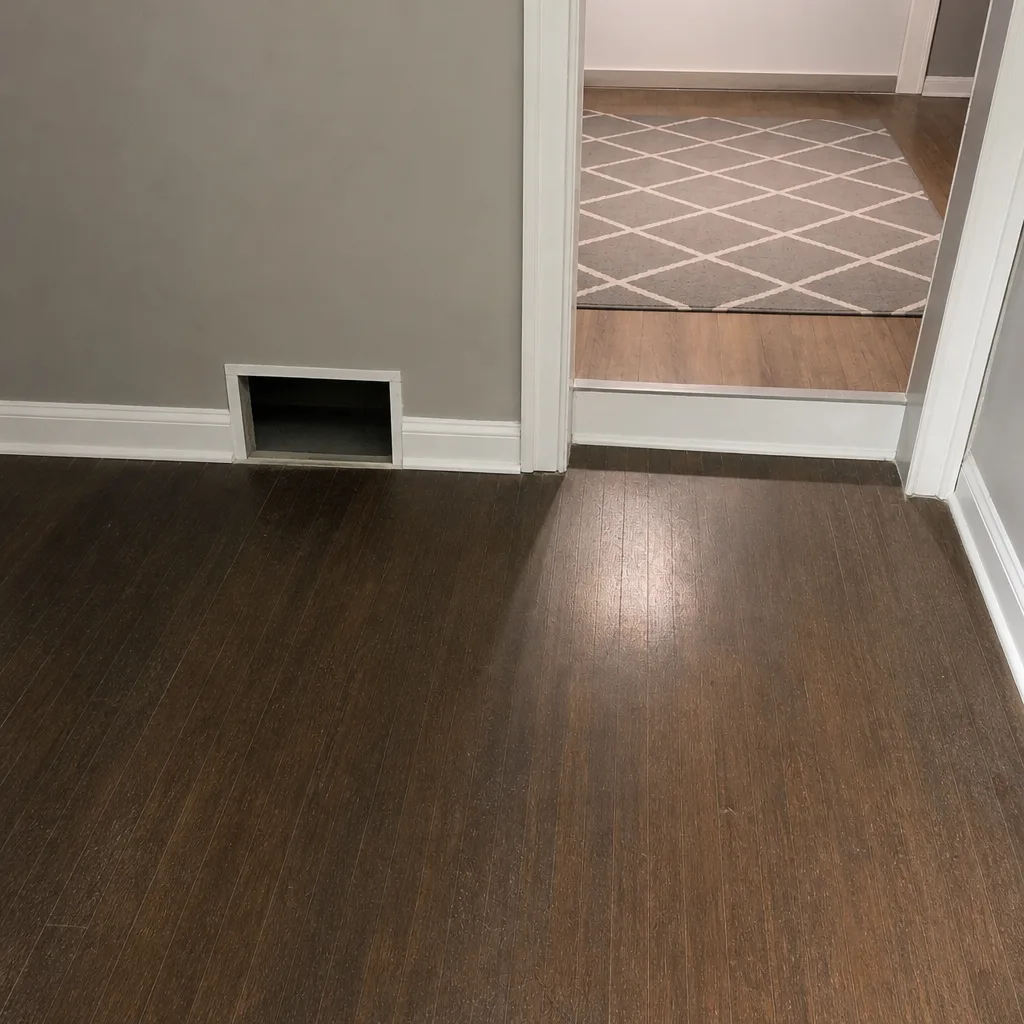
Whole-system duct and dryer vent check with before-and-after photos - you see exactly what came out of your vents
That "$99 whole-house special" is a bait ad - the real number appears once they are in your hallway, or the "clean" is a shop-vac at the register. We photograph the inside of your ducts before and after instead.
Air Duct Cleaning Emergency Preparedness Guide for Columbia Homes
Most homeowners in Columbia worry about the roof during a storm. The real damage usually hides lower down. When tropical weather stalls over the Midlands, water creeps into crawlspaces and saturates the flexible duct insulation routed there, or wind-driven debris punches through a return plenum and pulls outdoor air straight into the system. Within 48 to 72 hours, that moisture becomes an active mold substrate, and every time the air handler runs, it carries contamination into the rooms you sleep and eat in. This guide covers what to do before, during, and after a storm event: how to isolate your system safely, how to document conditions for insurance, and how to tell a real inspection from a visual-only walkthrough.
Quick Answer
After any flooding, tropical weather, or ice storm event in Columbia, shut the HVAC system off at the thermostat and the breaker before you run it, then have the duct system assessed for moisture, insulation integrity, and debris infiltration within 72 hours. A professional assessment uses video scope, moisture readings, and insulation checks, not a flashlight walkthrough, because the damage that matters is almost always concealed in the crawlspace or inside the duct run.
Styles & brands we work with
- Whole-home duct cleaning
- Dryer vent cleaning
- Camera inspection
- Sanitizing & deodorizing
Table of Contents
- Why Columbia’s Storm Patterns Hit Duct Systems Harder Than Most
- Post-Storm Duct Assessment Checklist for Columbia Homes
- How to Safely Shut Down and Isolate Your HVAC After Flooding
- The 72-Hour Window: What Can Be Dried and What Must Be Replaced
- What a Legitimate Emergency Duct Inspection Actually Includes
- How to Pre-Document Your Duct System Before Storm Season
- Repair vs. Clean: When Storm Damage Means More Than Vacuuming
- Wildfire Smoke Events and What They Leave Behind in Columbia Ducts
Why Columbia’s Storm Patterns Hit Duct Systems Harder Than Most
Columbia sits in the Midlands, which means it catches the inland tail of tropical systems tracking up from the Gulf and the Atlantic, plus the ice storm patterns that form when cold air from the north meets Gulf moisture. Both events create the same problem for a home: water where water doesn’t belong. In this part of South Carolina, most homes run their ductwork through unconditioned crawlspaces and attics. That’s normal construction for the region, but it means the ducts are outside the building envelope, where they’re exposed to whatever the weather does underneath and above the house.
Tropical weather brings days of steady rain and saturated ground, and the crawlspace vapor barrier can only do so much. Ice storms produce a different hazard: branches come down, gutters fill, and wind-driven rain finds its way into attic returns and cracked plenum connections. Some of the most common conditions we see after a storm event in Columbia include:
- Flexible duct insulation that has absorbed groundwater in the crawlspace and no longer performs as a vapor barrier
- Return plenums pulled loose or crushed by falling debris, allowing outdoor air and attic air to be drawn straight into the system
- Standing water beneath the vapor barrier that keeps relative humidity high in the crawlspace for weeks after the rain stops
- Debris (leaves, insulation fragments, grit) pulled into return runs through a damaged plenum connection
The pattern that catches homeowners off guard is this: the roof gets inspected, the siding gets checked, and the ducts never come up. But the crawlspace is where the moisture lives longest, and it’s the hardest place to see. If you want to understand how the broader Columbia climate affects indoor air quality year-round, that’s worth a read alongside this guide. Storm events just compress the timeline.
Post-Storm Duct Assessment Checklist for Columbia Homes
Once the storm has passed and it’s safe to walk the property, do a systematic pass before you turn anything back on. This checklist is what we’d recommend to any homeowner in Columbia who has had flooding, wind damage, or significant debris near the house.
- Check the crawlspace for standing water. Look under the vapor barrier, not just on top of it. If the plastic is floating or the soil beneath is saturated, the ducts above it have been in a high-humidity environment for hours.
- Inspect insulation on flexible duct runs. Compressed, sagging, or visibly wet insulation has lost its insulating value and may already be a mold substrate. Feel the outer jacket in several spots, not just one.
- Look for disconnected or crushed plenums. The return plenum is the weakest point in most systems. Falling branches, shifting attic insulation, or roof damage can crack it loose, and the system will pull attic or outdoor air instead of return air.
- Check for debris infiltration. Open a couple of supply registers and look inside. Leaves, grit, and insulation fragments indicate the duct system has been breached somewhere upstream.
- Smell the air at the return. A musty or earthy smell at the return grille after a storm is a strong indicator of moisture in the system. Smell is not diagnostic on its own, but it’s a signal worth acting on.
- Photograph everything you find. Before you move a wet insulation blanket or scoop debris out of a register, document it. This matters for the insurance section below.
- Don’t run the system until it’s been assessed. Running the air handler distributes whatever contamination is inside the system throughout the house, and it pressurizes a plenum that may already be compromised.
That last point is the one people skip. The instinct after a storm is to get the house comfortable again as fast as possible. Resist it until the system has been looked at.
How to Safely Shut Down and Isolate Your HVAC After Flooding
If water entered the crawlspace, the attic, or anywhere near the air handler, the first step is to stop the system before it distributes contaminated air. This is a safety step, and it’s simple. What follows is a careful sequence, not a DIY repair guide. Electrical work at the panel is something to leave to a licensed electrician if there’s any doubt.
- Turn the thermostat to OFF. Not to “heat” or “cool” at a low setting. Off. This prevents the blower from cycling on while you assess.
- Shut off the breaker feeding the air handler. At the panel, find the circuit labeled for the HVAC system and switch it off. If the panel itself has been wet or is in a flooded area, do not touch it. Call an electrician instead. Electrical panels and standing water are a genuine hazard.
- Close the return grilles if you can. This limits the draw of contaminated air into living space if the system is somehow re-energized.
- Do not run a fan or dehumidifier inside the duct system. Portable fans aimed at wet insulation in the crawlspace are fine, but forcing air through the ducts before they’re assessed spreads contamination.
- Call for an assessment before you re-energize. A professional can confirm the system is safe to restart and is drawing clean air.
We answer 24/7. If a storm has compromised your system and you’re not sure whether to run it, call (866) 942-9804 and we’ll walk through the shutdown with you. Fast dispatch from 7am to 7pm, Sunday through Friday.
The 72-Hour Window: What Can Be Dried and What Must Be Replaced
The 72-hour window after moisture intrusion is the rough dividing line in duct remediation. Materials that stay wet for more than two to three days in Columbia’s warm, humid conditions give mold a real foothold, and once that happens, the material is a substrate, not salvage. The exact cutoff varies with temperature, airflow, and how wet the material got, but the principle holds: the clock is running.
What can usually be salvaged
- Sheet metal duct runs that are intact and can be cleaned, dried, and mechanically disinfected. Metal doesn’t absorb water, so it dries well if air can move through it.
- Rigid ductboard where only the surface got damp and the interior is dry. Each case depends on moisture readings.
- Duct interiors with surface debris from wind infiltration, provided the source of the infiltration is repaired first.
What usually needs replacement
- Flexible duct with saturated insulation. The insulation is a sponge. Once it’s wet, it stays wet, and the inner liner traps moisture against the duct wall.
- Any duct material with visible biological growth inside the run. Cleaning a colonized liner doesn’t fully remove the substrate.
- Crushed or collapsed duct sections from debris impact. Airflow restrictions are an efficiency and comfort problem that cleaning can’t fix.
- Wet vapor barrier and saturated crawlspace insulation that hold humidity against the duct system after the water has been pumped out.
For insurance purposes, you need documentation before any of that material gets moved or thrown away. That means photos, moisture readings, and a written condition report that identifies what was wet and for how long. Some policies will cover duct replacement after a covered storm event; others won’t. Either way, you can’t claim what you can’t show. This is also where Hartwell Air Duct Cleaning can help, because we document conditions and repair what needs repair, rather than referring the structural work out to a second contractor.
What a Legitimate Emergency Duct Inspection Actually Includes
Not every “inspection” catches storm damage, because the damage is usually concealed. A visual-only walkthrough that peers at a couple of registers and calls it done will miss saturated insulation in the crawlspace, a disconnected plenum in the attic, and moisture in a duct run the technician didn’t scope. A legitimate assessment includes these elements:
- Video scope of the main trunk and accessible branch runs. This is how concealed debris, biological growth, and liner damage get identified. If a company doesn’t carry a scope, they’re guessing.
- Moisture readings at multiple points. A pin or pinless moisture meter on the duct jacket, insulation, and nearby building materials gives a numerical baseline. “Feels dry” isn’t a reading.
- Insulation integrity check. Compression, separation, and visible sagging all matter. Wet insulation will show up here before it shows up in the living space.
- Static pressure or airflow check. After storm damage, a crushed duct or a loose plenum changes the system’s pressure profile. Measuring it confirms whether repairs are needed.
- Crawlspace and attic walkthrough. The duct system isn’t just the duct runs. It’s the environment the runs sit in.
- Written report with photos. For insurance, for your own records, and for any repair scope discussion. If a company won’t put it in writing, that’s a signal.
We use Rotobrush contact-cleaning systems and Nikro negative-pressure equipment for the cleaning side of storm work, because those tools capture debris at the source rather than blowing it through the house. For source-removal filtration we work with Abatement Technologies and Guardsman products, which is a different methodology from surface vacuuming. That matters after a storm when the contamination is both particulate and biological.
How to Pre-Document Your Duct System Before Storm Season
The cheapest insurance is the documentation you do before the storm. Homeowners in Columbia who take an hour in early spring to photograph and record their duct system have a much easier time when a claim comes up, because they can prove what the system looked like before the damage. Here’s how to do it:
- Photograph every register and return. Take a wide shot and a close-up of each grille in its normal condition. Note the location and date.
- Photograph the air handler. The unit itself, the plenum connections, the filter slot, and any visible duct transitions.
- If you can safely access the attic or crawlspace, photograph the duct runs. Note the style of duct (flexible, rigid, ductboard) and whether insulation is intact. If access isn’t safe, skip it and have a professional do this during a routine service.
- Save receipts for any prior duct work. Cleaning, repair, replacement. Receipts establish the age and condition of materials.
- Write a one-page system summary. Where the air handler is, what the duct material is, how many supply and return runs you have, and anything you’ve noticed (drafts, uneven airflow, a register that never seems to blow hard).
- Store it digitally. Email the photos to yourself or save them in cloud storage so a wet house doesn’t destroy your records.
The value of this is straightforward: after a storm, it’s a comparison exercise. “Here’s what the system was before. Here’s what it is now. Here’s what needs to be repaired.” No argument, no scoping dispute. For a property manager overseeing several units in Columbia, spending a little time on this at each property before storm season is worth it.
Repair vs. Clean: When Storm Damage Means More Than Vacuuming
A standard air duct cleaning removes accumulated contamination. It doesn’t reconnect a plenum, replace saturated insulation, or rebuild a crushed duct run. After a storm, you often need both, and that’s the difference between a company that cleans and a company that also repairs. In our experience, the following conditions mean the job has moved past cleaning:
- Visibly disconnected or taped-over plenum connections. Once the seal fails, the system is drawing air from the wrong place. Cleaning won’t fix the seal.
- Crushed or collapsed flexible duct. Airflow restriction from physical damage requires replacement of that section.
- Wet insulation on flexible duct runs. The insulation needs to be replaced, not dried in place.
- Ductboard with visible biological growth beyond surface contamination.
- Duct runs that have shifted, separated at joints, or come loose from ceiling boots after wind or water damage.
This is where we do things a bit differently. Many duct cleaning companies stop at cleaning and refer the repair work out, which means two contractors, two schedules, and a scope gap where nobody’s fixing the actual problem. Our air duct repair service is in-house, so cleaning and structural fixes happen on the same visit. It’s the same principle for the other side of the system: dryer vent cleaning is its own service, not an add-on, because the exhaust path is a fire and efficiency concern regardless of what the supply ducts look like. Your ducts, your dryer vent, your air, all serviced by one call.
Wildfire Smoke Events and What They Leave Behind in Columbia Ducts
Smoke events from regional fires are a different kind of storm damage. There’s no water and no collapsed plenum, but the particulate load that lands in the duct system and on the blower wheel is real. Fine smoke particles pass through standard filters, settle on duct surfaces, and get pulled back into living space whenever the system runs. Homes with a damaged return plenum are hit hardest, because they’re pulling outdoor air directly.
Here’s what to do when a smoke event hits Columbia:
- Close up the house and set the system to recirculate if your thermostat supports it. Don’t draw outdoor air in if a return plenum is compromised.
- Upgrade the filter temporarily. A higher-MERV filter captures more smoke particulate, but only if your system can handle the increased pressure drop. Ask before you swap.
- Don’t run a whole-house fan or attic fan during the event. Both will pull smoke into the system.
- After the event, have the system checked. If the blower wheel and duct surfaces have accumulated smoke residue, cleaning restores airflow and reduces the smell.
Honeywell and Aprilaire whole-home air quality systems rely on clean ducts to do their job. A filtration system downstream of a dust-laden duct run is working against itself. Source removal comes first, filtration second.
Common Mistakes to Avoid
- Running the HVAC system “to dry it out” after flooding. Running the blower pushes contaminated air and moisture through the entire system. Shut it off first, assess, then run it.
- Treating a visual walkthrough as an inspection. If the technician never used a video scope or a moisture meter, concealed damage in the crawlspace or attic wasn’t assessed. Ask what tools they’re using.
- Waiting past 72 hours because “it feels dry.” Columbia’s humidity means duct insulation can stay wet long after a crawlspace looks dry on top. The moisture is in the material, not on the surface.
- Skipping the pre-storm photos. Without before photos, an insurance adjuster has to take your word about prior condition. Document first.
- Hiring a duct cleaner whose scope ends at cleaning. If the storm damaged the ducts structurally, you’ll need repair, and a cleaning-only company will hand that off. Ask up front whether they do repair.
- Ignoring the return plenum after ice storm debris. The plenum is the weak link. A branch on the roof can crack it without touching the visible duct runs.
- Cleaning before repairing. Cleaning a duct system with a disconnected plenum means the system immediately re-contaminates. Fix the integrity first, then clean.
See the difference
 Before
 After
 Before
 After
 Before
 After
When to Call a Professional
Call for an assessment if any of the following are true: water reached the crawlspace or attic during a storm; the HVAC system ran while the house was flooded; you’ve noticed a musty smell at any return grille; a branch or debris damaged the roof or attic near a return run; the system is blowing weakly or unevenly after a storm event; or you’re filing an insurance claim and need documented condition. Electrical panels, gas connections, and crawlspace work around standing water should always go to a trained professional; don’t handle those yourself. Hartwell Air Duct Cleaning offers free estimates in Columbia, call (866) 942-9804. We use professional-grade equipment, we document conditions with video scope and moisture readings, and we repair what needs repair rather than referring it out.
Frequently Asked Questions
Within 72 hours of any moisture intrusion, and sooner if the HVAC system was running during the flooding. The 72-hour window is roughly when wet insulation becomes a mold substrate in Columbia’s warm, humid conditions. Call (866) 942-9804 to schedule an assessment; estimates are free.
No. Shut the system off at the thermostat and the breaker first, then have it assessed. Running the air handler distributes contaminated air and moisture through the whole system. If the panel has been wet, don’t touch it; call an electrician, then call us for the duct assessment.
It depends on your policy and the cause of the damage, so call your insurer before work begins. What we can do is document the condition of your duct system with photos, moisture readings, and a written report so you have what you need to support a claim. Don’t throw away damaged materials before they’re documented.
Often they can be cleaned, but it depends on the material and how wet it got. Sheet metal duct that stayed dry inside and only has debris infiltration is typically cleanable. Saturated flexible duct insulation, crushed runs, and liners with visible biological growth usually need replacement. Video scope and moisture readings tell us which category you’re in.
An emergency inspection is diagnostic: video scope, moisture readings, insulation integrity, airflow measurement, and a written report. A regular cleaning is the actual removal of contamination. After a storm you need the inspection first to determine whether cleaning is enough or whether repair comes first.
We clean and we repair. Reconnecting plenums, replacing damaged duct sections, and fixing insulation are all in scope, so you don’t have to coordinate a second contractor for the structural side of a storm restoration. Call (866) 942-9804 and we’ll scope the whole job during the free estimate.
The Bottom Line
The most common storm damage in Columbia isn’t on the roof; it’s in the crawlspace, in the duct insulation, and behind a return plenum nobody checked. Shut the system down after any water intrusion. Get it assessed within 72 hours. Insist on a real inspection with a video scope and moisture readings, not a walkthrough. Document conditions for your insurer before anything gets moved. And before storm season, photograph your system so you have a baseline to compare against. If the ducts need cleaning, cleaning is right. If they need repair, we handle that too, because source removal and structural repair belong on the same job. Call (866) 942-9804 for a free estimate. We answer 24/7. Fast dispatch from 7am to 7pm, Sunday through Friday.
Written by the team at Hartwell Air Duct Cleaning.