
Last updated November 15, 2026
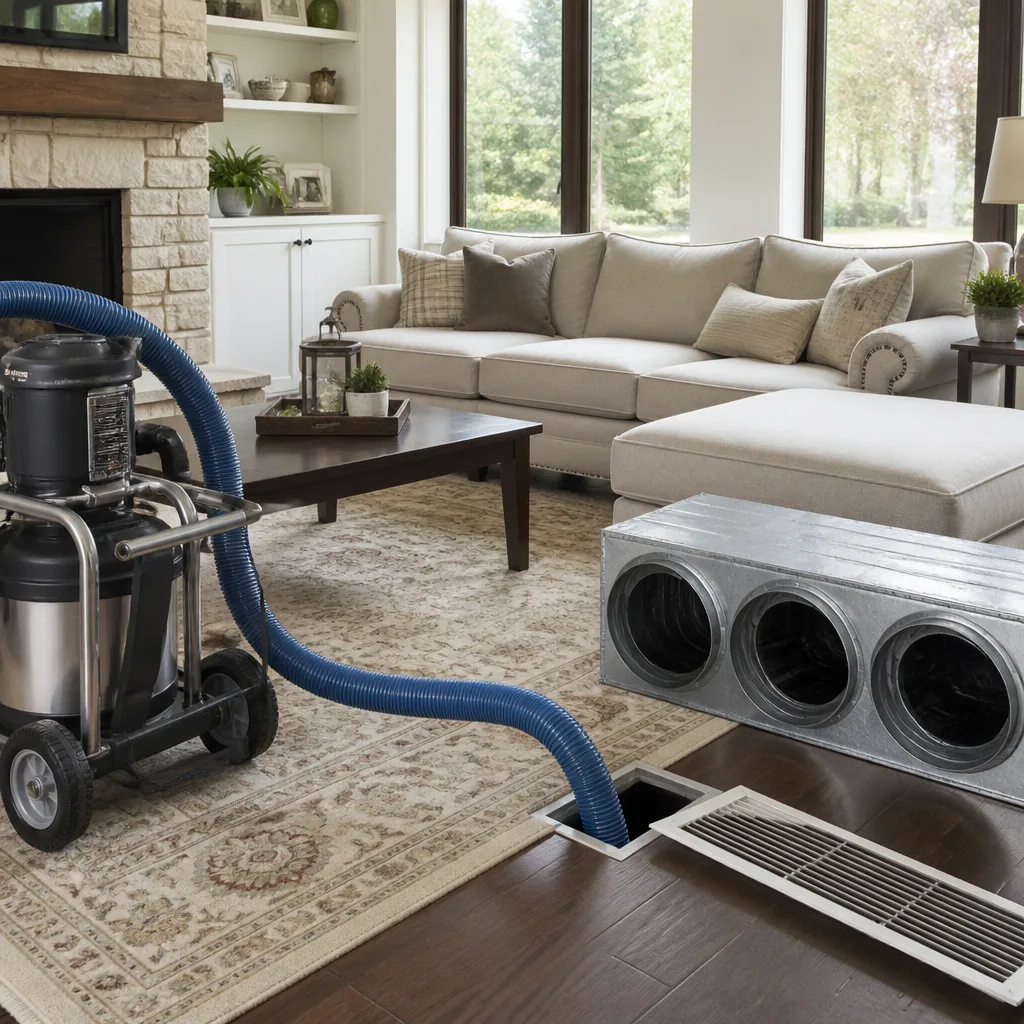 Whole-home duct cleaning
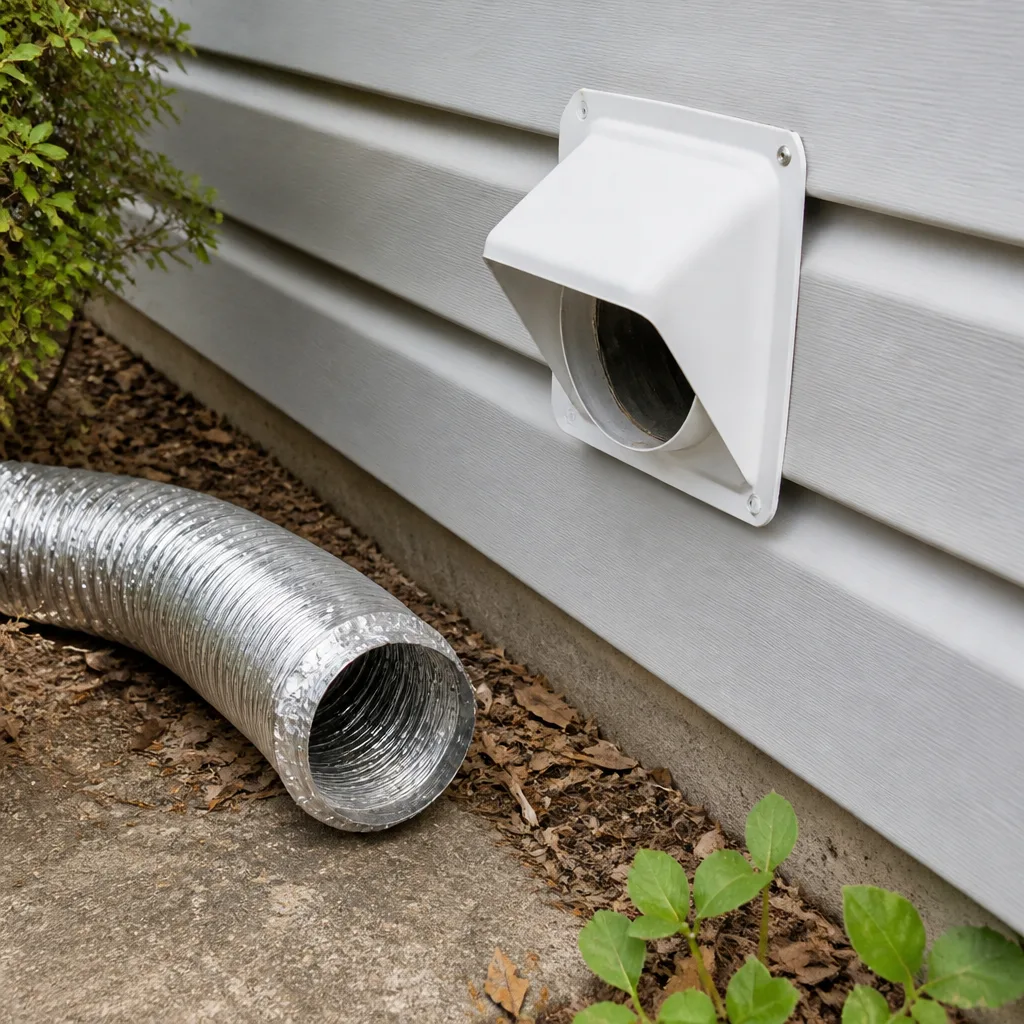 Dryer vent cleaning
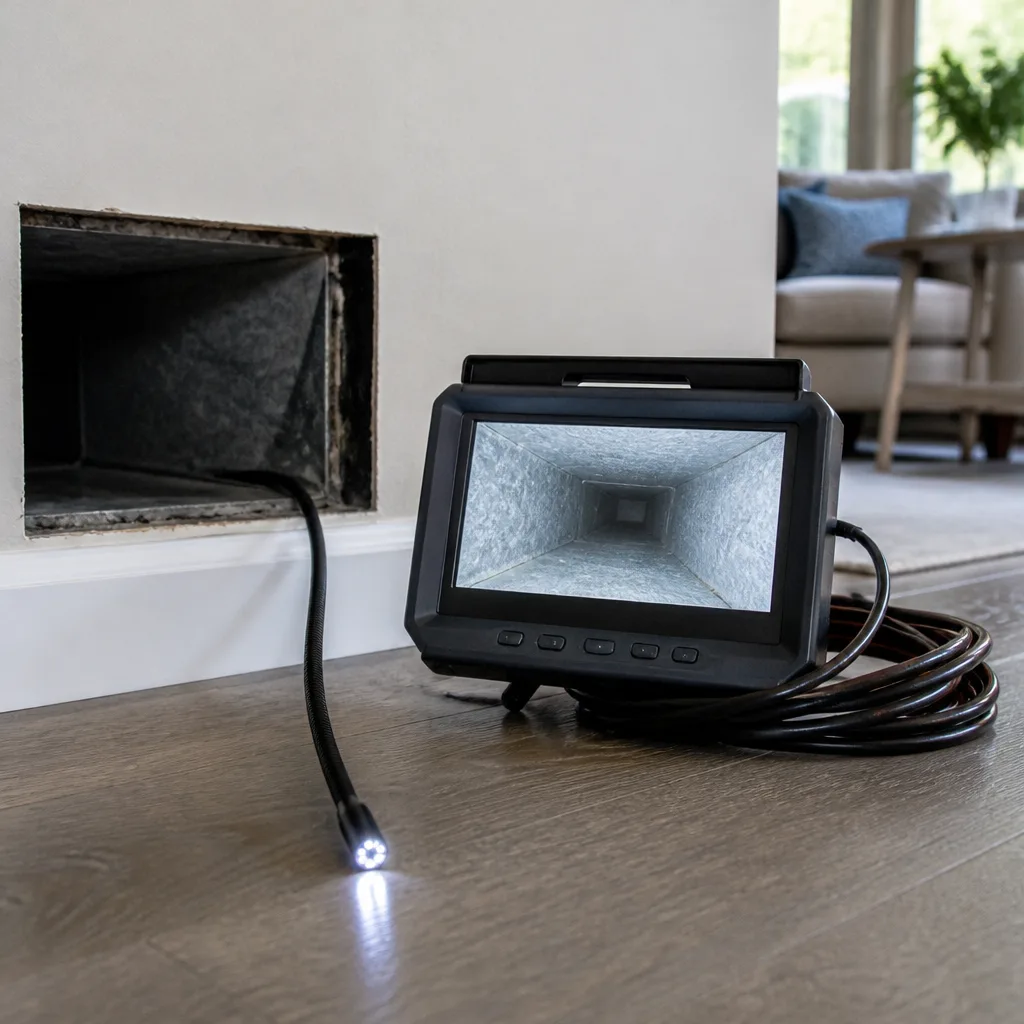 Camera inspection
 Sanitizing & deodorizing
Whole-system duct and dryer vent check with before-and-after photos - you see exactly what came out of your vents
That "$99 whole-house special" is a bait ad - the real number appears once they are in your hallway, or the "clean" is a shop-vac at the register. We photograph the inside of your ducts before and after instead.
Choosing the Right Air Duct Cleaning Brand: A Buyer’s Guide for Columbia
Most homeowners never ask what equipment a duct cleaning company uses. That single omission explains why a crew with a shop-vac and a coupon can charge close to what a contractor running a truck-mounted system charges, and why the results from the cheaper outfit often don’t last through a single heating season. The customer can’t see the difference until the dust settles back onto the registers. This guide changes that. We’ll walk through the recognized categories of professional duct cleaning equipment, name the manufacturer brands that signal real investment, show you how to verify capability from a written quote, and explain why equipment matters even more for duct repair than for cleaning. By the end, you’ll know what to ask any Columbia contractor before you let them near your system.
Quick Answer
The right air duct cleaning brand in Columbia is one that discloses its equipment by manufacturer name, operates source-removal and negative-pressure systems rather than consumer vacuums, and can handle repair work with the same crew that cleans. Ask for the equipment brand, the CFM rating, the brush system type, and whether the technician can demonstrate the setup before work starts. A contractor who answers those four questions clearly is worth the call. One who deflects to “we use the best equipment” is not.
Styles & brands we work with
- Whole-home duct cleaning
- Dryer vent cleaning
- Camera inspection
- Sanitizing & deodorizing
Table of Contents
- Why the Equipment Brand Matters More Than the Sales Pitch
- The Three Equipment Categories Every Contractor Should Have
- Manufacturer Names That Signal Professional-Grade Investment
- How to Verify Equipment Capability From a Quote
- Why Equipment Matters Even More for Duct Repair
- Questions to Ask a Columbia Contractor About Equipment
- What a Cleaning-Only Crew Looks Like
Why the Equipment Brand Matters More Than the Sales Pitch
Duct cleaning has no visible product. You don’t get a shiny new appliance at the end, and you can’t open a wall to inspect the inside of a trunk line. All you have is the technician’s word and, if you ask for them, before-and-after photos. That’s why the equipment brand is such a useful proxy for how seriously a contractor approaches the work.
Professional-grade contact-cleaning and negative-pressure systems from recognized manufacturers cost dramatically more than entry-level alternatives. A full truck-mounted vacuum setup represents an investment in the tens of thousands of dollars. A portable rotary brush kit from a home improvement store costs a few hundred. When a contractor puts that larger investment on the line, they’re signaling that the work itself, not the appearance of work, is what they’re selling.
In our experience, the equipment question sorts companies faster than any review score. A crew that drops several thousand dollars on a Rotobrush contact-cleaning system and a Nikro negative-pressure unit has a different relationship to the job than one that bought a shop-vac with a special attachment. Both can hand you a business card. Only one is set up to remove debris rather than stir it around.
This isn’t about brand snobbery. It’s about physics. Ductwork in Columbia homes accumulates dust, pollen, and debris that settles into every branch and joint. Removing it requires sustained airflow and agitation at the source. You can’t fake that with a portable vacuum. When you’re comparing quotes and the only difference is the number at the bottom, look again at what’s on the truck. Often the higher quote comes from the contractor who actually brought the equipment.
The Three Equipment Categories Every Contractor Should Have
Duct cleaning equipment breaks into three functional categories, and a genuinely capable operation should have all three available. If a contractor only carries one, they’re either subcontracting the rest or skipping the work entirely.
- Truck-mounted or high-capacity vacuum systems. These create the negative pressure that pulls debris out of the ductwork and captures it in a containment system. Portable units can work for small jobs but can’t sustain the airflow of a full truck-mounted setup. Ask about CFM rating (cubic feet per minute) before you book.
- Rotary brush agitation systems. Contact cleaning requires dislodging the material clinging to duct walls. Rotary brushes do that mechanically. A system that only vacuums without agitation leaves a film on the interior surface. The air duct cleaning process we run relies on agitation and extraction working together.
- Air whip or skipper ball tools. These specialized flexible tools spin inside the duct and knock debris loose from bends, transitions, and hard-to-reach branch lines. A crew without these is a crew that cleans the straight runs and leaves the tricky sections alone.
One more category worth mentioning even though it isn’t cleaning equipment: source-removal filtration from brands like Abatement Technologies and Guardsman. These systems capture fine particulate at the point of extraction, which matters because a negative-pressure setup without proper filtration simply relocates the dust into your living room air. If a contractor talks about “source removal” but can’t name their filtration, they’re using a marketing phrase without the gear to back it up.
Ask which of these three categories they carry, and specifically which manufacturer makes each. A capable operator will answer in seconds. A cleaning-only crew will pivot to price.
Manufacturer Names That Signal Professional-Grade Investment
Contractors who take equipment seriously usually name it without being asked. Here are the manufacturer families that show up in professional duct cleaning work, and why each matters.
- Rotobrush. The most widely recognized name in contact-cleaning systems for residential and light commercial ductwork. Rotobrush setups combine rotary brush agitation with a vacuum capture system and are the benchmark for the “clean the walls of the duct” approach.
- Nikro. A manufacturer of negative-pressure and HEPA filtration equipment used in restoration and abatement work. When you see Nikro in a contractor’s gear list, it signals they’re using containment-grade tools, not just a shop vac relabeled for a duct cleaning van.
- Abatement Technologies. Source-removal and HEPA filtration systems that come from the remediation world. These tools are built for capturing fine particulate rather than simply moving it around, which matches the “source removal, not surface cleaning” method.
- ProAir. A name associated with high-capacity negative-pressure and vacuum units suitable for larger commercial jobs and heavy residential systems.
- Honeywell and Aprilaire. Familiar names in residential air-quality systems, from whole-home media filters to humidifiers. A contractor who understands the ductwork these brands feed is working with the indoor air pathway rather than treating ducts as a standalone chore.
The pattern here is worth paying attention to. Every one of these manufacturers sells into commercial, restoration, or residential air-quality markets where buyers have technical expectations. The equipment brand a contractor chooses is a mirror of the market they’ve decided to serve. In Columbia, where spring pollen and summer humidity push indoor air quality to the front of homeowner concerns, the difference between abatement-grade filtration and a consumer-vacuum setup is the difference between cleaning the air and simply reheating last week’s dust.
How to Verify Equipment Capability From a Quote
A written quote should tell you more than a price. Here’s how to read one for equipment signals, and what to say if it’s silent on the subject.
- Check for a CFM rating or vacuum specification. A capable contractor will state it. If it’s missing, call and ask. A truck-mounted unit will typically be in the thousands of CFM. A portable starter-kit vacuum will be a fraction of that.
- Look for a description of the brush system. “Rotary brush” or “contact cleaning” language means they’re agitating duct surfaces. “High-pressure air” alone means they may be blowing dust without capturing it. The words matter because the work matters.
- Ask whether the technician can demonstrate the equipment before work begins. A confident operator will show you the vac and the brush head when the crew arrives. If that request makes the conversation awkward, that’s information.
- Confirm that all debris goes into a contained capture system. Ask where the dust goes while it’s being removed. “We have a HEPA filter” or “we use a negative-pressure containment” are the answers you want. Silence is a red flag.
- Verify the branded manufacturer, not just a generic description. “Professional equipment” isn’t enough. Rotobrush, Nikro, Abatement Technologies, Guardsman, and similar names are checkable. Ask for the manufacturer names and cross-check them the way you would any other contractor credential.
Two minutes on the phone pre-qualifies the whole job. A company that answers these questions without hesitation is the one you want in your house. A company that gets vague, drops its price, or complains about the questions is showing you exactly how they’ll handle a real problem once they’re on site.
Why Equipment Matters Even More for Duct Repair
Cleaning equipment and repair equipment use two entirely different toolkits. A crew that only runs a rotary brush and a vacuum can leave clean ductwork, but they cannot fix a leaking joint, a separated run, or a crushed section of flex duct. That distinction matters when the underlying problem is degradation rather than accumulation.
Here’s what repair work involves and what equipment it demands:
- Mastic sealing. Duct mastic is a brush-applied or trowel-applied sealant that closes seams and connections. Contractors need the right applicators, curing knowledge, and access to reach the joints inside the system.
- Liner installation. Interior duct liners address erosion, condensation, and minor air-leak sealing. Installing them requires separate tools and materials from the cleaning equipment, plus the training to fit them without narrowing the airflow.
- Flex duct replacement. When a section of flex duct is torn, crushed, or disconnected, it needs to be cut out and replaced with matching diameter and airflow characteristics. That’s a reconstruction task, not a cleaning task.
In Columbia, this becomes more important than in some markets because many homes run insulated flex duct in unconditioned attics and crawlspaces. Summer heat and humidity cycling against winter cold works on those duct runs year after year. When a technician finds a sagging or disconnected run during cleaning, the question becomes whether they can fix it or whether they’ll hand you a phone number for someone else. Our approach is to handle Hartwell Air Duct Cleaning as a full pathway service, which means repair is in scope rather than referred out. One call covers cleaning and the structural fix.
Questions to Ask a Columbia Contractor About Equipment
Here’s a short script for your first phone call. Write these down before you dial, and listen for how fast the answers come.
- “What brand vacuum system do you run?” Rotobrush, Nikro, ProAir, or a similar professional manufacturer is the right answer. “We use industrial-grade” without a name is not.
- “What’s the CFM rating?” Capable contractors know this number the way a mechanic knows engine displacement. If they have to look it up, that’s still a reasonable answer. If they can’t provide it at all, keep calling.
- “Do you use rotary brushes or air whips?” Both is the ideal. One is workable. Neither means they’re vacuuming the surface, not cleaning the duct.
- “Do you do duct repair, or would I need to hire someone else?” Repair-in-house is the differentiating answer. If they refer repair out, you’ve just found the point where the cleaning job stops and a second contractor starts.
- “Can I see before-and-after photos of my own ducts when you’re done?” A contractor with real equipment takes photos without being asked. A contractor without it prefers not to.
- “Where does the debris go?” The answer should reference a contained capture system or HEPA filtration. Anything else means it goes into your air.
If a contractor answers four out of six clearly, that’s a real operation. Five or six and you’ve found a specialist. Two or three and you’re talking to a general handyman with a vacuum attachment. Zero and it’s time to hang up.
One more Columbia-specific question worth adding: “Do you also handle dryer vent cleaning?” The residential fire risk from lint accumulation is real, and a crew that only services HVAC ducts will refer you out. If you want the full indoor air pathway covered, include dryer vent cleaning in the same estimate.
What a Cleaning-Only Crew Looks Like
Not every company that advertises duct cleaning actually cleans ducts. Here are the signals that indicate a crew that hasn’t invested in professional equipment.
- The quote arrives before any question about your system. A real contractor needs to know duct type, layout, number of returns, and whether you have flex or rigid runs before pricing. A flat “we’ll do it for $99” is a script, not an estimate.
- The equipment brand comes up only when you ask, and it’s generic. “We use the best in the industry” doesn’t tell you anything. Professionals name their tools because they’re proud of what they’ve invested in.
- No before-and-after photos offered. Anyone serious about the work wants you to see what came out of your ducts. If the photos aren’t on their radar, the work probably isn’t either.
- No repair capability. When the crew finds a leak or a tear during cleaning, a cleaning-only outfit either ignores it or refers you to someone else. You wanted the problem solved, not documented and handed off.
- Extremely cheap entry pricing with a soft quote that grows on site. This is the classic bait-and-switch pattern. The low number is for the van to arrive; the real price lands after the equipment is unloaded and the crew is already inside.
- No mention of filtration or debris capture. Ask where the dust goes and watch the answer. If it’s not referenced against a HEPA filter or containment unit, it’s going into your air.
None of these signals is definitive on its own. But when a contractor shows two or three of them, the pattern is clear. They bought a starter kit and built a business around it. That may be a fine choice for someone else’s needs, but it isn’t the equipment capability you’re paying for.
Common Mistakes to Avoid
- Choosing on price alone. Cheaper quotes usually reflect cheaper equipment, not a better deal. Look at what’s on the truck before you compare numbers.
- Assuming a coupon price is the real price. In Columbia, low entry pricing is often a door-opener for a longer estimate once the technician is inside. Ask for the written estimate before anyone shows up.
- Booking a cleaning-only crew for a system with known leaks. If you suspect your ductwork is disconnected, sagging, or torn, ask about repair capability first. Cleaning through a leak just means the dust gets pulled into the attic.
- Skipping the equipment-question phone call. Five minutes on the phone rules out half the companies you were considering. Skipping that call is how bait-and-switch quotes get the appointment.
- Not asking for before-and-after photos of your own ducts. Generic stock photos do not prove work was done. Ask for photos of the actual ducts in your home, not a brochure image.
- Ignoring the dryer vent. Lint accumulation is a well-documented fire risk, and cleaning the ductwork without also servicing the dryer vent leaves a hazard in the same indoor pathway. A crew that offers both under one estimate is the crew you want.
- Skipping the return and trunk inspection. Many “cleanings” focus on visible registers only. The trunk lines and return plenum are where the majority of debris actually sits. Ask specifically whether those are cleaned.
See the difference
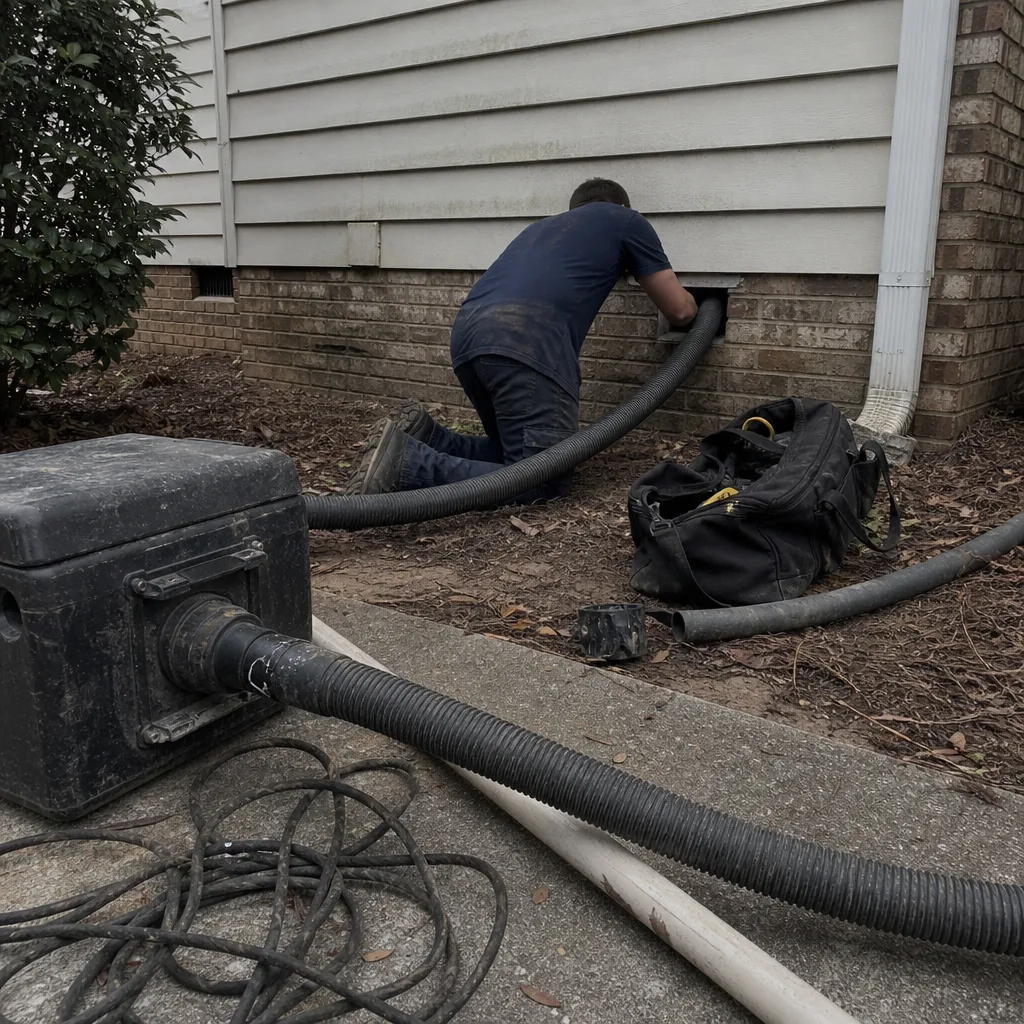 Before
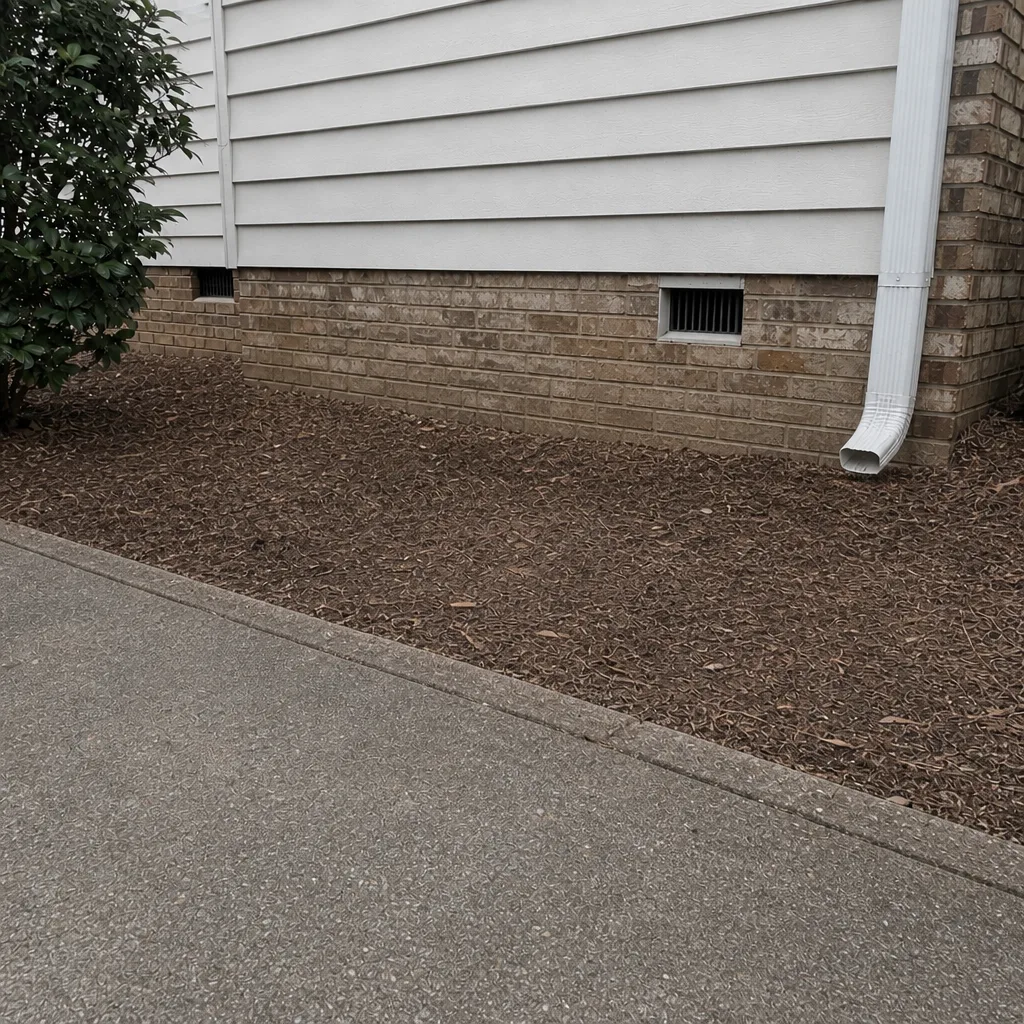 After
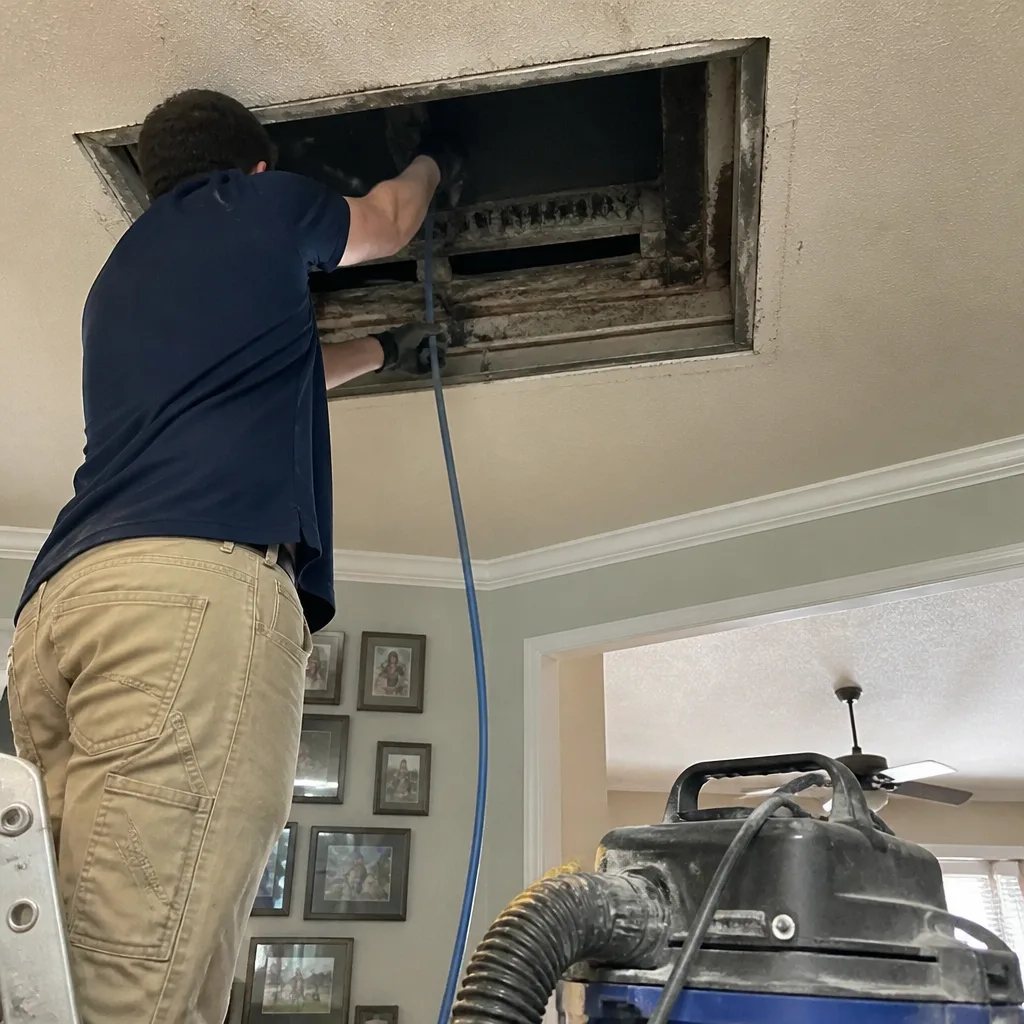 Before
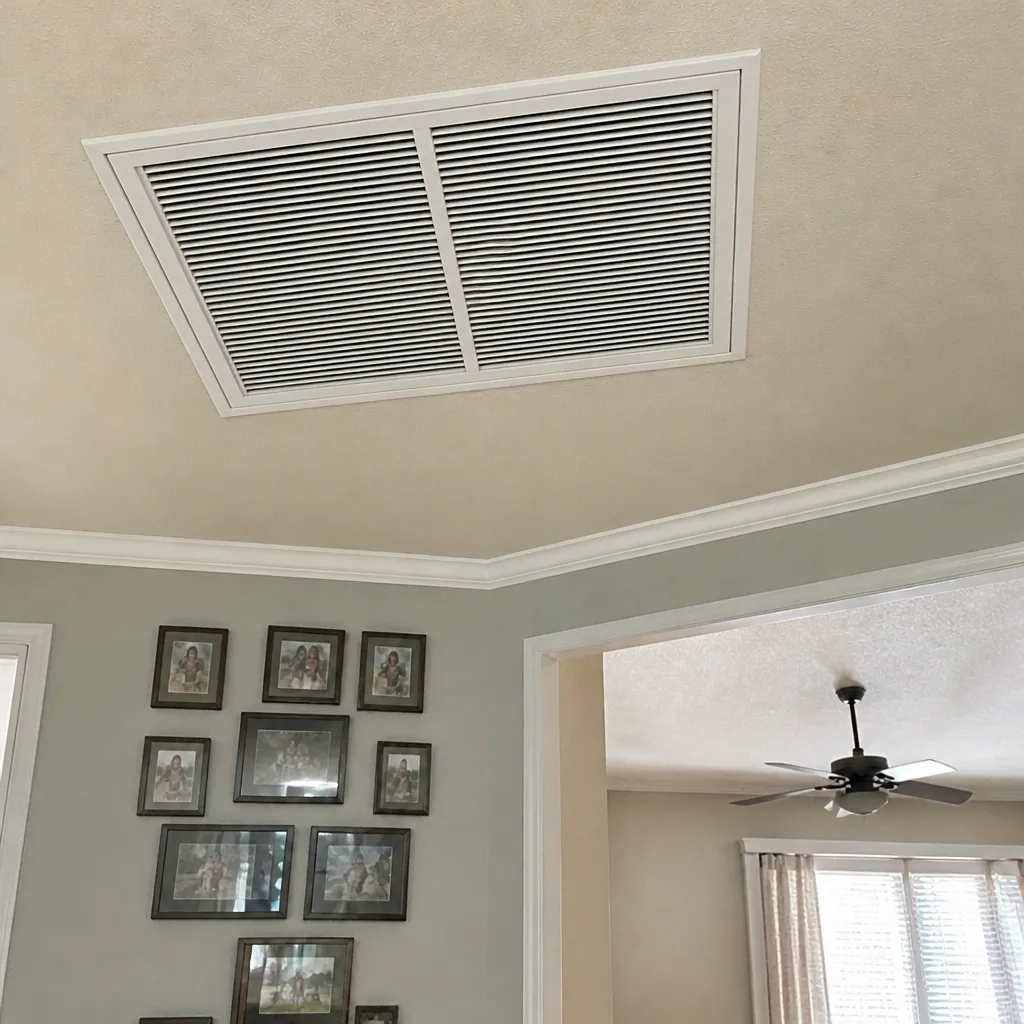 After
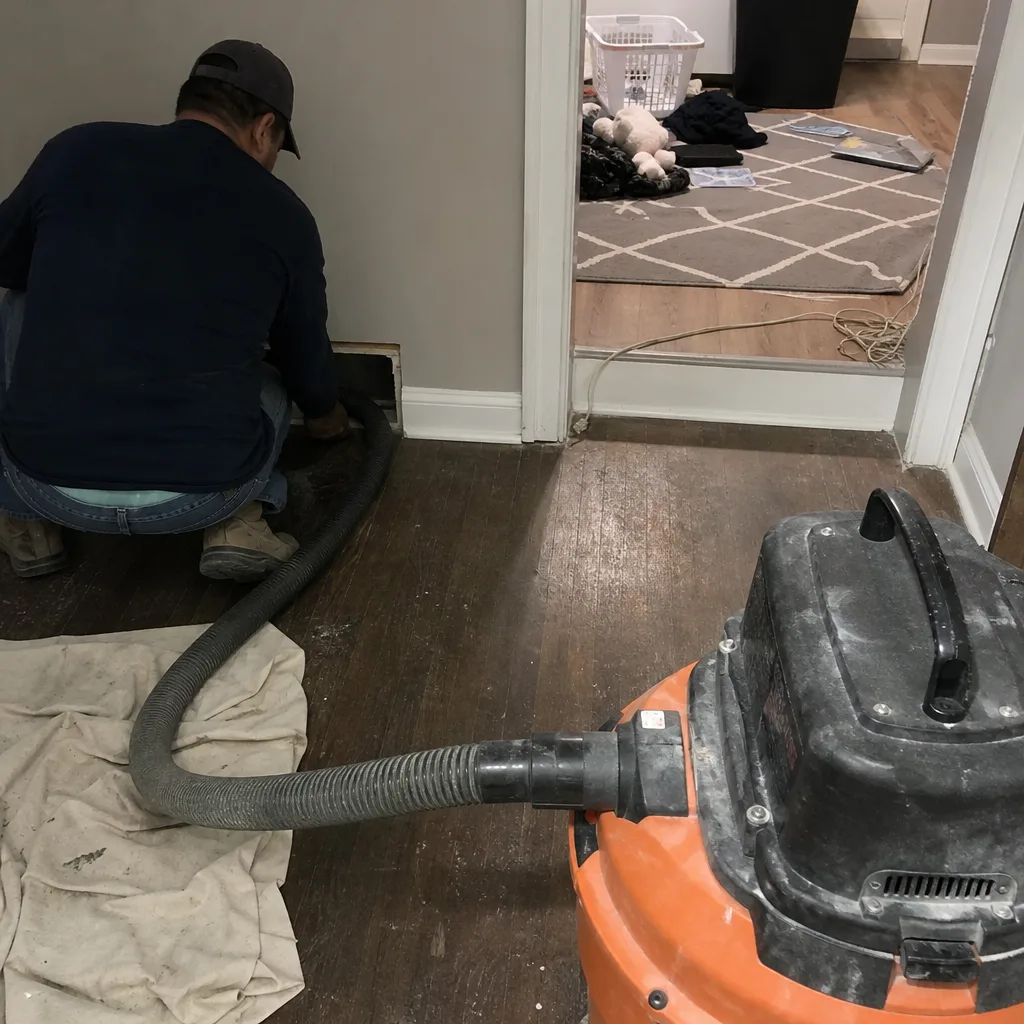 Before
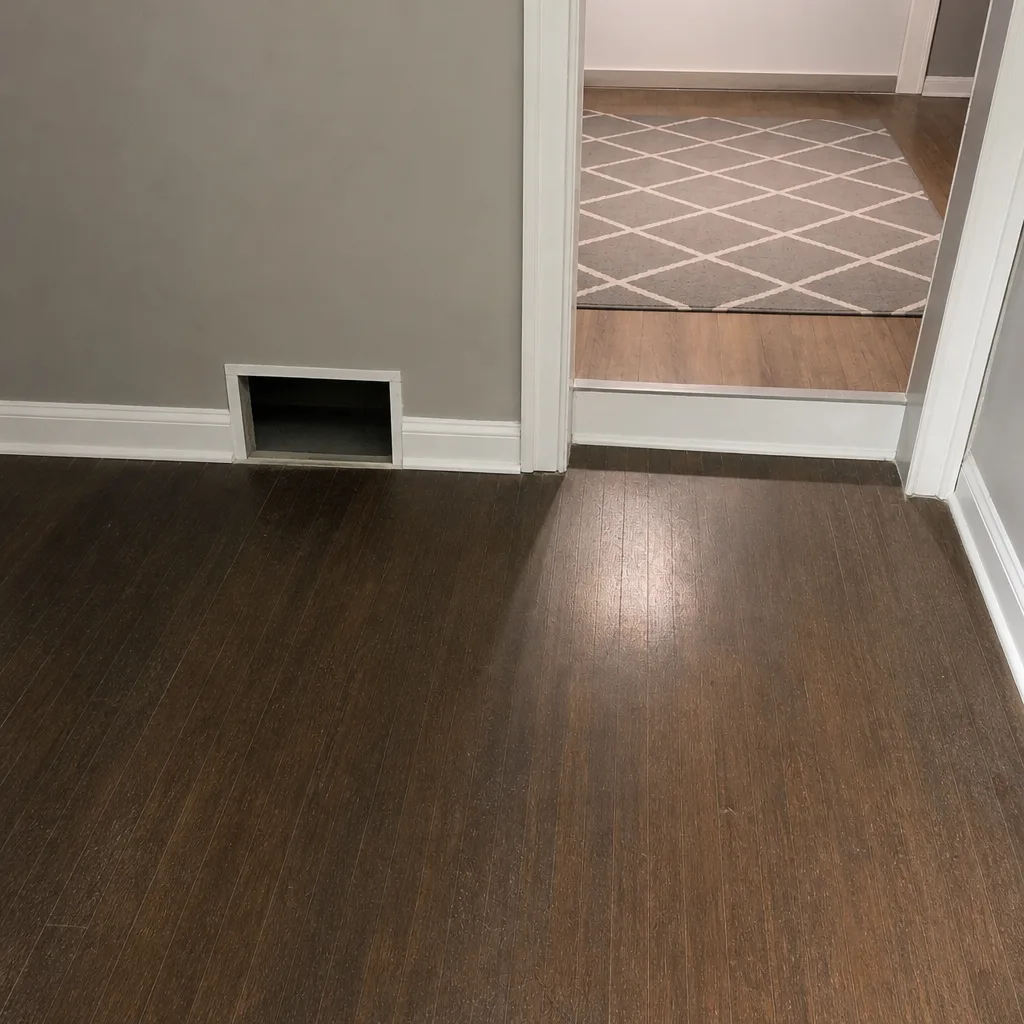 After
When to Call a Professional
Duct cleaning is not a routine annual chore, but specific conditions do warrant a professional call. Book an estimate if you notice musty smells when the system starts, visible dust blowing out of registers immediately after a filter change, higher-than-usual energy bills without a corresponding rate increase, or a system that keeps cycling without reaching the set temperature. Visual signals matter too: sagging flex duct in the attic, disconnected sections, visible dust trails at seams, or lint accumulation around the dryer vent do not fix themselves.
If you’ve recently finished a renovation or moved into a home that sat empty for a stretch, that’s another good reason to schedule an inspection. Construction debris and settled dust are common in Columbia homes with attic duct runs and seasonal temperature swings. Hartwell Air Duct Cleaning offers free estimates in Columbia – call (866) 942-9804. We answer 24/7. Fast dispatch from 7am to 7pm, Sunday through Friday. Our technicians have up to 11 years of experience, and every price is set per job by the written estimate before any work starts.
Frequently Asked Questions
Look for Rotobrush for contact-cleaning systems, Nikro or ProAir for negative-pressure vacuums, and Abatement Technologies or Guardsman for source-removal filtration. These are the names that signal professional-grade investment. If a contractor can’t name their equipment brand, treat that as a signal too.
Ask three questions: what brand of vacuum, what CFM rating, and whether they use rotary brushes or air whips. Capable contractors answer all three clearly. A contractor who gets defensive or pivots to price is telling you what they have. Call (866) 942-9804 for a free estimate from a crew that will answer those questions in plain terms.
Because the ducts don’t always come out clean with cheaper equipment – the surface may look better while the interior film and embedded debris remain. Professional contact-cleaning and negative-pressure systems remove material at the source. Consumer-grade vacuums can stir dust without capturing it. The visible difference may not show up for a season, but the results will.
Not necessarily, but you do need a contractor who can recognize when repair is needed. A technician without repair capability won’t flag a sagging run or a leaking joint because they can’t fix it. A contractor with repair tools on hand will show you what they find. That’s worth knowing before you book.
Yes. Cleaning uses vacuum, brush, and agitation tools. Repair uses mastic, sealant applicators, liner material, and replacement flex duct. These are separate toolkits and separate skills. A contractor who carries both is set up to solve the full problem rather than clean around it. Call (866) 942-9804 for an estimate that covers both.
Ask for before-and-after photos of your own ducts – not stock images. A contractor with professional equipment takes those as a matter of procedure. If they aren’t offered, ask. If they still aren’t produced, that’s your answer. Estimates are free, and we’ll walk you through exactly what you’ll get: (866) 942-9804.
The Bottom Line
Choose a duct cleaning contractor by the equipment they run, the way they talk about it, and whether they can repair what they clean. In Columbia, the differences between a professional operation and a startup crew are visible once you know where to look: brand names disclosed without being asked, CFM and brush specifications referenced in the quote, before-and-after photos of your own ducts, and one flat price per system agreed before work starts. Whether it’s air duct cleaning, dryer vent cleaning, or duct repair on the table, the equipment loadout tells the story. Take the phone call seriously and ask the six questions. The answers will sort the field for you.
Contact Hartwell Air Duct Cleaning
If you’re ready for a straight answer about your ducts, dryer vent, or duct repair needs, call us at (866) 942-9804 for a free estimate. We answer 24/7. Fast dispatch from 7am to 7pm, Sunday through Friday. Our technicians have up to 11 years of experience, and every price is set per job by the written estimate before we start. Professional-grade equipment, not a shop-vac and a coupon – and yes, we clean it and we fix it.
Written by the team at Hartwell Air Duct Cleaning.