
Last updated November 15, 2026
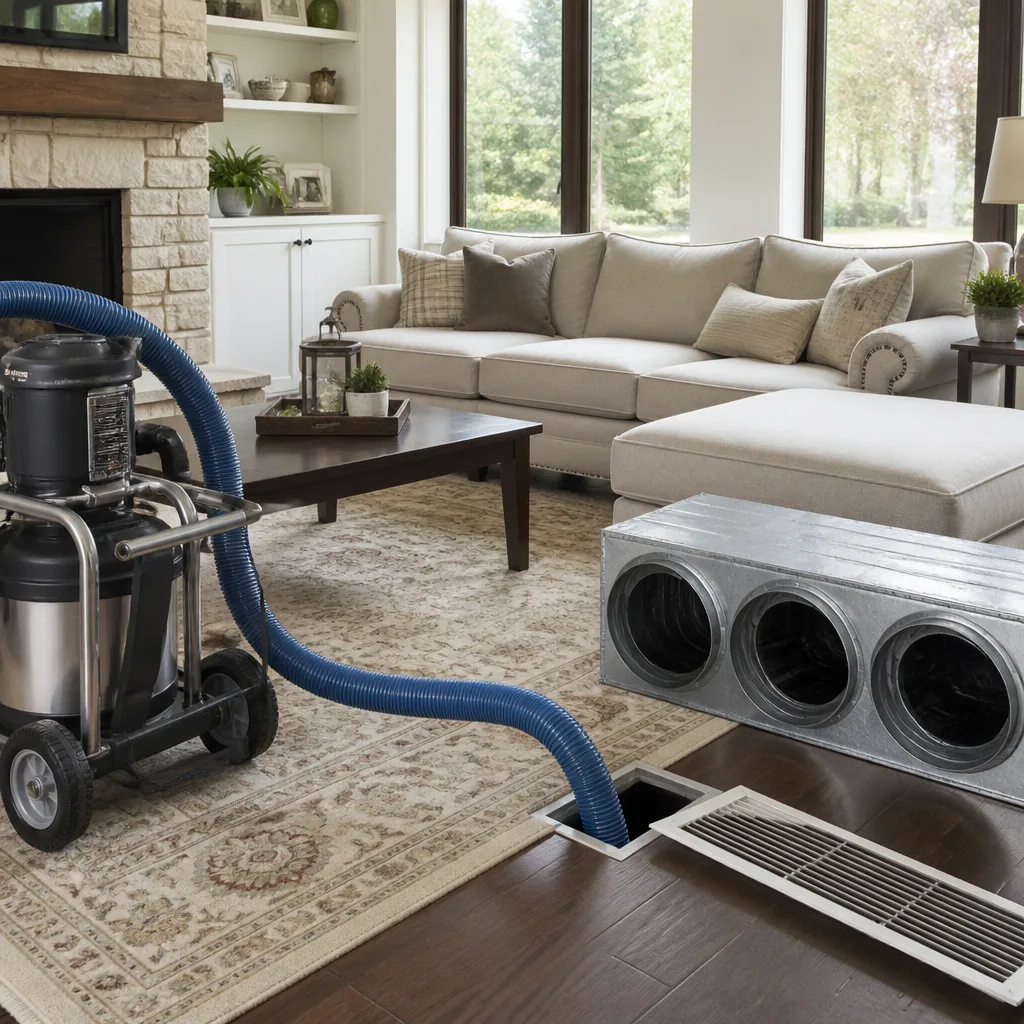 Whole-home duct cleaning
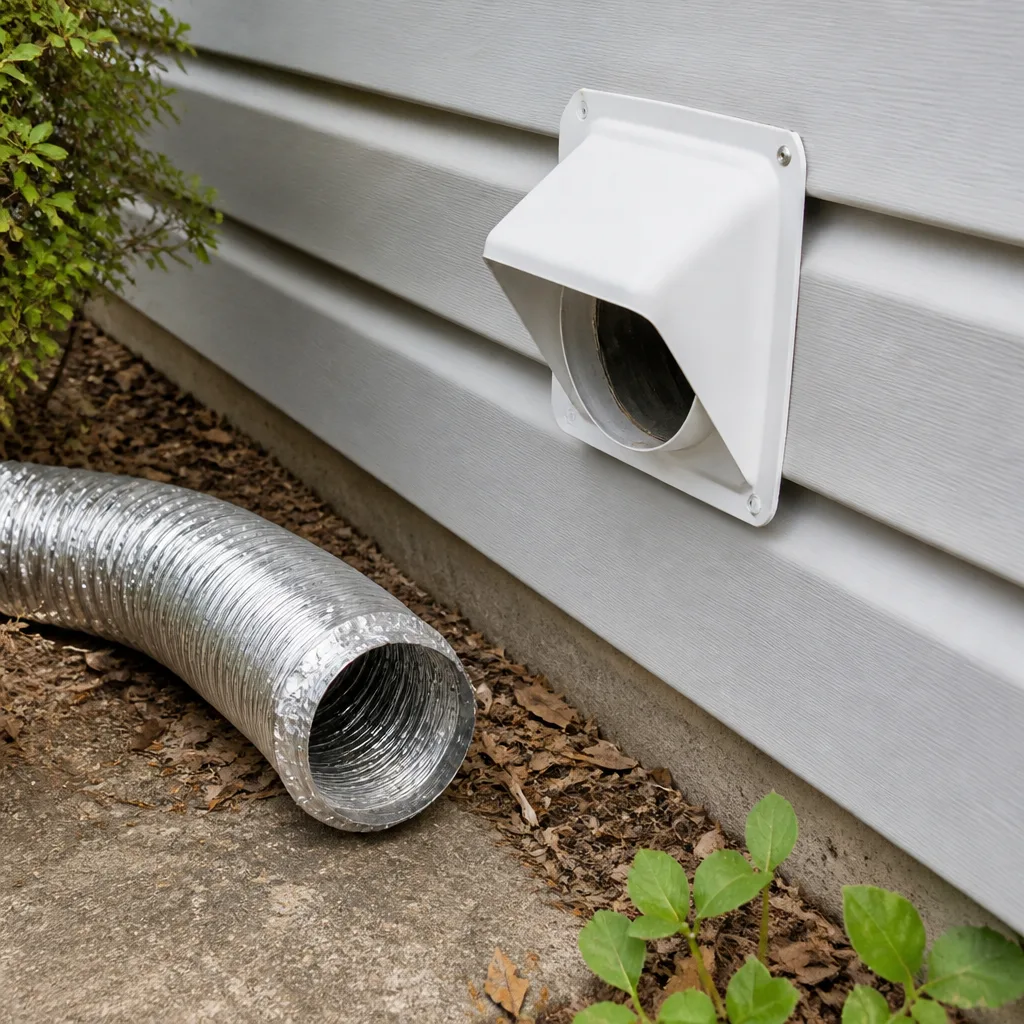 Dryer vent cleaning
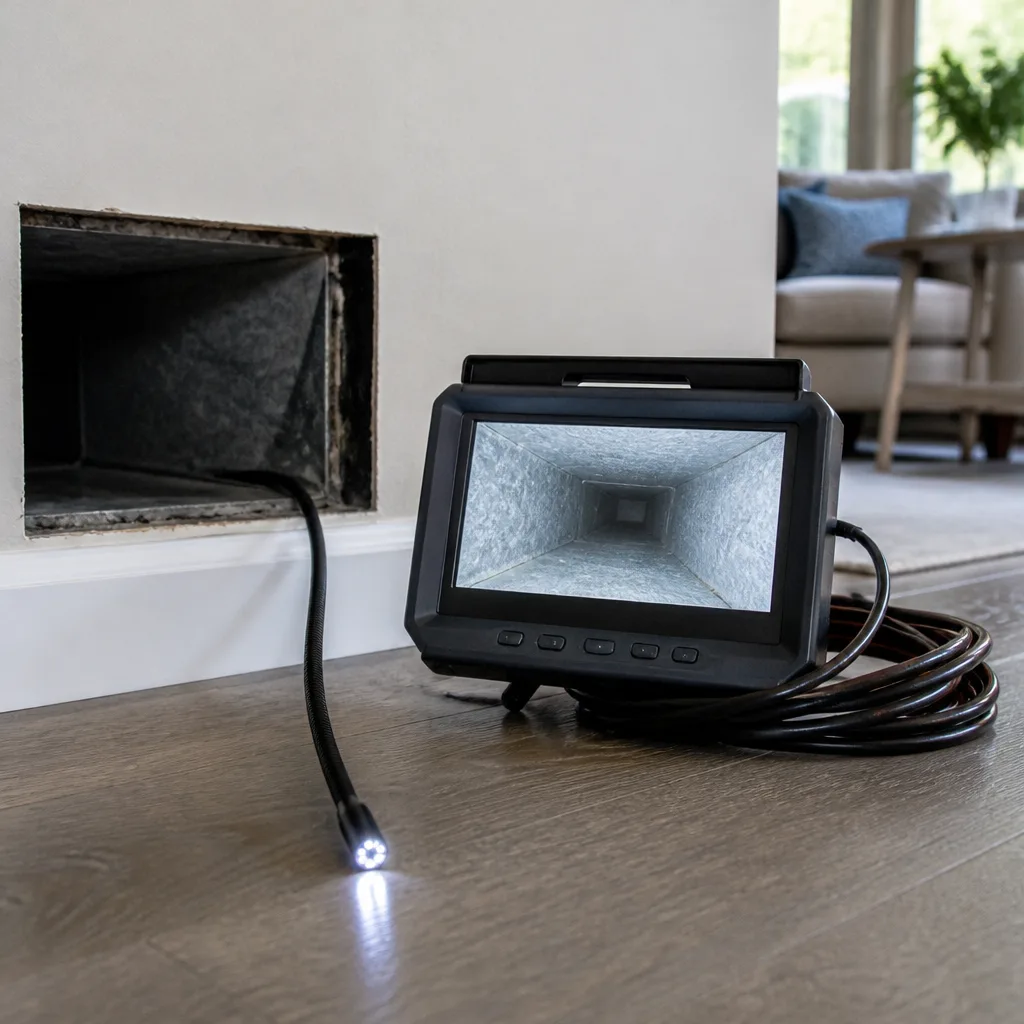 Camera inspection
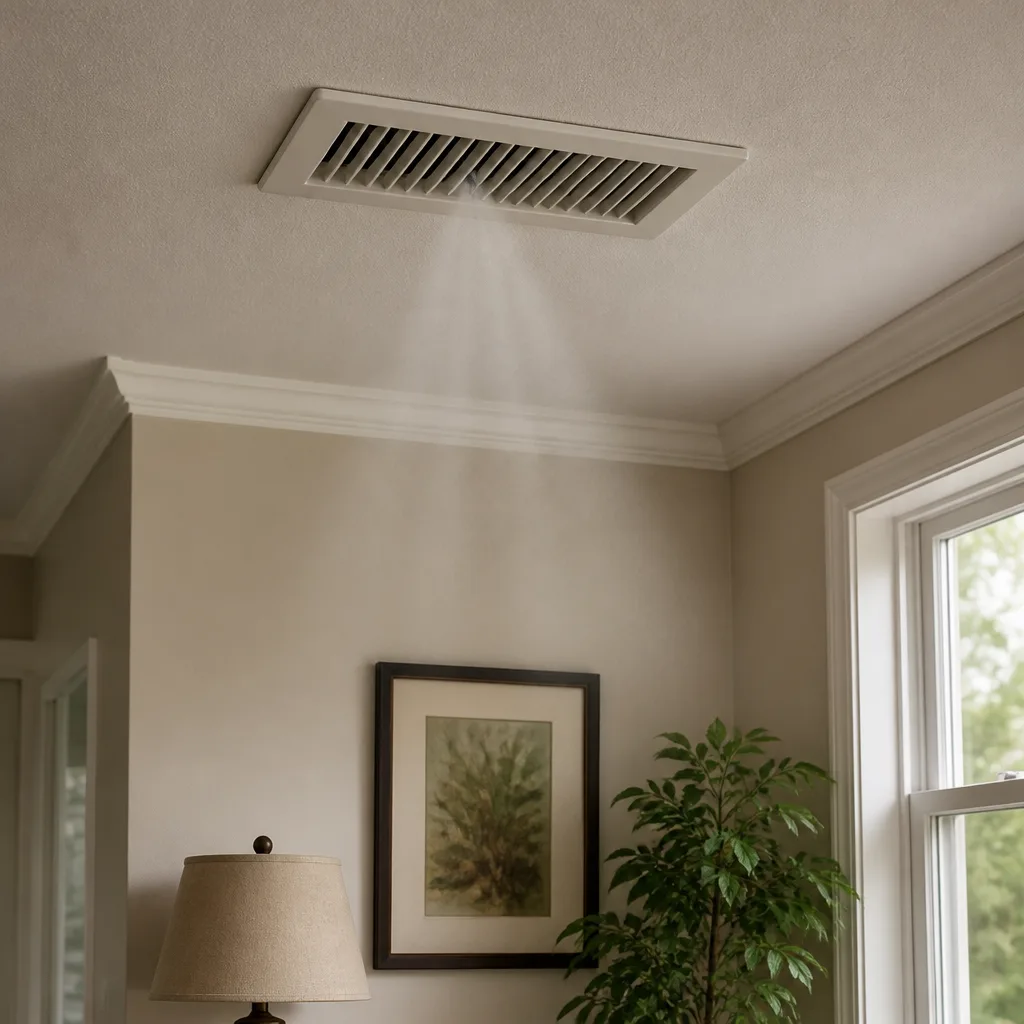 Sanitizing & deodorizing
Whole-system duct and dryer vent check with before-and-after photos - you see exactly what came out of your vents
That "$99 whole-house special" is a bait ad - the real number appears once they are in your hallway, or the "clean" is a shop-vac at the register. We photograph the inside of your ducts before and after instead.
The Complete Guide to Air Duct Cleaning in Columbia
Most Columbia homeowners assume the dust settling on their furniture means the ducts need a good vacuuming. It usually means something else: a system losing pressure, pulling air from a crawlspace, or carrying moisture it was never designed to handle. Columbia’s humidity sits above 70% for roughly half the year, and that single fact changes what duct debris actually is here. In a dry climate, dust mostly sits still. In Columbia, that same dust holds water and becomes a surface microbial growth can colonize. This guide explains how the local climate, construction eras, and HVAC design interact with your ductwork, what a legitimate cleaning actually involves, and why cleaning without fixing the root cause rarely holds. You’ll finish knowing how to judge a quote and what to ask before anyone touches your ducts.
Quick Answer
Air duct cleaning in Columbia means removing accumulated debris, moisture-fed buildup, and settled particulate from the supply and return pathways, using negative-pressure equipment and agitation tools rather than a shop-vac. It’s worth scheduling when you can see visible buildup, notice dust returning fast after cleaning, or suspect a leak pulling air from a crawlspace. Cleaning is maintenance and source removal, not a cure-all; if the system leaks or an oversized unit is short-cycling, the buildup comes back within 12 to 18 months until the underlying problem is fixed.
Styles & brands we work with
- Whole-home duct cleaning
- Dryer vent cleaning
- Camera inspection
- Sanitizing & deodorizing
Table of Contents
- Why Columbia’s Humidity Changes What’s Inside Your Ducts
- How Your Home’s Age and Construction Type Decide the Method
- Source Removal vs. Contact Vacuum Cleaning: What the Standards Require
- What a Legitimate Pre-Cleaning Inspection Should Document
- How a Professional Duct Cleaning Job Actually Runs
- Why Duct Repair and Cleaning Belong Together
- Dryer Vent Cleaning: The Other Half of the Air Pathway
- How Much Air Duct Cleaning Actually Costs in Columbia
Why Columbia’s Humidity Changes What’s Inside Your Ducts
Columbia’s subtropical climate keeps average relative humidity high for roughly half the year, and your duct system sits in the middle of that. A duct runs through an attic or crawlspace, pulls in humid air through even small seams, and cools it fast. Cool surfaces plus warm, damp air equals condensation. That moisture doesn’t just evaporate; it binds to the dust already coating the inside of the duct and turns loose particulate into a sticky film. Once that film forms, it traps more debris and feeds microbial growth, and ordinary vacuuming at the register can’t reach it.
This is the core reason generic cleaning advice written for drier parts of the country falls short in Columbia. National guidance assumes duct debris is loose and dry. Here it’s often damp and bonded, which means the cleaning method has to agitate with contact tools and hold the loosened material under negative pressure at the same time. A vacuum-only approach stirs the surface and leaves the film behind.
Our technicians have up to 11 years of experience working in this climate, and the pattern is consistent: homes that get cleaned and left alone see buildup return faster here than in drier markets. That’s not a sales point. It’s a maintenance reality tied to moisture. The equipment we use is professional contact cleaning and negative-pressure gear from Rotobrush and Nikro, the same class of tools found in commercial and restoration work.
How Your Home’s Age and Construction Type Decide the Method
The right cleaning method depends on what your ducts are made of and where they run, and Columbia’s housing stock varies enough that no single approach fits every home. A 1970s ranch with flex duct in a vented crawlspace is a different job from a newer build with rigid duct board and a sealed, conditioned attic. Choosing a method before inspecting the system is how cleaning crews damage ductwork and leave homeowners with a bill and no result.
Construction type drives several decisions:
- Slab vs. crawlspace. Crawlspace ducts in Columbia live in one of the dampest parts of the house. They’re more likely to have pulled in moisture and debris, and the cleaning plan has to account for that.
- Flex duct vs. rigid board. Flex duct has a plastic inner liner that’s easy to tear with the wrong tool. Rigid duct board can handle firmer agitation but is vulnerable to crushed or damaged sections that need repair, not just cleaning.
- Attic placement. Ducts in an unconditioned attic see the widest temperature swings and the most condensation risk at seams and boots.
- Sealed vs. vented assemblies. A sealed crawlspace or conditioned attic changes how much outside humidity the system pulls in, which changes how aggressive the cleaning needs to be.
Because our work centers on air duct cleaning and repair, a home with older flex duct and a leaking junction gets a plan that covers both, not a vacuum pass followed by a referral to someone else.
Source Removal vs. Contact Vacuum Cleaning: What the Standards Require
The industry draws a real line between cleaning that removes the source of contamination and cleaning that just touches the surface. Source removal means extracting the debris from the system itself, under controlled conditions, until the ductwork is visibly clean. Contact vacuum cleaning means the agitation tool makes physical contact with the duct interior while negative pressure holds what’s loosened. The standards that govern this work, maintained by NADCA, call for source removal as the baseline; a job that only vacuums at the registers doesn’t meet it.
Here’s the practical difference you can use to evaluate a quote:
- Is there negative pressure? A proper job uses a high-powered vacuum connected to the system to keep the whole duct under negative pressure while work happens. Without it, loosened debris blows back into the house.
- Is there contact agitation? Air alone doesn’t dislodge bonded debris. Rotary brush and air-whipping tools from Rotobrush reach the duct walls. A shop-vac setup doesn’t.
- Are both supply and return cleaned? Returns pull in the most debris. A quote that only mentions vents is a warning sign.
- Is there containment? Filtration and containment equipment from Abatement Technologies keeps the work area isolated so fine particulate doesn’t migrate into living space.
- Are the components addressed separately? Registers, boots, plenums, the air handler, and the main trunk lines each need attention. A single vacuum at the floor registers isn’t cleaning.
We build our work around the professional contact-cleaning and negative-pressure systems that meet that bar. When a system depends on air-quality components like Honeywell or Aprilaire filtration, the cleaning protects what those components are supposed to do.
What a Legitimate Pre-Cleaning Inspection Should Document
No equipment should touch your ductwork before an inspection establishes what’s actually in the system and what condition it’s in. A legitimate inspection is documentation, not a sales pitch. If a technician arrives and quotes a price before looking inside the ductwork, that price is a guess, and the job is likely a standard package applied to your home regardless of what it actually needs.
A proper inspection should record:
- Visible debris and its condition. Loose dust versus bonded film versus evidence of moisture tells you what cleaning method the ducts require.
- Duct material and condition by section. Which runs are flex, which are rigid board, and where the liners are torn, crushed, or disconnected.
- Seam and joint integrity. Leaks pull in attic or crawlspace air, which is the root of most recurring contamination. Photos of the seams are useful evidence.
- Insulation condition. Missing or degraded insulation on duct runs creates condensation points that feed growth.
- HVAC system details. The size of the unit relative to the ductwork, and whether short-cycling or static pressure problems are pushing debris into the system faster than normal.
- Access points. Where the technician will cut in to reach the ducts, and how those openings will be sealed afterward.
Every recommendation on the estimate should trace back to one of those inspection findings. If it doesn’t, ask why it’s there.
How a Professional Duct Cleaning Job Actually Runs
A professional job follows a defined sequence, and knowing the sequence is the best protection against a low-bid crew that does half the work. Here’s how a proper cleaning runs, start to finish:
- Inspection and written scope. The technician inspects the system, documents findings, and agrees a flat price per system before work begins. No per-vent pricing, no surprise add-ons.
- Protection and containment. Floor protection goes down, and containment equipment isolates the work area. Registers are covered while the system is under pressure.
- Connect negative pressure. The main vacuum connects to the trunk line, pulling the whole system under negative pressure before any agitation starts.
- Contact agitation, section by section. Rotary brush and air tools work the ducts in sequence, dislodging bonded debris that air alone can’t reach.
- Clean supply and return pathways. Both sides get the same treatment, plus the boots, plenums, and air handler cabinet.
- Before-and-after documentation. Photos of the ducts themselves, not just the registers, show what changed. You should see them.
- Repair and seal. Leaks, disconnected runs, and damaged liners identified in the inspection get addressed before the system is closed back up.
- Final check. Airflow is verified, registers reinstalled, and the system returned to normal operation.
That last repair step is where most quotes end early. Cleaning restores the interior of the duct; it doesn’t fix a disconnected run or a torn liner, and if those stay unrepaired the debris comes back. Our technicians have up to 11 years of experience, and duct repair is part of what we do, so there’s no handoff to a second contractor.
Why Duct Repair and Cleaning Belong Together
Cleaning without addressing the root cause produces diminishing returns within 12 to 18 months. The most common root causes in Columbia homes are leaks at seams and connections, degraded insulation on duct runs, and HVAC systems sized larger than the ductwork can distribute. Each one pushes debris into the system or holds moisture against duct walls. Clean the ducts and skip the cause, and you’ll be calling someone again sooner than you’d like.
Duct repair covers the structural side of the same pathway:
- Sealing leaks. A torn joint in an attic or crawlspace pulls in unfiltered outdoor or crawlspace air, which is why some homes never seem to stay clean.
- Reconnecting disconnects. Flex duct runs pop loose at boots and junction boxes. A disconnected run dumps conditioned air into a crawlspace.
- Replacing damaged liner. A torn plastic liner inside flex duct catches debris and can’t be reliably cleaned.
- Replacing crushed or collapsed sections. Crushed runs restrict airflow, and restricted airflow forces the system to work harder.
- Restoring insulation. Duct runs in an unconditioned space need insulation to prevent the condensation that feeds growth in the first place.
“We clean it and we fix it” isn’t a slogan, it’s the reason our service scope covers cleaning and repair as one call. When your ducts are dirty, leaking, or damaged, one crew addresses both.
Dryer Vent Cleaning: The Other Half of the Air Pathway
Your dryer vent is the exhaust side of the same air pathway your ducts feed, and it’s where home fire risk concentrates. Lint accumulates in the vent line, restricts airflow, and creates the conditions for a dryer fire. The same accumulation drives up drying times and strains the appliance. For Columbia homes with vent runs that go up through a wall or roof, the accumulated lint is easy to miss and hard to address with a store-bought brush.
Dryer vent cleaning as a standalone service, not a tacked-on upsell, is one of the reasons we see it as its own job. The process runs:
- Inspect the full vent run from the dryer connection to the exterior termination, noting length, bends, and condition.
- Clean the vent line with rotary air tools that break up lint along the interior walls.
- Verify exterior termination is clear and the damper operates correctly.
- Check airflow with the dryer running to confirm the vent is pulling properly.
What you can check yourself is the exterior vent: if the damper doesn’t move freely with the dryer running, or if airflow feels weak, the line needs attention. Don’t reach into the vent or disconnect the line yourself; that’s a job for someone with the right tools and the ability to inspect the full run. A dedicated dryer vent cleaning visit is the straightforward fix.
How Much Air Duct Cleaning Actually Costs in Columbia
Air duct cleaning in Columbia typically runs on a whole-system basis, priced per system rather than per vent. Because the job depends on system size, duct material, and how much repair is needed, an honest quote starts with an inspection. Anyone quoting a flat price over the phone before seeing the ducts is guessing. What we do is agree one flat price per system in a written estimate before work starts.
That’s the direct answer to the bait-and-switch worry most Columbia homeowners have. A low advertised figure can become a much larger invoice once the technician is on site. The protection is straightforward: a written estimate, a flat price, and questions answered before anything is signed. Here’s how the honest pricing structure typically breaks down:
- Whole-system duct cleaning. Priced per system after inspection. Includes supply and return pathways, boots, and plenums.
- Dryer vent cleaning. Priced as its own service, based on vent length and accessibility.
- Duct repair. Priced per repair after inspection documents leaks, disconnected runs, or damaged liner.
We don’t publish per-vent prices because per-vent pricing hides the real scope of a job, and we don’t quote a teaser figure to get in the door. Call (866) 942-9804 for an exact quote; estimates are free. Before-and-after photos of your own ducts are part of the job, so you can see what you’re paying for.
Common Mistakes to Avoid
- Hiring on price alone from a phone quote. In Columbia’s climate, a low figure quoted before an inspection usually reflects a scope that doesn’t include contact agitation or negative pressure. The cheap price is for a job that doesn’t touch the bonded buildup.
- Cleaning without fixing the leaks. If your ducts sit in a crawlspace with disconnected runs, cleaning restores the surface and the leaks pull fresh debris back in within months. Repair and cleaning have to happen together.
- Assuming a shop-vac at the registers is enough. Register-level vacuuming reaches a fraction of the system and stirs up particulate in the process. Without negative pressure the debris migrates back into the house.
- Ignoring the dryer vent. Many Columbia homeowners focus on supply ducts and never look at the exhaust side. Lint in the vent line is a real fire hazard and a drag on your dryer’s efficiency.
- Skipping the inspection. A crew that starts work without documenting duct material, condition, and moisture is working blind. The estimate should trace back to specific findings.
- Treating cleaning as a one-time fix. In a humid climate, the system needs periodic attention, and root causes (leaks, oversized units, missing insulation) have to be corrected for the results to hold.
- Never asking for photos. If a crew can’t or won’t show you the inside of the ducts before and after, you have no way to verify the work was done.
See the difference
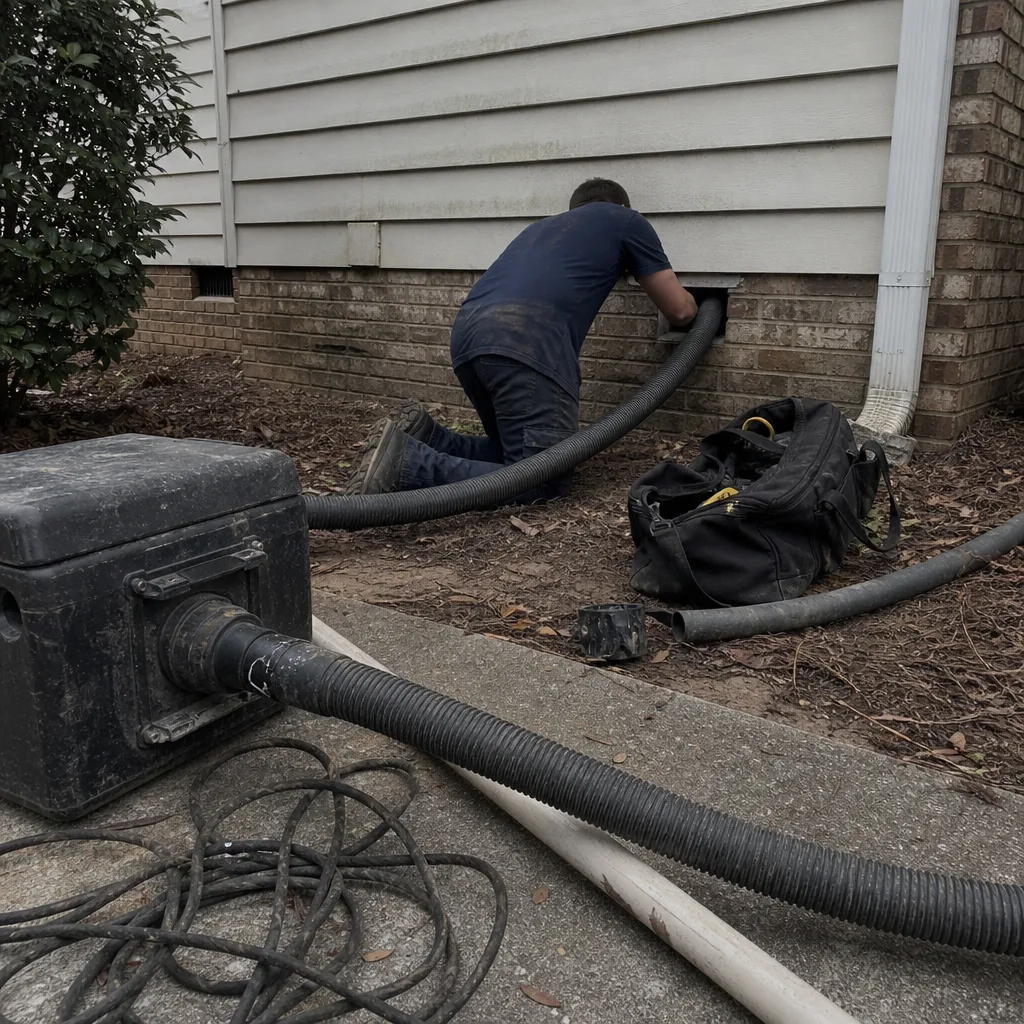 Before
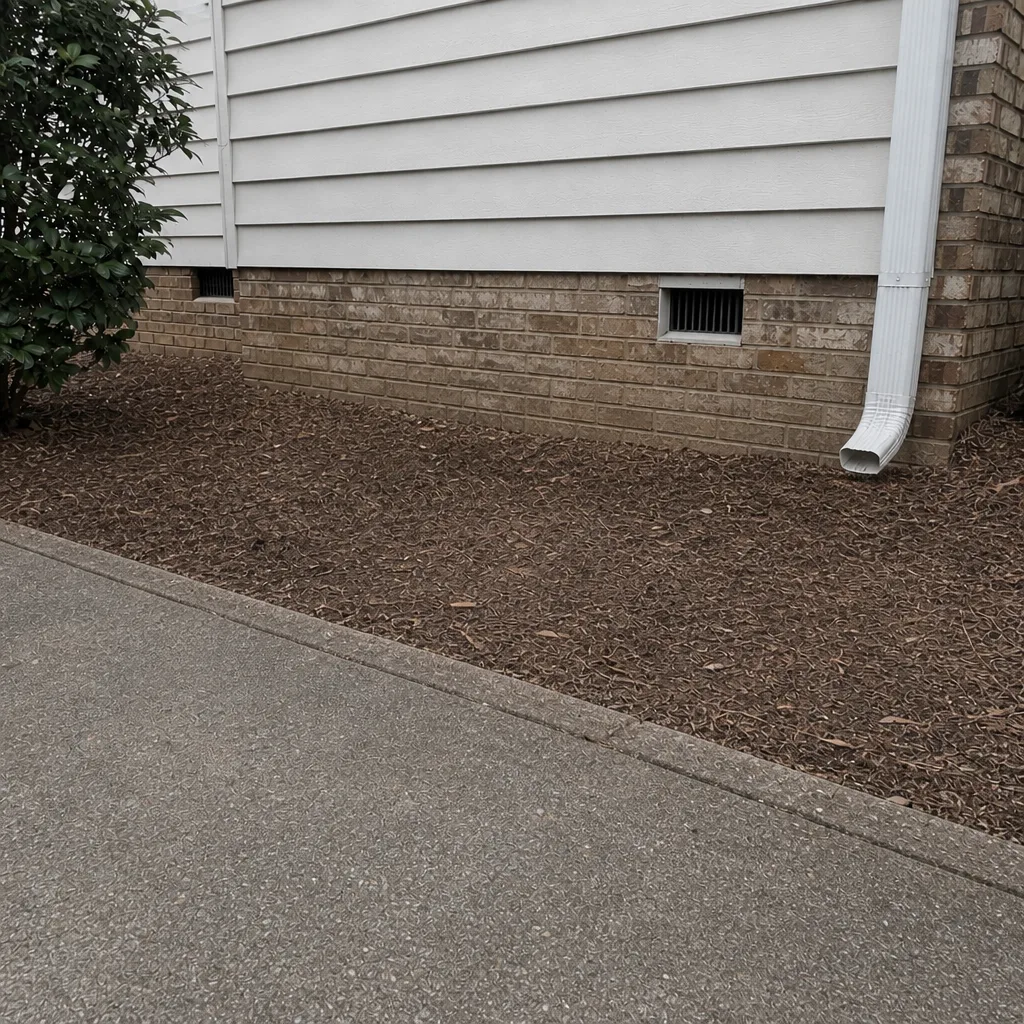 After
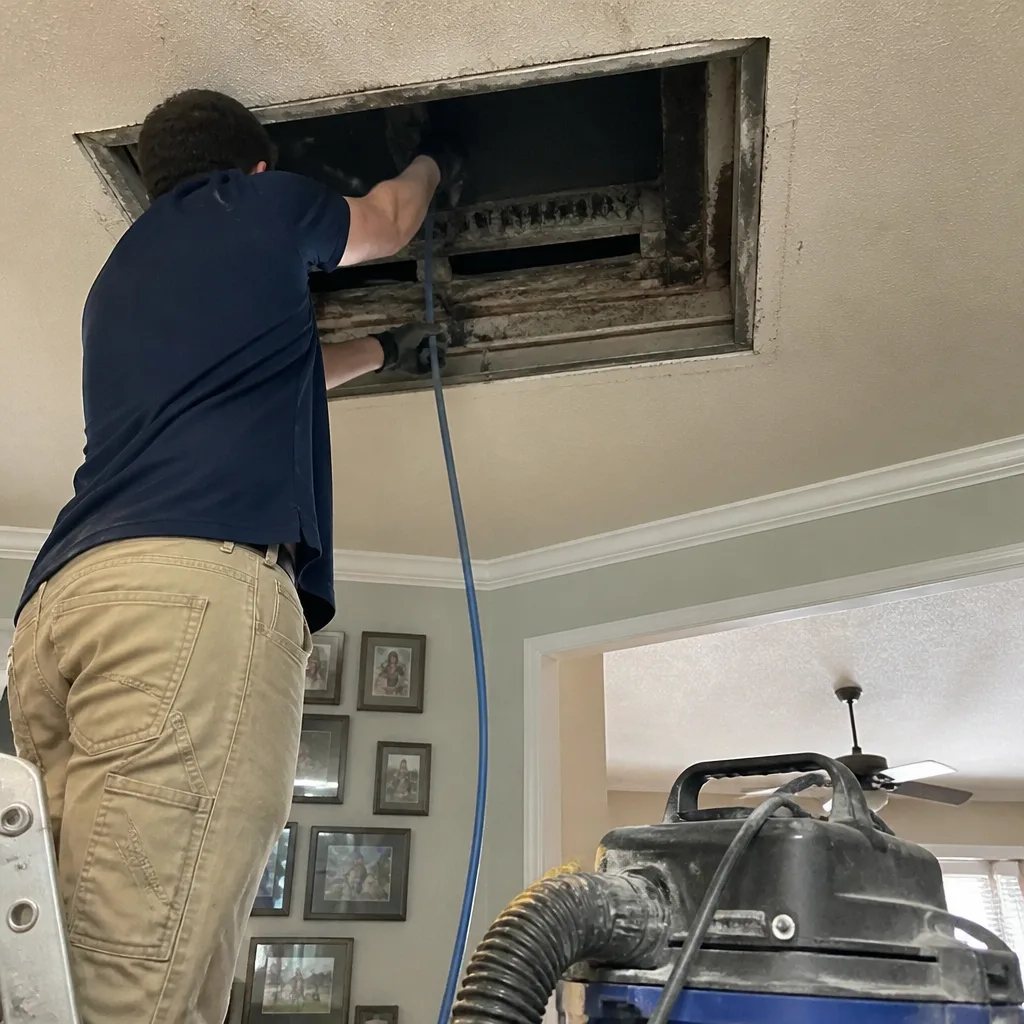 Before
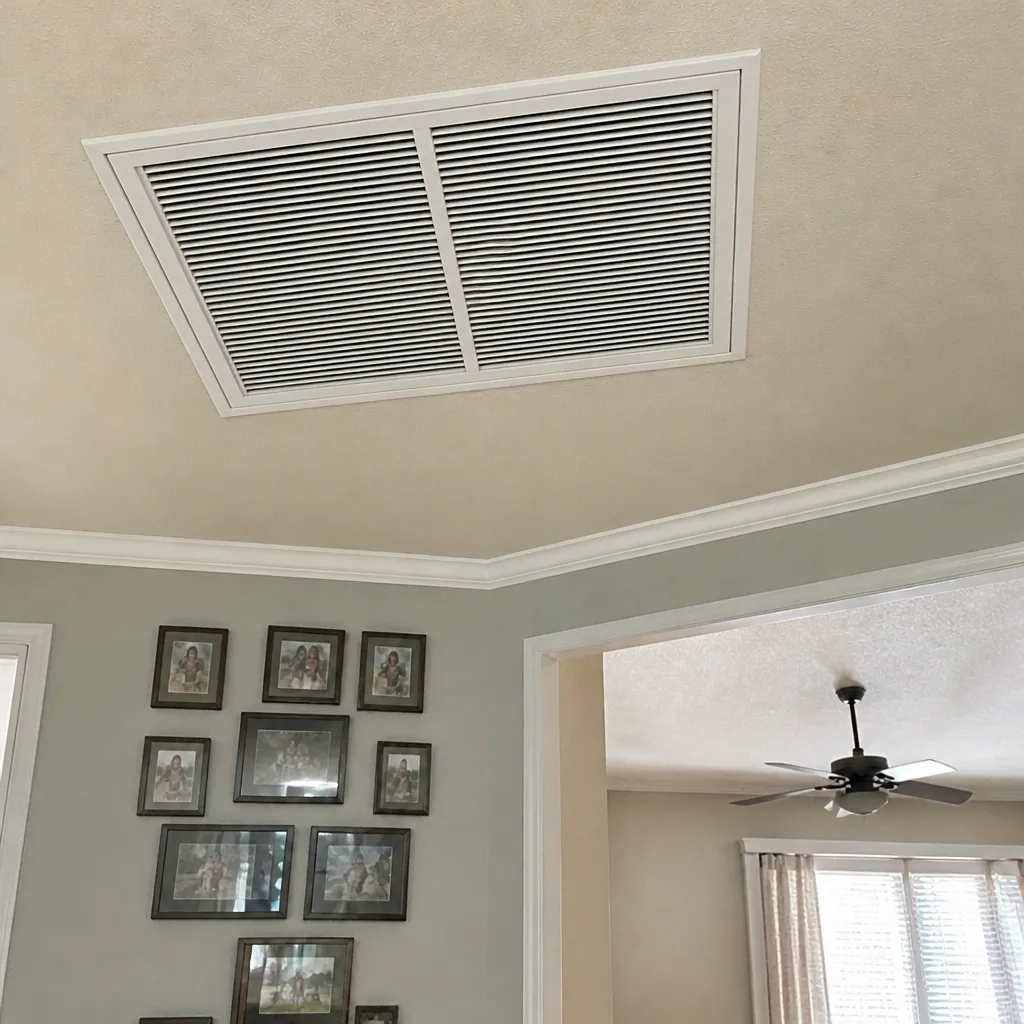 After
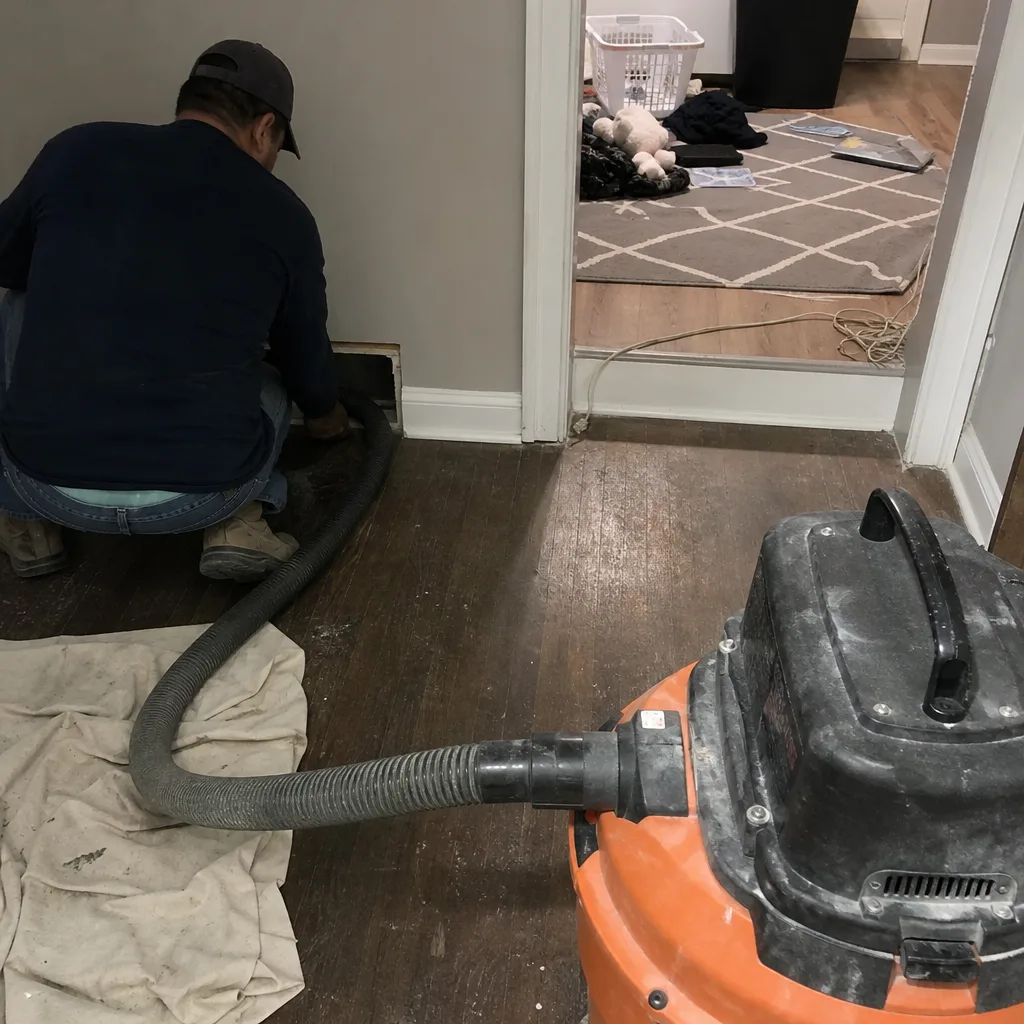 Before
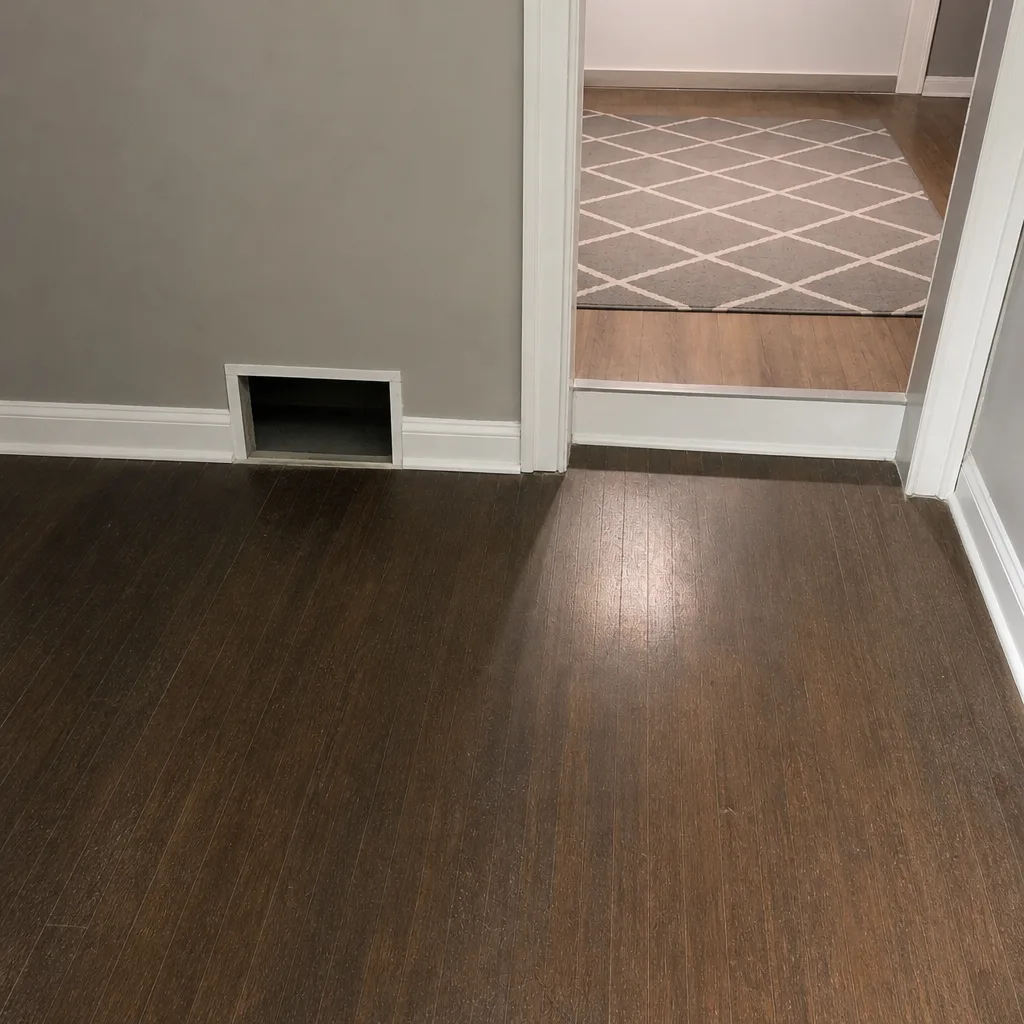 After
When to Call a Professional
Call a professional when the signs point to a system problem, not just surface dust. Visible buildup around registers or soft debris on the inside of the supply vents. Dust returning faster than usual after cleaning. Musty odors when the system runs. Cold air leaking from ductwork into the attic or crawlspace. Drying times that keep climbing, or an exterior dryer vent that no longer flaps. New construction or a recent renovation, when drywall dust and construction debris have worked into the system. Recurring condensation on duct runs in a humid crawlspace. If any of these describe your situation, an inspection will tell you the scope before you commit to a price.
Hartwell Air Duct Cleaning offers free estimates in Columbia. Call (866) 942-9804. We answer 24/7, with fast dispatch from 7am to 7pm, Sunday through Friday.
Frequently Asked Questions
It’s priced per system, not per vent, after an on-site inspection establishes the scope. Whole-system cleaning, dryer vent cleaning, and any needed duct repair are each quoted separately in a written estimate, and the written estimate sets the final price. Call (866) 942-9804 for an exact quote; estimates are free.
Cheap quotes usually reflect a scope that skips the parts of the job that cost money: negative pressure, contact agitation tools, containment, return-side cleaning, and any repair. A low coupon figure can become a much larger invoice once the technician is on site, and the cleaning is often a register-level vacuum that doesn’t meet the source-removal standard. One flat price per system, agreed in writing before work starts, is the way to avoid the trap.
Ask for before-and-after photos of your own ducts, not just the registers or the floor around them. A crew that documents the interior with photos before and after can prove the cleaning happened. If photos can’t be produced, you don’t have a way to verify the work.
It depends on the system and the home. In Columbia’s humid climate, homes with crawlspace ducts, older flex runs, or leaks tend to need attention more often than newer sealed systems. The general guideline is to inspect periodically and clean when the inspection documents buildup, not on a fixed schedule that ignores the condition of your ducts.
Yes. Cleaning restores the surface of the duct; leaks, missing insulation, disconnected runs, and oversized HVAC systems push new debris and moisture back into the system. In our experience those conditions bring buildup back within 12 to 18 months. Cleaning and repair need to happen together to get lasting results.
Yes. Both are part of the same air pathway and can be quoted together, with each service priced on its own in the written estimate. The dryer vent is addressed as a dedicated service, not as an add-on to the duct cleaning. Call (866) 942-9804 to set up an estimate for both.
The Bottom Line
Air duct cleaning in Columbia is about diagnosing a system, not vacuuming a surface. The humidity here bonds debris to duct walls, which means the work requires contact agitation under negative pressure, professional-grade equipment, and an inspection that documents what’s actually in the ducts before anything gets touched. Repair belongs in the same conversation as cleaning, because leaks, disconnected runs, and missing insulation are what bring buildup back within 12 to 18 months. Skip the register-level vacuum and the coupon pricing. Get a written estimate, a flat price per system, and before-and-after photos of your own ducts. From there, the results hold.
Ready for a proper inspection? Call (866) 942-9804 for a free estimate in Columbia. We answer 24/7. Fast dispatch from 7am to 7pm, Sunday through Friday. Learn more about what we do at Hartwell Air Duct Cleaning.
Written by the team at Hartwell Air Duct Cleaning.