
Last updated November 15, 2026
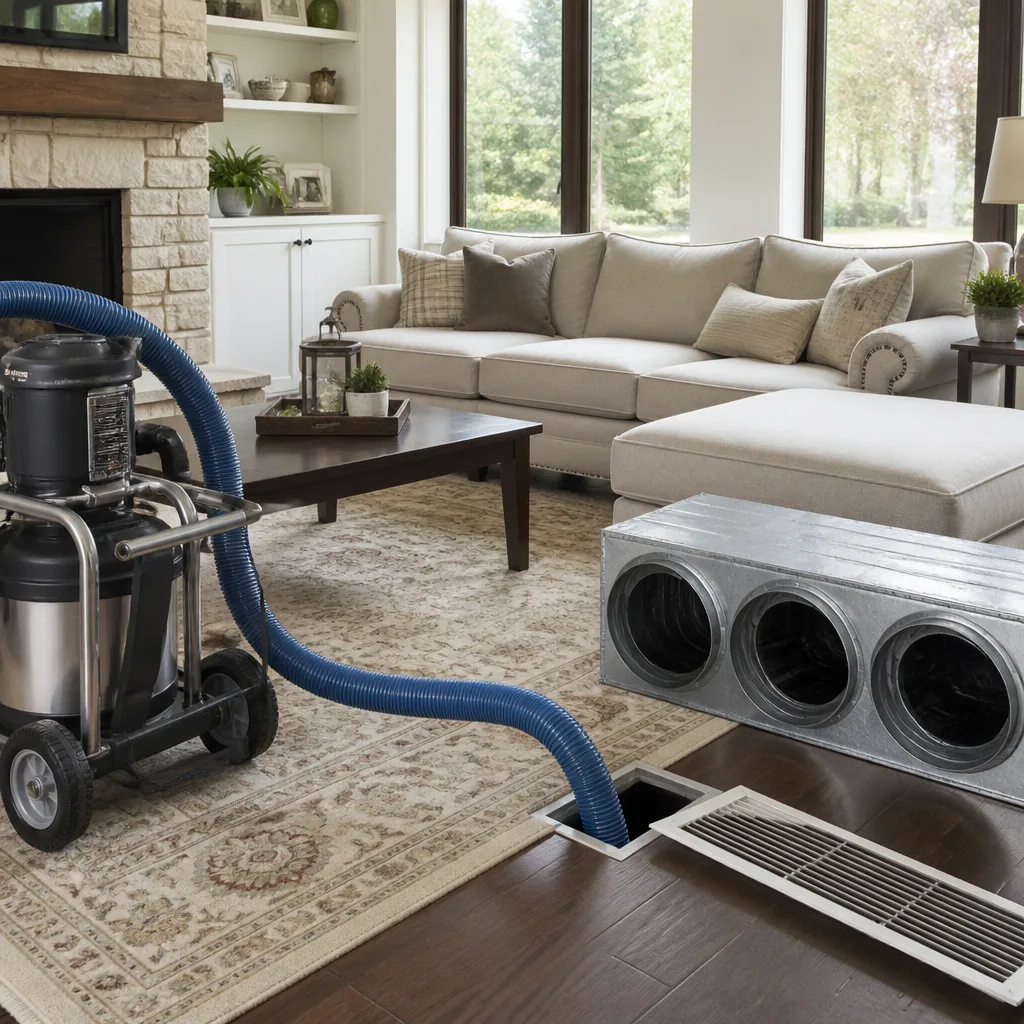 Whole-home duct cleaning
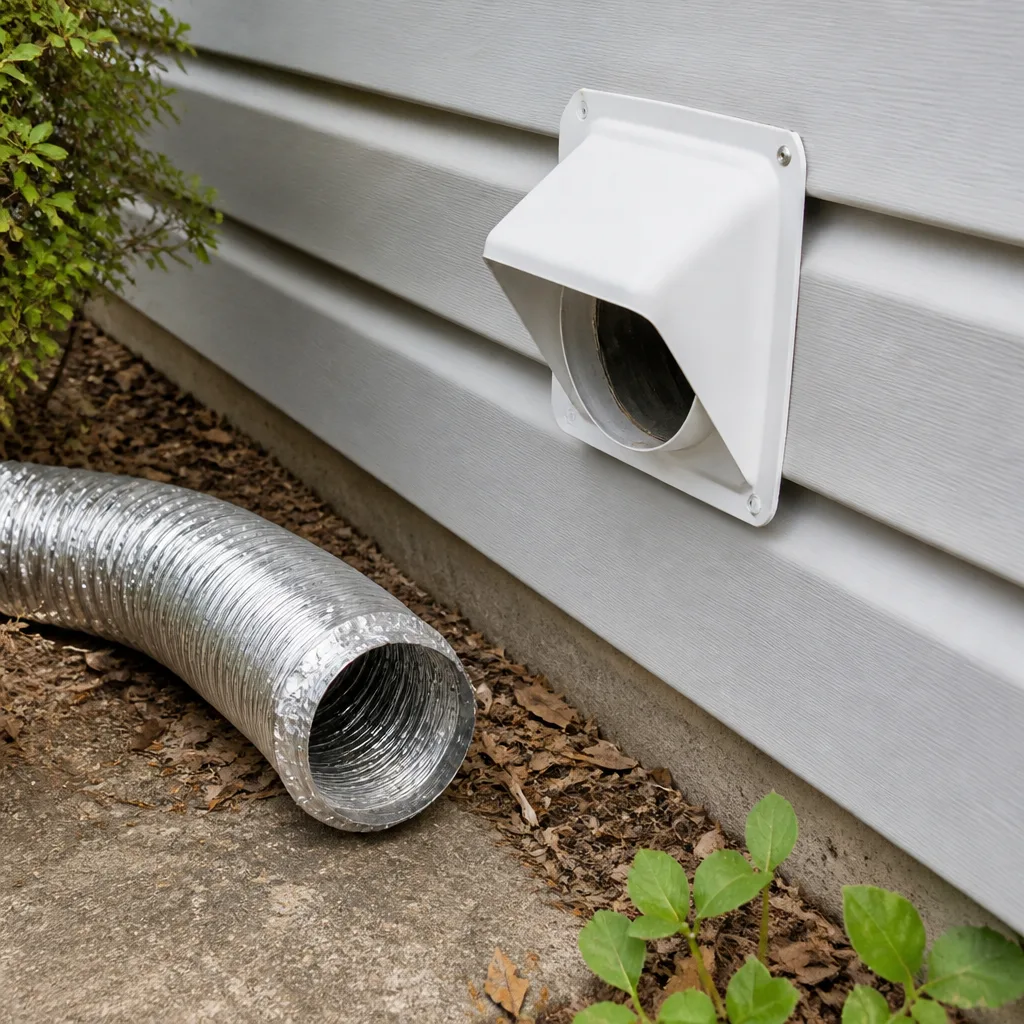 Dryer vent cleaning
 Camera inspection
 Sanitizing & deodorizing
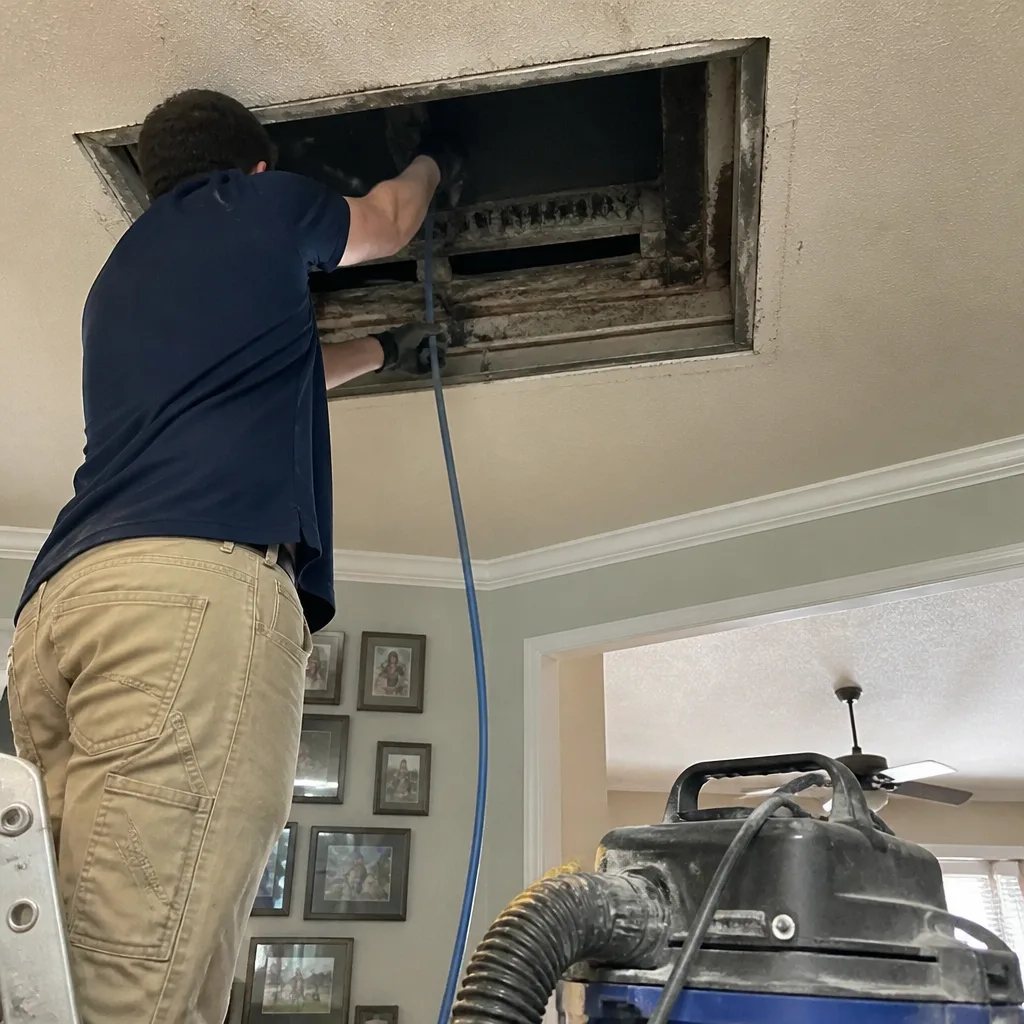
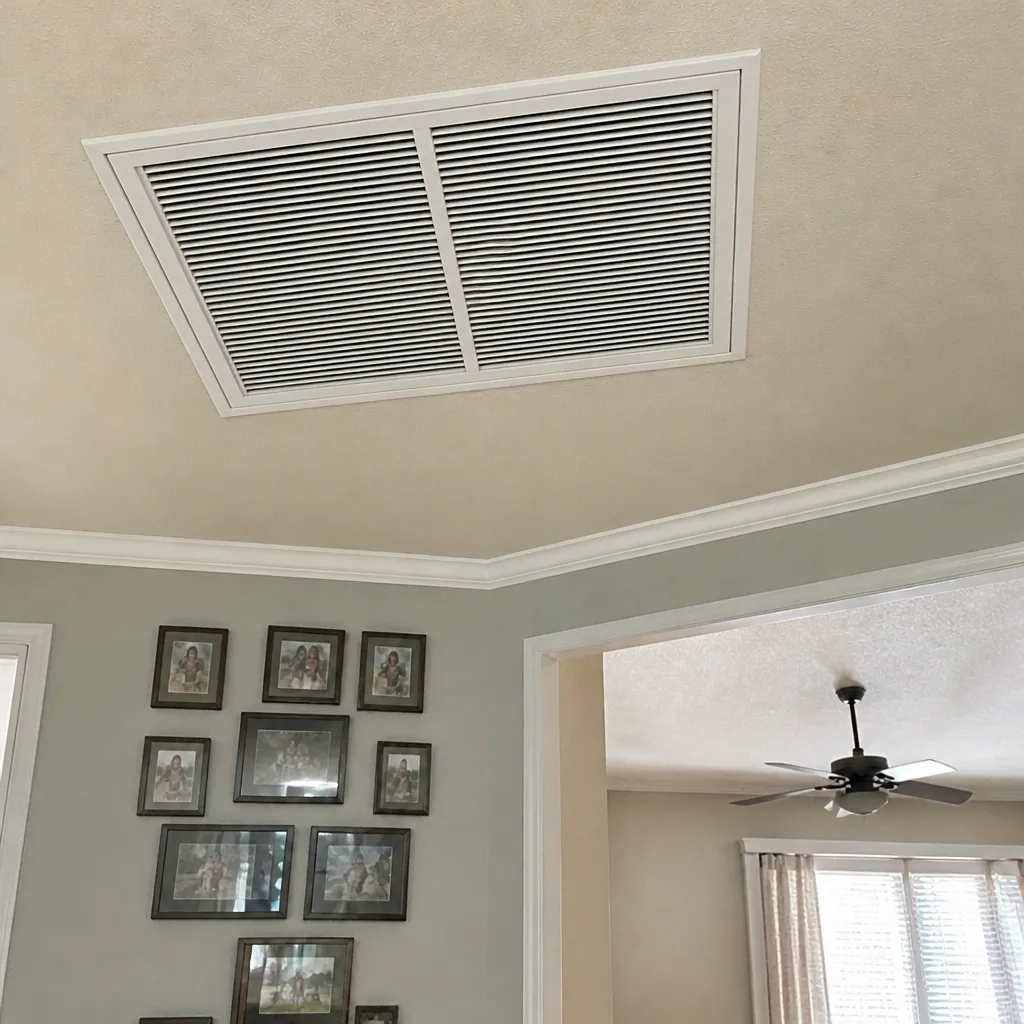
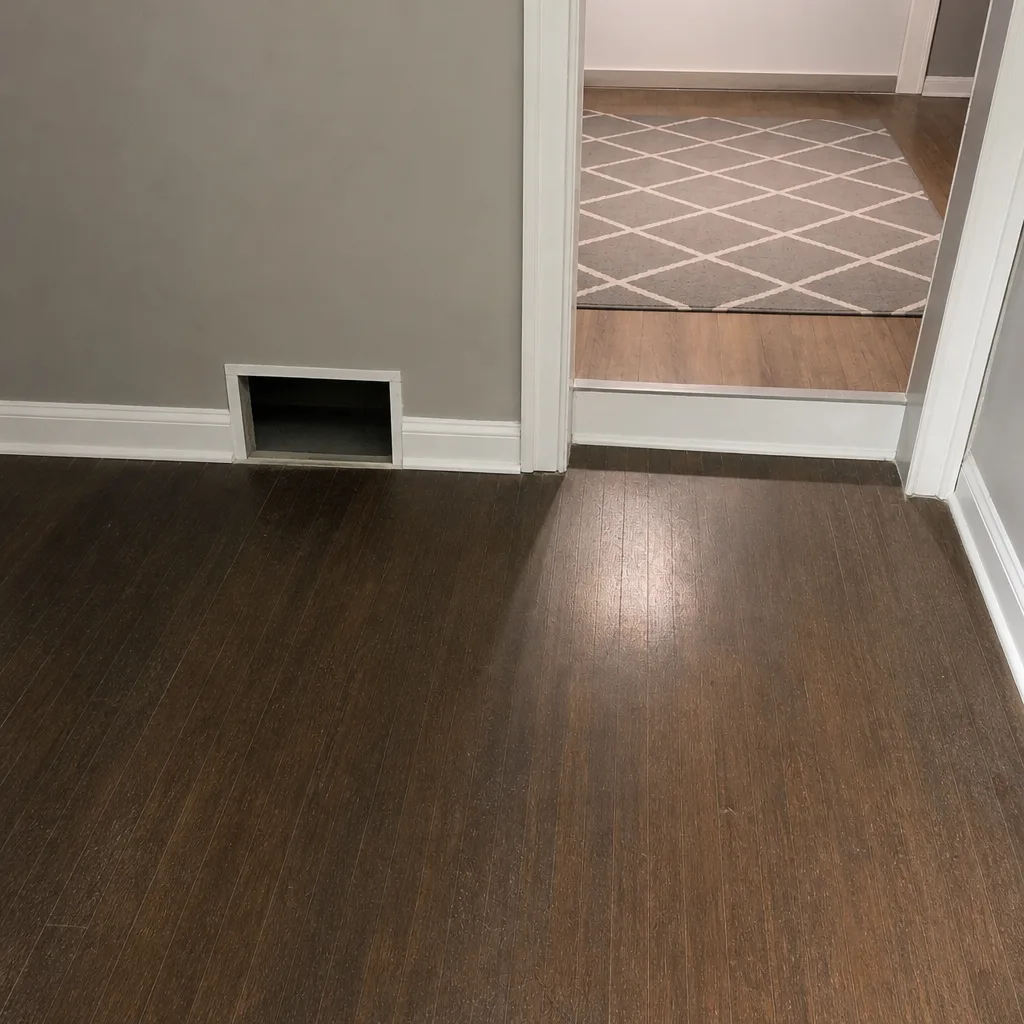
Whole-system duct and dryer vent check with before-and-after photos - you see exactly what came out of your vents
That "$99 whole-house special" is a bait ad - the real number appears once they are in your hallway, or the "clean" is a shop-vac at the register. We photograph the inside of your ducts before and after instead.
Air Duct Cleaning Troubleshooting in Columbia: Common Problems and How to Fix Them
If a technician shows up to clean your ducts without first checking static pressure or inspecting your plenum, they’ve already skipped the step that tells them whether cleaning will fix anything at all. That sounds like a small thing. It isn’t. The symptoms most Columbia homeowners call about – weak airflow, musty smells, hot and cold rooms – each have three or four different mechanical causes, and dirty ducts are only one of them. Cleaning a system that’s actually leaking, collapsed, or undersized makes it cleaner and no more comfortable. This guide teaches you to read the symptom before you pick up the phone, so the crew you call does the right job on the first visit.
Quick Answer
Most air duct problems in Columbia come down to four causes: accumulated debris, a leak or failed seal, a collapsed or disconnected duct run, or an equipment problem at the air handler itself. Cleaning fixes the first. Repair and sealing fix the second and third. The fourth needs an HVAC technician, not a duct crew. The troubleshooting skill that matters is matching your symptom to the right cause before any work begins.
Styles & brands we work with
- Whole-home duct cleaning
- Dryer vent cleaning
- Camera inspection
- Sanitizing & deodorizing
Table of Contents
- Match Your Symptom to the Right Cause
- What a Real Diagnostic Looks Like Before Cleaning
- Dirty Duct vs. Collapsed Flex Duct vs. Undersized Duct
- What Musty Smells Actually Tell You
- Filter Bypass and Return-Side Leaks
- Why Static Pressure Is the Number That Matters
- When to Call for Cleaning, Repair, or an HVAC Tech
- Columbia-Specific Duct Problems
Match Your Symptom to the Right Cause
Airflow and air quality complaints cluster into a predictable set of symptoms, and each one points toward a different fix. Treat this as your starting map. If a symptom matches two causes at once, that’s normal – most homes have more than one thing going on, which is exactly why a diagnostic visit matters more than a same-day vacuum run.
- Weak airflow from every vent in the house. Usually a blower, filter, or main trunk restriction – not dirty branch ducts. Cleaning individual runs won’t help if the whole system is starved upstream.
- Weak airflow in one room only. Usually that branch: a crushed flex run, a disconnected boot, or a closed or failed damper. This is a repair job, not a cleaning job.
- Dust settling fast after you clean. Often a return-side leak pulling attic or crawlspace air into the system, or filter bypass letting air slip past the filter frame.
- Musty or earthy smell. Condensation, microbial growth, or debris sitting wet somewhere in the pathway. Sometimes a dead animal in a run. Each needs a different response.
- Hot and cold rooms side by side. A mix of duct leakage, undersized runs, and balancing problems. Cleaning alone rarely fixes this.
- Higher energy bills with no equipment change. Leaky ducts dumping conditioned air into a hot attic or crawlspace. Sealing and repair matter far more than cleaning here.
If you can map your complaint to one line on that list, you already know more than most callers do. That’s the point. A crew that hears “weak airflow in the back bedroom” and quotes a whole-house cleaning has skipped the diagnostic step. The right question back is: is the whole house weak, or just that room?
What a Real Diagnostic Looks Like Before Cleaning
Before anyone connects a vacuum, a proper diagnostic checks whether cleaning will actually move the needle. In our experience, that’s the difference between a system that performs better afterward and a system that’s simply been vacuumed. Here’s what the sequence looks like.
- Measure static pressure at the air handler. This tells you how hard the blower is working and whether the system is restricted. High static pressure with clean ducts means the restriction is elsewhere – filter, coil, or undersized trunk.
- Inspect the plenum and the return-side connections. The plenum is where the ductwork meets the equipment. Loose seams and tape failures here are common and cheap to fix, and they’re often the real source of dust and energy waste.
- Check the filter fit and the filter housing. A filter that doesn’t seal lets air bypass it entirely. That’s filter bypass, and it’s one of the most overlooked causes of a system that never seems to stay clean.
- Walk the accessible runs. Flex duct crushed against a joist, disconnected at a boot, or sagging between hangers shows up visually. You don’t find that with a vacuum hose.
- Confirm airflow at the far vents. The feeling of airflow at the last register on a run tells you whether the issue is upstream or down.
- Ask about the smell and where it’s strongest. Return-side versus supply-side smells point in different directions.
Only after those checks does cleaning make sense to schedule – and only on the runs that actually need it. If a plenum inspection or a static pressure reading isn’t part of the conversation, the technician is doing a cleaning, not a diagnosis. To understand what professional equipment actually looks like, our page on air duct cleaning explains the contact-cleaning and negative-pressure approach.
Dirty Duct vs. Collapsed Flex Duct vs. Undersized Duct
Three different problems, three different fixes, and homeowners confuse them constantly. Here’s how to tell them apart using two cheap tools you already own: your hand and a thermometer.
Dirty duct
Debris coats the interior but the run is intact and open. Airflow is reduced gradually, dust settles at the registers, and rooms still heat or cool, just less well. Cleaning is the fix. This is the only one of the three that a vacuum will solve.
Collapsed or disconnected flex duct
Flex duct is a plastic-wrapped coil, and it fails in a few predictable ways: crushed under plywood in the attic, run over a sharp joist, ripped at the boot, or pulled loose from the collar. The tell is a sharp difference in airflow between the vent nearest the air handler and the furthest one, and one room that’s noticeably warmer in summer or colder in winter than the rest. Cleaning a collapsed run does nothing – the duct can’t carry air even when it’s clean. Repair means replacing the run or reconnecting it, and it’s worth knowing that Hartwell Air Duct Cleaning handles repair in-house so you’re not coordinating a second contractor.
Undersized duct
The run was sized smaller than the room needs from the start. That’s a design problem, and cleaning won’t fix it either. The signals are consistent underperformance in that room across seasons, no obvious physical damage, and airflow that’s weak but steady. Undersized runs usually need a bigger conversation with an HVAC contractor about equipment or balancing, not duct cleaning.
A quick field test: hold a tissue at the register. If it flutters weakly on the far run and strongly on the near one, you’re likely looking at a collapsed, disconnected, or undersized branch – not dirt. Dirt reduces airflow everywhere it sits; a failed run kills it in one place.
What Musty Smells Actually Tell You
Musty smells get lumped together, but they come from three very different sources, and each needs its own response. Matching the smell to the source matters more than any cleaner you might be tempted to spray into a vent.
Condensation and microbial growth
In a humid climate like Columbia’s, condensation on cold duct surfaces, a wet drain pan, or a damp air handler cabinet can grow microbial film. The tell: a musty, earthy smell strongest near the return or the air handler, and worse on humid days. The fix is source removal plus fixing whatever’s staying wet – usually the drain or a leaking connection. Cleaning a wet system without addressing the moisture just lets it come back.
Debris accumulation
Dust, pet hair, and building material debris packed into a return or a low spot can smell stale and musty over time. This is the plain cleaning case, and it clears with thorough contact cleaning and negative pressure containment.
Dead animal in a run
A sharper, more rotten smell that shows up suddenly and stays concentrated in one area is often an animal that got into the attic or into a run itself. This isn’t a cleaning problem in the usual sense – it’s a removal job, and if there’s a break in the duct that let the animal in, that’s a repair job too. Cleaning over it without fixing the opening invites the same problem back.
One thing worth saying plainly: don’t try to chase a musty smell by fogging the system with a household product. You’ll mask the source, not remove it, and a trained technician needs to find where the moisture or debris actually lives. That’s why the smell is a symptom, and the diagnostic is the answer.
Filter Bypass and Return-Side Leaks
This is where a lot of “cleaned the ducts and it’s still dusty” stories come from. If the filter doesn’t seal in its frame, air goes around it, and the entire return side becomes an unfiltered path. That’s filter bypass. The symptom is easy to spot: dust settling quickly after a cleaning, a dirty blower wheel, and a filter that looks oddly clean given how dusty the house is.
Return-side leaks cause the same outcome. In Columbia, returns often run through attics and crawlspaces, and a loose seam or a disconnected boot there pulls unconditioned, dusty air straight into the system. The ducts get cleaned, and within weeks they’re pulling the same bypass air again. Sealing the return side and fitting the filter correctly is the fix, and it’s usually cheap compared to the cleaning itself.
- Check the filter frame for gaps – hold it up to a light and look for daylight around the edges.
- Look for sagging flex runs in the attic; sag is where disconnected collars hide.
- Feel for air movement around the air handler cabinet seams with the system running.
- Ask the crew whether they’ll check the return side before they clean it.
If your system uses a leading air-quality filter housing, brand familiarity matters when it comes to getting the fit right. We work within the ecosystems of Honeywell and Aprilaire air-quality systems precisely because the ducts are only as good as the equipment they feed. If the return side keeps pulling unfiltered air, no cleaning will hold.
Why Static Pressure Is the Number That Matters
Static pressure is the resistance the blower is pushing against. If it’s high, the system is working harder than it should and airflow is down – regardless of how clean the ducts look. This is the single most useful measurement in duct troubleshooting, and it’s the first thing to ask about.
Here’s what makes it valuable. High static pressure can come from a dirty coil, a restrictive filter, an undersized trunk, or crushed ductwork. Cleaning fixes only the dirt-related piece. If the pressure is high because the return is undersized or the filter is too restrictive, cleaning every branch in the house won’t bring airflow back to where it should be. That single reading redirects the entire job.
This is also why a proper diagnostic comes before the vacuum – and why it’s worth asking a prospective crew how they’ll check static pressure at the air handler. If the answer is anything other than “with a gauge,” you’re talking to a cleaner, not a diagnostician. For Columbia’s climate, where summer humidity puts real load on the equipment, understanding static pressure is what tells you whether the system is restricted or just needs a cleaning.
When to Call for Cleaning, Repair, or an HVAC Tech
This is the decision tree most homeowners actually need. Each branch is a different call, and mixing them up is how people end up spending money on the wrong fix.
Call for cleaning when:
- Airflow is uniformly reduced across the house and the system is older or has been through renovation.
- Dust settles quickly at the registers even after a recent cleanup.
- There’s visible debris at the return grilles or a stale smell with no obvious leak or break.
- You’ve had a renovation, and debris likely entered the runs during construction.
Call for repair when:
- One room is consistently weak or hot or cold while the rest is fine.
- You can see crushed, sagging, or disconnected flex runs.
- There’s a smell concentrated near a break in the duct, or you suspect an animal got in.
- Air is moving around the air handler cabinet from loose seams.
Call an HVAC technician when:
- The blower is failing, noisy, or not running.
- The system short-cycles or won’t keep up in summer.
- The condenser or coil is the restriction – that’s refrigeration or coil work, not duct work.
The clean-and-repair call is the one most duct companies can’t make in a single visit. Most will clean and refer the rest out. That’s why the repair capability matters: dryer vent cleaning and duct work share the same tools and the same discipline, and a crew set up for one is set up for the other. One call covers what is dirty and what is broken.
Columbia-Specific Duct Problems
Columbia’s climate creates its own pattern of duct trouble, and it shapes the diagnostic. The summers here are humid and hot enough that condensation on duct surfaces is a real factor – especially where flex runs cross a hot attic and a cold coil changes temperature fast. That’s why Columbia crawlspaces and attics show up so often in the smell and leak conversations.
Homes across the region, from older neighborhoods like Shandon and Rosewood to newer builds in the northeast and out toward Lexington, tend to show a similar pattern: return-side leaks in the attic or crawlspace, filter housings that don’t seal tight, and flex runs that were installed fast and failed at the collar. In the neighborhoods with older homes, the runs have had more time to sag and separate. In the newer neighborhoods, the failure mode is more often a sloppy filter fit or a return that pulls hot attic air.
If you’re a homeowner or property manager in Columbia, the practical takeaway is the same: the climate here makes return-side and moisture problems more common than in drier regions, so a diagnostic that checks the plenum, the filter fit, and the return side before cleaning is worth insisting on. That’s how we approach every home here, using Rotobrush and Nikro equipment to handle the cleaning while the diagnostic tells us what to clean.
Common Mistakes to Avoid
- Booking a cleaning before anyone checks static pressure. Cleaning a restricted system without knowing why it’s restricted just hides the problem. Ask what diagnostic comes before the vacuum.
- Treating one weak room as a whole-house problem. If only one room is off, the fix is nearly always that run – a collapsed, disconnected, or undersized duct. Cleaning the whole house won’t help that room.
- Ignoring the filter fit. A filter that doesn’t seal lets air bypass it entirely. In Columbia’s humid climate, that unfiltered air also introduces moisture, which feeds the smell problem you were trying to fix.
- Assuming a musty smell means one thing. Condensation, debris, and an animal in a run are three different problems. Cleaning without finding the source makes the smell come back.
- Calling a duct crew for a failing blower. If the air handler is short-cycling or noisy, that’s an HVAC job. Cleaning won’t fix an equipment problem.
- Choosing the cheapest coupon over a diagnostic. A low quote almost always means a cleaning without the checks that determine whether cleaning is the right job at all.
- Skipping the repair when the duct is broken. A disconnected run doesn’t get better with cleaning. Repair is the fix, and it’s a separate service from the vacuum.
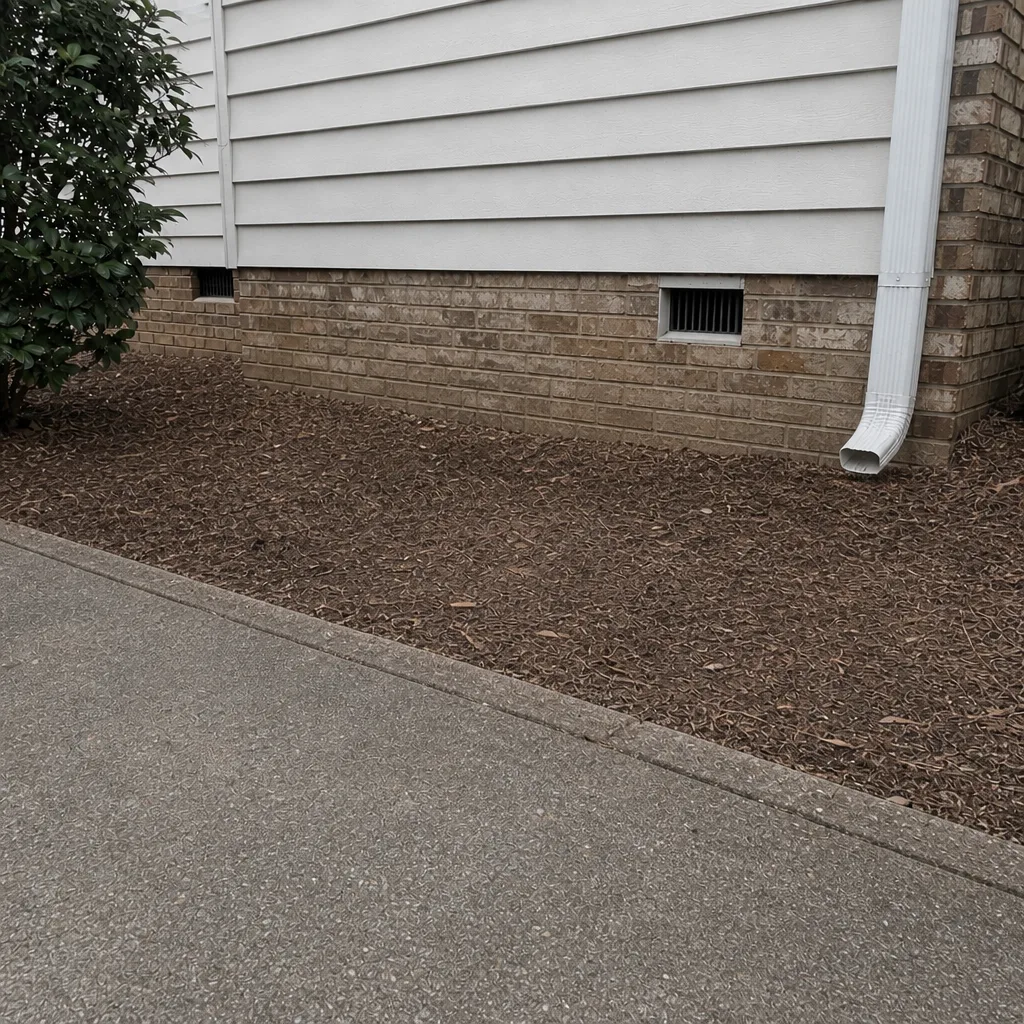
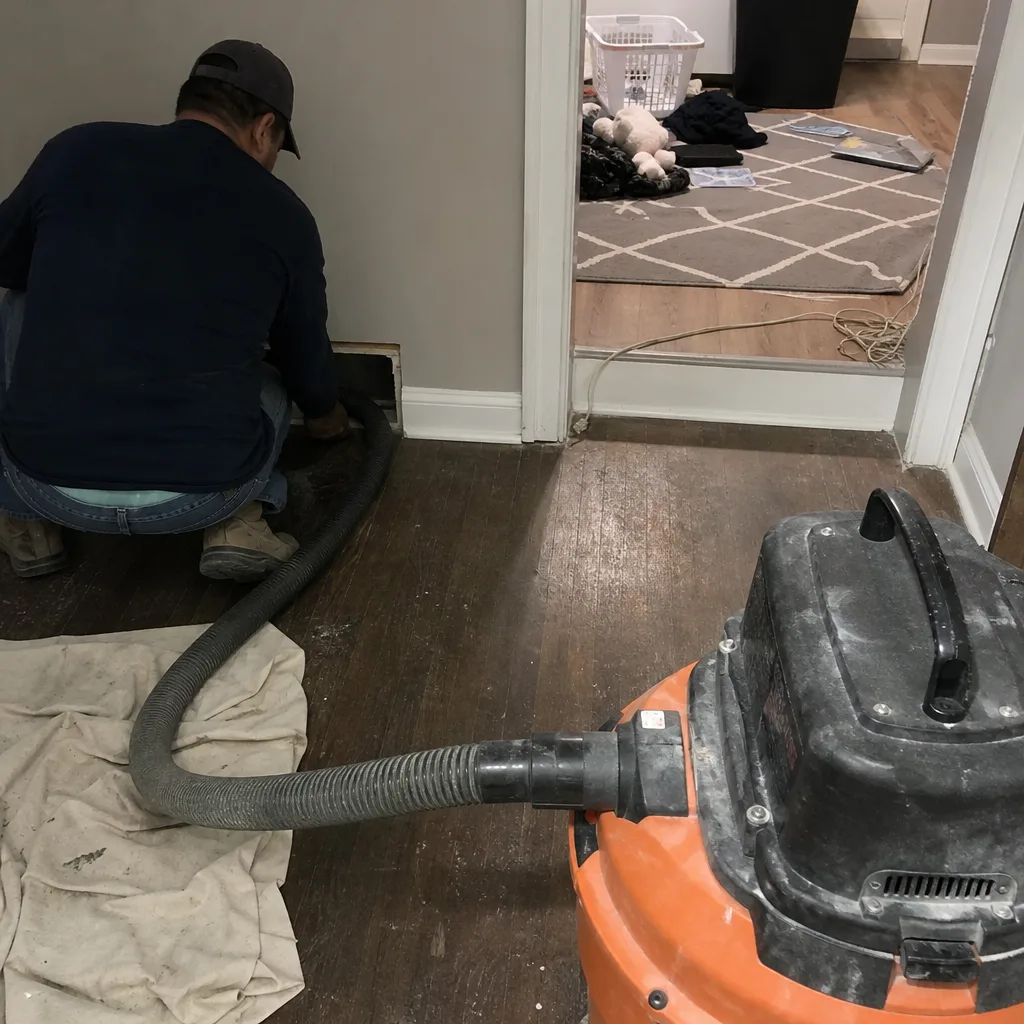
See the difference
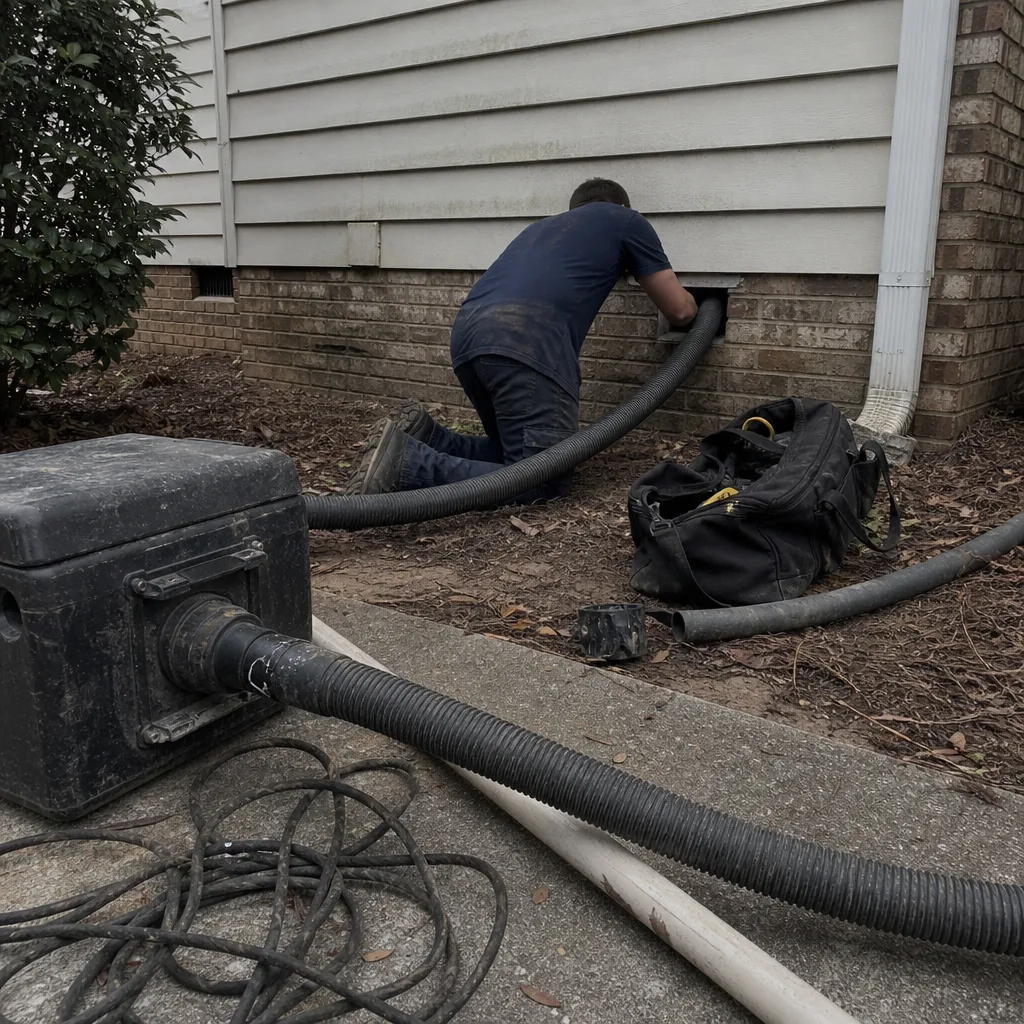 Before
 After
 Before
 After
 Before
 After
When to Call a Professional
Call a professional when a symptom points to a cause you can’t confirm from the outside. Persistent weak airflow in one room, a musty smell that comes back after cleaning, dust settling fast after a recent cleanup, or a system that’s running harder than it should all point to something a diagnostic can pin down. If you’ve tried a filter change and it didn’t help, that’s a good time to have someone check the return side and the static pressure.
Hartwell Air Duct Cleaning offers free estimates in Columbia – call (866) 942-9804 for a free estimate. We answer 24/7. Fast dispatch from 7am to 7pm, Sunday through Friday. We handle cleaning and repair, so if the diagnostic turns up a collapsed run, we can fix it without bringing in a second contractor.
Frequently Asked Questions
The quickest test is to compare airflow across vents. If every vent in the house is weak, the cause is usually upstream – a filter, a coil, or a blower restriction – and cleaning the branches won’t fix it. If airflow is weak in one room only, the cause is usually that branch, and it’s a repair job. A diagnostic visit confirms which. Call (866) 942-9804 for an exact quote – estimates are free.
Cleaning fixes airflow only when dirt is the actual restriction. If the system has a collapsed flex run, an undersized branch, a dirty coil, or a filter bypass, cleaning alone will leave the performance problem in place. The static pressure reading and plenum inspection tell you which it is before any work begins.
It usually means one of three things: condensation growing microbial film on a cold surface, debris sitting wet somewhere in the pathway, or an animal that got into a run. Each needs a different response. Cleaning without finding the source lets the smell return. A diagnostic that checks the return side and the plenum is the starting point.
Yes, and that’s the advantage of working with a crew that does both. Collapsed runs, disconnected collars, and failed seams are repaired and sealed as part of the same visit, so you’re not cleaning a system and then coordinating a separate contractor to make it functional. We clean it and we fix it.
Cheap quotes usually skip the diagnostic that determines whether cleaning is the right job. A low number buys a vacuum run without a static pressure check, plenum inspection, or return-side review. What you want is a crew that can tell you what’s wrong before they clean. Call (866) 942-9804 for an exact quote – estimates are free.
The honest answer is that it depends on the system, not on a calendar. Homes near new construction, homes with pets, and homes with a filter bypass tend to need it sooner than a tightly sealed system with a properly fitted filter. The diagnostic tells you the right interval. Don’t let a schedule – or a coupon – decide it for you.
The Bottom Line
Air duct problems in Columbia fall into four buckets: debris, leaks and failed seals, collapsed or undersized runs, and equipment issues. Cleaning only fixes the first. The other three need repair, sealing, or an HVAC technician. The skill that matters is reading your symptom correctly before anyone shows up – whole-house airflow issues point upstream, single-room problems point to that run, musty smells point to moisture or a source that needs finding, and dust that comes back fast points to filter bypass or a return-side leak. That’s the diagnostic that tells you what to call for, and it’s the first step before any cleaning begins. Call (866) 942-9804. We answer 24/7. Fast dispatch from 7am to 7pm, Sunday through Friday.
Written by the team at Hartwell Air Duct Cleaning.